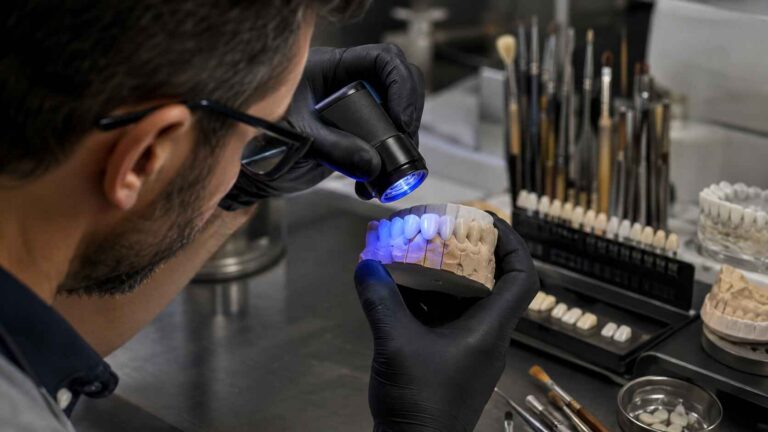
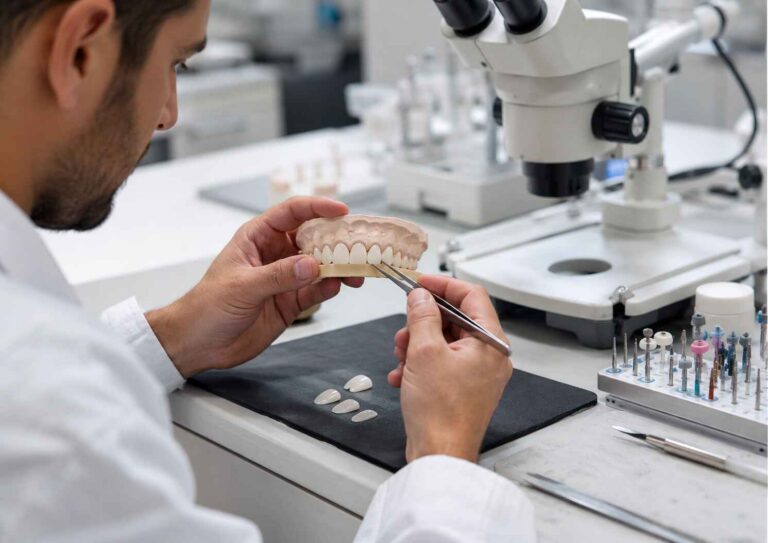
للمختبرات السنية والعيادات والموزعين وفرق التوريد التي تقارن بين تيجان الزركونيا وتيجان ثاني أكسيد الليثيوم والقشور وخدمات التصنيع حسب الطلب (OEM) أو طلبات الترميم بالجملة.
يرجى إطلاعنا على نوع المنتج، والمواد المستخدمة، وحجم المبيعات الشهري، وبلد المقصد، وطلب العينات، حتى يتمكن فريق المبيعات لدينا من تحديد الخطوة التالية المناسبة.
ما هي القيمة التي تجلبها قشرة E.max Veneers ذات الطبقات إلى عمليات تجميل الابتسامة المتميزة؟
ثلاث كلمات أولاً.
تجلب قشور E.max ذات الطبقات قيمة حقيقية فقط عندما تشتري قشرة E.max ذات الطبقات قيمة حقيقية فقط عندما يشتري صاحب الابتسامة المتميزة تحسينًا بصريًا مرئيًا بدلاً من مجرد شراء فاتورة أجمل، لأن تراكم البورسلين الإضافي على قلب الليثيوم-ديسيليكات يمكن أن يخلق شفافية قواطع أفضل، وهالة وملمس وعمق أفضل في المنطقة الأمامية، مع تقديم المزيد من الحساسية التقنية والمزيد من عبء التواصل ومجال أكبر لانحراف الظل إذا لم تتم إدارة الحالة بإحكام. هل هذه العلاوة مبررة دائمًا؟
تبدو درجة الصوت الممتازة أفضل من الحيوية
ليس لدي أي مصلحة في التظاهر بأن كل علبة قشرة باهظة الثمن تحتاج إلى طبقات.
من خلال تجربتي، يحب السوق بيع كلمة “متميزة” كما لو كانت فئة من المواد، ولكن لا تزال عمليات تجميل الابتسامة المتميزة محكومة بمساحة التحضير، والحفاظ على المينا، وظل الجذع، والحمل الإطباقي، واختيار الأسمنت، وما إذا كان الفريق قادرًا على توصيل ما يريده السيراميك بالفعل، ولهذا السبب أهتم أكثر بانضباط سير العمل أكثر من لغة الكتيب. هل تريد النسخة الصريحة؟
طبقات E.max ليست سحرية.
ما تشتريه هو التحكم البصري. إن خيار قشرة E.max الممتازة ذات الطبقات الممتازة في مختبر الفنان لطب الأسنان حول “العمق والحيوية والتأثيرات القاطعة المحسنة” لتجميل الابتسامة الأمامية الراقية، بينما سير عمل قشرة E.max المتوازنة يتم وضعه كطريق الليثيوم ثنائي سيليكات الليثيوم اليومي و صفحة قشرة E.max الكاملة يتمحور حول الملاءمة المتوقعة والتناسق متعدد الوحدات، حيث تخبرني بنية الموقع أن العلامة التجارية نفسها تدرك أن هذه هي فئات مخاطر مختلفة، وليس فقط فئات أسعار مختلفة. وإلا لماذا تفصل بينهما بهذا الوضوح؟
والتوقيت مهم.
ذكرت وكالة رويترز في 4 فبراير 2026 أن الطلب على عمليات تجميل الأسنان باهظة الثمن لا يزال منخفضًا، وهذا هو بالضبط سبب أهمية سؤال “يستحق الأمر” الآن أكثر مما كان عليه عندما كانت تُباع الحالات التجميلية على أساس الطموح البحت، لأن المرضى المتميزين والعيادات يدققون في مخاطر إعادة التصنيع ووقت الكرسي وكثافة القيمة بشكل أكثر قوة. في سوق أكثر ليونة، من الذي يريد فشلًا خياليًا؟
جدول المحتويات
ما الذي يشتريه لك E.max ذو الطبقات في الواقع
العمق وليس السطوع فقط
يبدو مختلفاً.
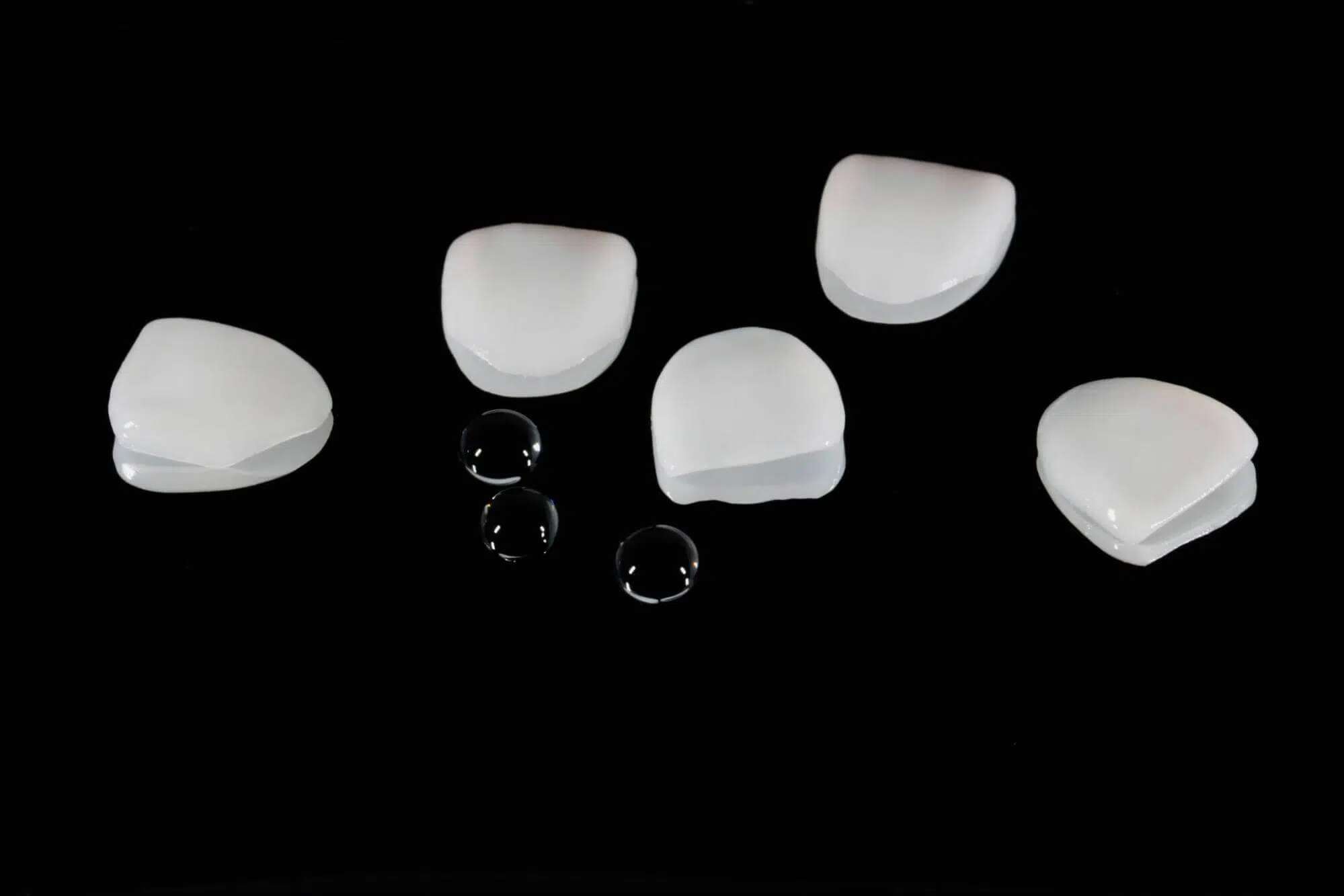
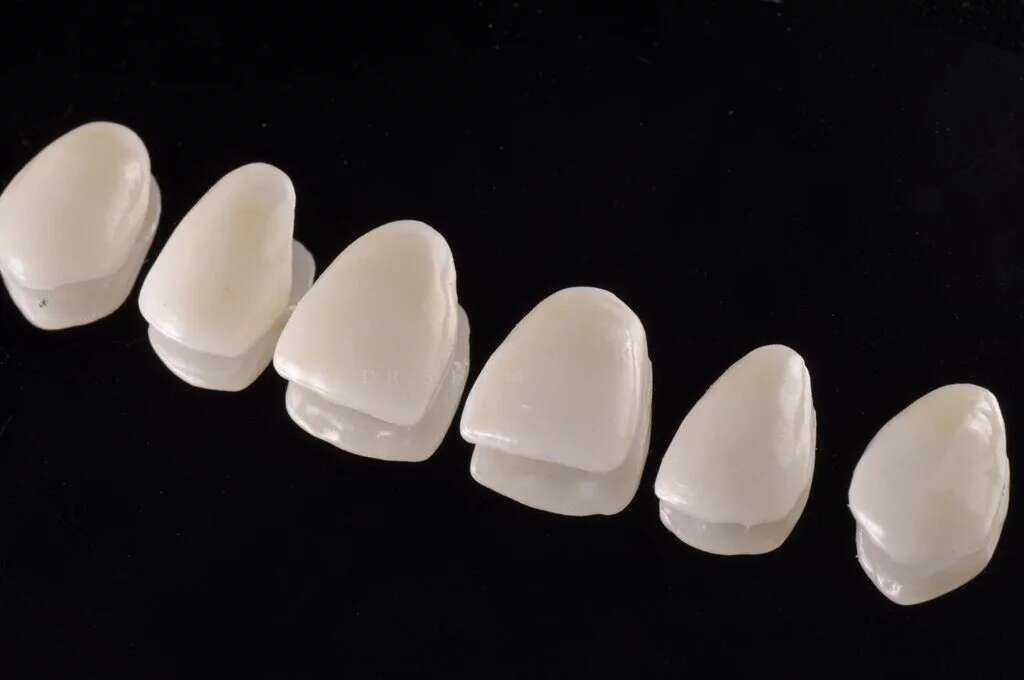
تبدأ قشرة E.max ذات الطبقات بقاعدة من الليثيوم ثنائي السيليكات ثم تتيح لخبير السيراميك إضافة الخزف بشكل استراتيجي، مما يعني أنه يمكنك دفع الشفافية القاطعة وتأثيرات الهالة وملمس السطح والدفء الموضعي والتوصيف الداخلي إلى أبعد مما يمكنك عادةً مع اللمسة النهائية المتجانسة وحدها، خاصةً على الأسنان من 13 إلى 23 أو من 6 إلى 11 حيث تتجه عين المريض أولاً وتبقى أطول فترة. أليس هذا هو بيت القصيد من حالة الأسنان الأمامية الممتازة؟
إنه يقول الجزء الهادئ بصوت عالٍ: E.max الكامل هو الخيار الأقل تباينًا، بينما يمنحك E.max ذو الطبقات حرية بصرية أكبر وحساسية تقنية أكبر، وهي بالضبط الطريقة التي يجب أن يضع بها المختبر الجاد القرار لأن قيمة الطبقات لا تنفصل عن مخاطر التفسير البشري وإجهاد التبريد وعدم اتساق السماكة وخطأ التواصل. جميلة عندما تتم بشكل صحيح. معاقبة عندما تتم بشكل عرضي.
لا يزال قلب ثنائي سيليكات الليثيوم مهمًا
لا تزال القوة مهمة.
صُممت عائلة E.max حول ثنائي سيليكات الليثيوم، Li₂Si₂O₅، و ملف تعريف Ivoclar IPS e.max CAD الشخصي 530 ميجا باسكال قوة الانثناء، في حين أن صفحة نظام الصحافة IPS e.max Press ومجموعة السبائك تُظهر لماذا يمكن للفنيين التنقل بين خيارات HT وMT وLT وMOT وMO وHO و Impulse وMulti اعتمادًا على ما إذا كانت الحالة تحتاج إلى قشرة رقيقة أو قشرة رقيقة أو إخفاء أو قص أو طبقات؛ نفس العائلة، منطق تصنيع مختلف، وطموح جمالي مختلف. فلماذا تتحدث الكثير من صفحات المبيعات كما لو أن كل قشرة E.max تتصرف بنفس الطريقة؟
ولكن هناك مشكلة.
عندما تضيف طبقات، فأنت لا تضيف جمالاً فحسب، بل تضيف خطوة تفسيرية أخرى، ولهذا السبب أعتقد أن الطبقات E.max الطبقية تستحق رسومها في الحالات الأمامية الصغيرة المرئية والموثقة جيدًا، وليس في كل عملية تجميل من ست أو ثماني أو عشر وحدات حيث قد يكون القرار التجاري الأكثر ذكاءً هو مسار قشرة E.max الكامل أو حتى مسار قشرة E.max القياسي إذا كان الموجز هو تناغم الظل المتحكم فيه بدلاً من الألعاب النارية القاطعة الحرفية. هل تحتاج كل ابتسامة إلى ألعاب نارية؟
أين تؤتي الأموال الإضافية ثمارها وأين لا تؤتي ثمارها
أحب العتبات.
إذا كان لدى المريض خط ابتسامة عالية، وتوقعات جمالية قوية، ومينا جيدة، وتصغير منضبط، ونوع مجموعة الصور التي تظهر بالفعل القيمة والدفء وزوايا الخط وظل الجذع، يمكن أن تكون الطبقات E.max هي الخطوة الممتازة الصحيحة لأن هذا هو المكان الذي تكون فيه الطبقات البصرية الدقيقة مرئية بما يكفي لتكون مهمة. أما إذا كانت الحالة غير موثقة أو غير معدة بشكل جيد أو متسرعة، فإن التكلفة الإضافية تبدأ في شراء الرومانسية بدلاً من النتيجة. هذه ليست علاوة. هذه مقامرة.
إليك المقارنة التي سأستخدمها في الواقع بجانب الكرسي والمختبر:
نقطة القرار
قشرة E.max Veneers ذات الطبقات
قشرة E.max Veneers كاملة
القشرة الفلسباتية
ما تدفعه مقابل
أقصى قدر من العمق والتأثيرات القاطعة والملمس المخصص
التكرار، والقوة، والاتساق الأنظف متعدد الوحدات
التلاعب بالضوء الأكثر شبهاً بالمينا والأكثر فناً في الإضاءة
أفضل أنواع الحالات
2-6 وحدات أمامية مرئية للغاية
6-10 وحدات حيثما كان الاتساق مهماً
سنترالات البطل أو الفردي الجمالي فائق المتطلبات
أكبر المخاطر الخفية
المزيد من حساسية التقنية وتباين الظل
دراما بصرية أقل في العمل الأمامي للنخبة
مسامحة أضيق وهشاشة أكثر
أفضل ملف شخصي للمريض
خط الابتسامة العالية، والتدقيق العالي، وجودة الصورة العالية
ترغب في الحصول على علاوة ولكن مع التحكم في المخاطر بشكل عقلاني
ستدفع مقابل الفن المتخصص وتقبل المقايضة
قراءتي الصريحة
لا يستحق الأمر ذلك إلا عندما يتم التحكم في كل متغير من المنبع
التقصير الأكثر ذكاءً أكثر مما يعترف به الناس
رائع، ولكن ليس توصيتي التلقائية
أود أن أضيف حقيقة أخرى غير مريحة.
إذا لم تتمكن العيادة من إرسال ملفات STL، وصور الإعداد، وصور الإعداد، ولقطات الابتسامة المتراجعة، وظل الجذع، ومراجع النسيج، وموجز توصيف حقيقي، فلا يمكنها طلب E.max ذات الطبقات على الطيار الآلي، ولهذا السبب دليل تسلسل تدعيم القشرة المتعددة القشرة و صفحة القشرة الفلسباتية الفلزسباتية المسألة داخليًا: فهي تكشف مدى اعتماد عمل القشرة الممتازة على التحكم في التسلسل وجودة التوثيق وتفسير المختبر، وليس فقط العلامة التجارية للمواد. حقيقة صعبة، أعلم ذلك.
البيانات التي تتخطاها معظم صفحات المبيعات بسهولة
البيانات تساعد.
إن مراجعة الجمعية الأمريكية لطب الأسنان للمواد الترميمية غير المباشرة يقول أن القشرة الخشبية المصنوعة من السيراميك الزجاجي والسيراميك كان معدل بقائها التراكمي 94% بعد 7 سنوات في المتوسط، في حين أن التشقق كان أكثر المضاعفات المبلغ عنها شيوعًا بمعدل 4%، وهو تذكير مفيد بأن القشرة الخشبية تؤدي أداءً جيدًا بشكل عام ولكنها لا تزال تفشل بطرق محددة جدًا ومكلفة للغاية. هل هذا يبدو كفئة يجب التسامح فيها مع الإهمال؟
أما قصة الليثيوم ثنائي سيليكات الليثيوم طويلة الأمد فهي أقوى.
A دراسة بأثر رجعي مفهرسة على PubMed و Ovid ذكرت أن معدلات كسر القشرة E.max كانت 1.3% للقشرة الأحادية و1.53% للقشرة الطبقية على مدى أربع سنوات تقريبًا، والفرق ليس دراماتيكيًا بما يكفي لإخافتي من الطبقات، ولكنه دراماتيكي بما يكفي لقتل الأسطورة الكسولة التي تقول أن الخيار الأجمل يأتي مجانًا. منذ متى تأتي القشرة الفنية الإضافية دون الحاجة إلى المزيد من التباين؟
الزاوية التجارية والقانونية التي يحب الناس تجاهلها
هذا الأمر مهم.
لقد اجتذبت أعمال القشرة الكثير من مشغلي الأموال السريعة، و تقرير أخبار ADA حول اتهام شركة أتلانتا للتكنولوجيا القشرية في أتلانتا في ديسمبر 2025 قضية يُزعم فيها أن من وصف نفسه بـ “فني قشرة الأسنان” أجرى عمليات غير مرخصة، وكسب الملايين بين عامي 2021 و2024، وانتهى به الأمر بمواجهة أكثر من 100 تهمة، وهو ما يجب أن ينهي بشكل نهائي الخيال القائل بأن القشرة مجرد إكسسوارات تجميلية. هل ما زلت تعتقد أن كلمة “متميزة” تعني سطحية؟
أقول ذلك لسبب واحد.
تُعد عمليات تجميل الابتسامة المتميزة علاجًا منظمًا لا رجعة فيه للأسنان، ولا تخلق الطبقات E.max قيمة إلا عندما يدير الحالة أشخاص يفهمون في الإطباق والمينا والترابط والتصوير والتوصيف وإعادة التشكيل بشكل جيد بما يكفي لمعرفة متى لا إلى طبقة، وهذا هو السبب في أنني أثق في بنية المختبر التي تفصل قشرة E.max القياسية, قشرة E.max كاملة, و قشرة E.max ذات الطبقات بدلاً من إلقائها في دلو واحد لامع يسمى “جماليات متميزة”. هذا الفصل ليس زخرفة تسويقية. إنه إدارة للمخاطر.
الأسئلة الشائعة
ما هي قشرة E.max ذات الطبقات؟
قشور E.max ذات الطبقات هي قشور الليثيوم ثنائي سيليكات الليثيوم المبنية على لب مضغوط أو مطحون ومطحون ومطلي ببورسلين بطبقات يدوية، مما يسمح للسيراميك بإضفاء المزيد من الشفافية القاطعة والهالة والتوصيف الداخلي والملمس السطحي أكثر مما يمكن أن تقدمه القشرة المتجانسة بالكامل في نفس الحالة الأمامية.
أستخدمها عندما يدفع المريض مقابل الحصول على فارق بصري دقيق، وليس مجرد قشرة أكثر بياضًا. هذا التمييز يوفر الكثير من خيبة الأمل.
هل قشرة E.max ذات الطبقات تستحق العناء؟
تستحق قشور E.max ذات الطبقات العلاوة عندما تكون الحالة في المنطقة الأمامية المرئية، ويكون خط ابتسامة المريض مرتفعًا، ويحافظ التحضير على المينا، ويمكن للفريق التحكم في ظل الجذع ومساحة التصغير والتصوير وملاحظات التوصيف بشكل جيد بما يكفي لاستغلال الجانب البصري الإضافي.
إذا كانت هذه الشروط مفقودة، أعتقد أنه من الأفضل غالبًا إنفاق المال على تخطيط أنظف، أو إعداد أنظف، أو تصميم E.max كامل قابل للتكرار.
كيف تقارن قشرة E.max ذات الطبقات بقشرة البورسلين؟
بالمقارنة مع قشور البورسلين التقليدية، تستخدم قشرة E.max قشرة E.max ثنائي سيليكات الليثيوم، Li₂Si₂O₅، كخزف هيكلي، والذي يمنح الترميم بشكل عام قوة أكثر قابلية للتنبؤ ومرونة أوسع للإشارة، بينما لا تزال تقنيات الخزف الطبقي تفوز عندما يكون الهدف السريري هو الضغط على آخر جزء من سلوك الضوء الشبيه بالمينا من حالة أمامية.
هذا هو السبب في أن الجدال الحقيقي ليس “E.max مقابل الخزف” بشكل مجرد. بل ما هي البنية الخزفية التي تناسب السن بالتحديد، والإعداد، والهدف الجمالي.
كم من الوقت تدوم قشرة E.max veneers؟
تدوم قشور E.max عمومًا لسنوات عديدة عندما يتم التعامل مع الترابط والتصميم التحضيري والإطباق والصيانة بشكل صحيح، حيث تُظهر البيانات المنشورة على المدى الطويل عن الترميمات المصنوعة من الليثيوم-ديسيليكات انخفاضًا كبيرًا في الفشل السنوي والمراجعات المنهجية على القشرة الخشبية التي تشير إلى بقاء القشرة الخشبية أعلى بكثير من 90% على المدى المتوسط والطويل.
لن أعدك أبداً برقم ساعة دون النظر إلى صريف الأسنان والمينا والعضة. المواد تنجو. أما سوء اختيار الحالة فلا.
ما هو الأفضل للحصول على ابتسامة متميزة: طبقات E.max أم E.max كاملة؟
بالنسبة لتجميل الابتسامة المتميزة، عادةً ما تكون قشرة E.max ذات الطبقات هي الأفضل عندما تتطلب الحالة توصيفًا أماميًا مخصصًا على عدد محدود من الأسنان المرئية للغاية، في حين أن قشرة E.max الكاملة أو قشرة الليثيوم ثنائي سيليكات الليثيوم القياسية غالبًا ما تكون أكثر منطقية عندما يكون الموجز هو التكرار أو التحكم في الميزانية أو تناسق الظل متعدد الوحدات المنضبط.
إجابتي صريحة: اختر الطبقات من أجل الفن المرئي، واختر الكامل من أجل التناسق المضبوط، واختر الفلزباثيك فقط عندما تحتاج العلبة حقًا إلى هذا الجزء الأخير من محاكاة المينا.
خطوتك التالية
افعل ذلك بعد ذلك.
إذا كنت تخطط لترميم ابتسامة متميزة حول قشرة E.max ذات الطبقات، لا تبدأ بالسؤال عن السيراميك “الأفضل”. ابدأ بالسؤال عما إذا كانت الحالة تحتوي على ما يكفي من المينا، ومساحة كافية للإعداد، وتوثيق كافٍ، وطلب جمالي كافٍ لتبرير ترميم أكثر حساسية للتقنية. ثم أرسل إلى المختبر ما هو مهم بالفعل: ملفات STL وصور الإعدادية وصور الإعدادية وظل الجذع وصور الابتسامة المسحوبة ومراجع النسيج وموجز غير غامض حول القيمة والشفافية وزوايا الخط.