الوصف التعريفي: أدلة المشترين للعيادات والمختبرات ومكاتب خدمات الرعاية الصحية والموزعين الذين يختارون مختبر أسنان في الخارج: التسعير والمهل الزمنية والمواد ومراقبة الجودة والشحن وتصنيع المعدات الأصلية/التصنيع حسب الطلب والنصائح الرقمية.

Most dentists talk about zirconia crowns vs e.max crowns like it is a simple strength-versus-esthetics argument. I do not. The real split shows up at the finish line, where preparation geometry, ceramic thickness, marginal adaptation, cementation logic, and remake risk all collide.

Most E.max sales copy still hides behind “minimal prep.” I would not. Buyers need a number, a condition, and a warning label: 1.0 mm is not the default story, and pretending it is can turn a pretty lithium disilicate case into an expensive remake.

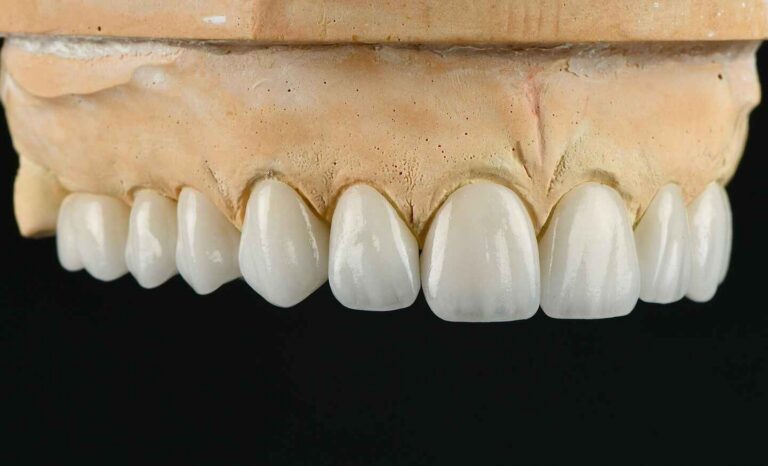
Eight is not a magic number. In many cases, 6 veneers create a more believable result because the visible smile zone ends at the canines, not the first premolars. I’ll show you where the industry keeps overselling 8, what the literature says about smile display and veneer survival, and how material choice changes everything.

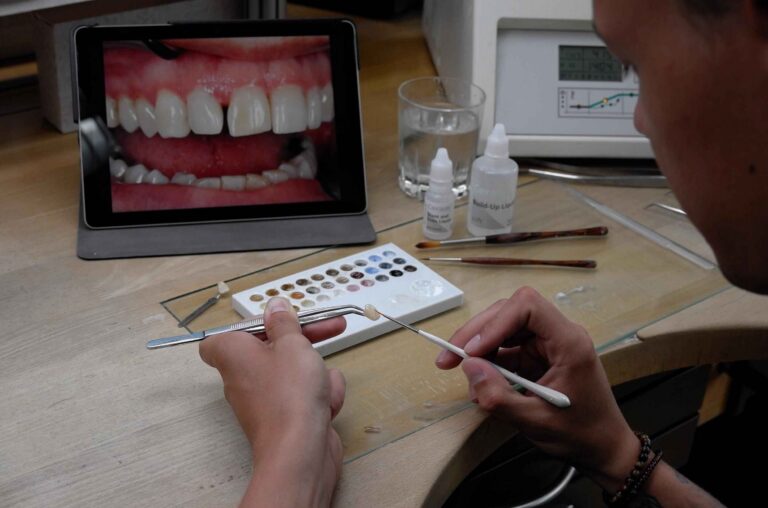
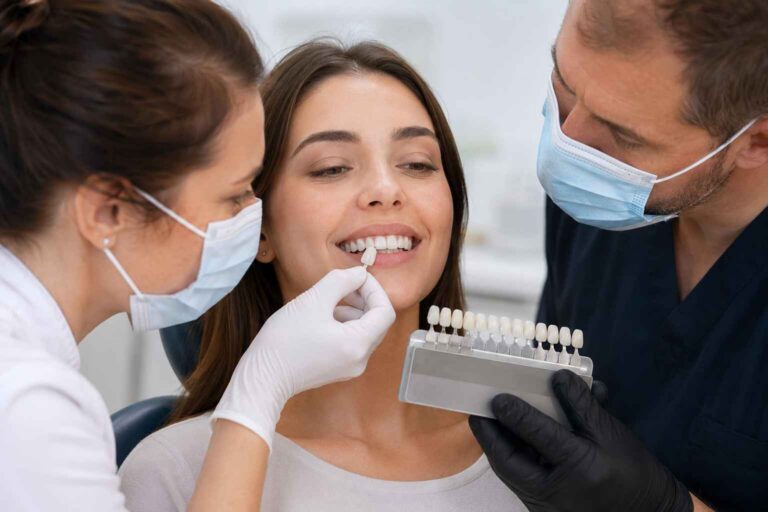
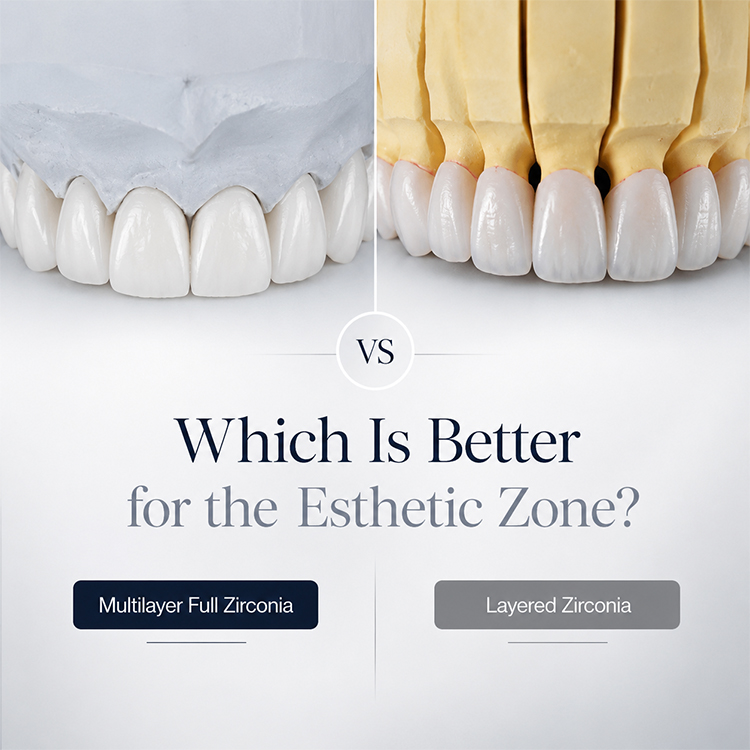
Layered E.max veneers can deliver elite anterior optics, but the premium only pays off when prep design, stump shade, photography, and lab communication are all under control. Here is the blunt version most sales pages avoid.

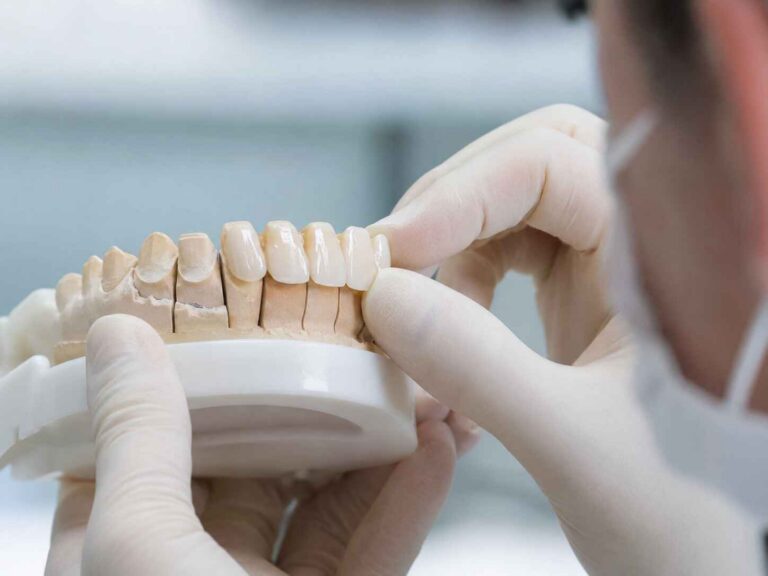
معظم حالات القشرة متعددة الوحدات لا تفشل لأن طبيب الأسنان كان بطيئاً جداً. إنها تفشل لأن التسلسل كان قذرًا. أفضل أن أقضي دقيقتين إضافيتين في التحكم في الوحدات المركزية على أن أخسر عشرين دقيقة إضافية في إصلاح الإسمنت الزائد وسحب التلامس والندم على الظل عبر ست وحدات أمامية.

متجانسة E.max ليست “أقل جمالية”. إنها أقل تغيراً. تشرح هذه المقالة سبب تفوق التناسق على الطبقات في كثير من الأحيان، مع بيانات بقاء القشرة 2024 وبيانات تغير اللون، بالإضافة إلى الحقائق الثابتة لسير العمل في المختبر.

أنا أواجه معضلة “اختيار القشرة الخشبية” برؤية صريحة في هذا المجال، مدعومة بمقارنات سريرية لقشرة E.max مقابل القشرة الفلسباتية، وبيانات الأداء، وروابط مختبرية يمكنك استخدامها بالفعل.