Meta description: Buyer guides for clinics, labs, DSOs and distributors choosing an overseas dental lab: pricing, lead times, materials, QC, shipping, OEM/ODM and digital tips.

Most dentists talk about zirconia crowns vs e.max crowns like it is a simple strength-versus-esthetics argument. I do not. The real split shows up at the finish line, where preparation geometry, ceramic thickness, marginal adaptation, cementation logic, and remake risk all collide.

Most E.max sales copy still hides behind “minimal prep.” I would not. Buyers need a number, a condition, and a warning label: 1.0 mm is not the default story, and pretending it is can turn a pretty lithium disilicate case into an expensive remake.

Eight is not a magic number. In many cases, 6 veneers create a more believable result because the visible smile zone ends at the canines, not the first premolars. I’ll show you where the industry keeps overselling 8, what the literature says about smile display and veneer survival, and how material choice changes everything.

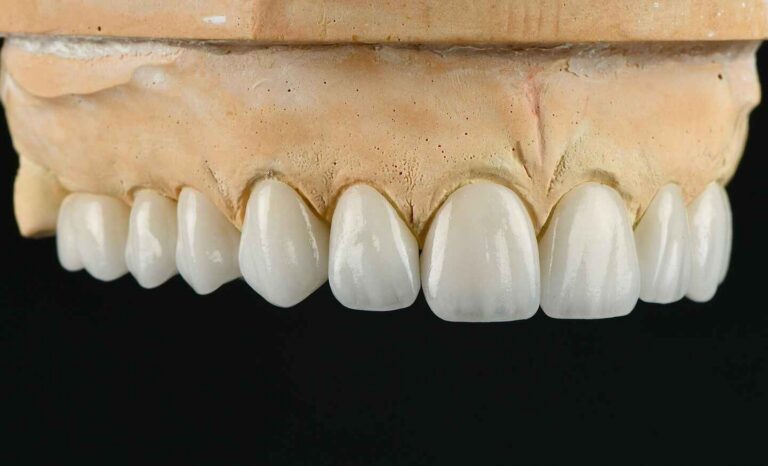
Layered E.max veneers can deliver elite anterior optics, but the premium only pays off when prep design, stump shade, photography, and lab communication are all under control. Here is the blunt version most sales pages avoid.

Most multi-unit veneer cases do not fail because the dentist was too slow. They fail because the sequence was sloppy. I would rather spend two extra minutes controlling the centrals than lose twenty fixing excess cement, contact drag, and shade regret across six anterior units.

Monolithic E.max isn’t “less esthetic.” It’s less variable. This piece explains why consistency often beats layering, with 2024 veneer survival and color-shift data, plus lab-side workflow hard truths.

I confront the “Veneer Selection” dilemma with frank industry insight, backed by clinical comparisons of E.max vs feldspathic veneers, performance data, and laboratory links you can actually use.