
Get a B2B Price List & Start a Trial Case
Leave your details on the left — we’ll contact you with pricing and next steps.
Dental Denture Manufacturer & B2B Partner
Predictable quality • Digital workflow support • Reliable turnaround

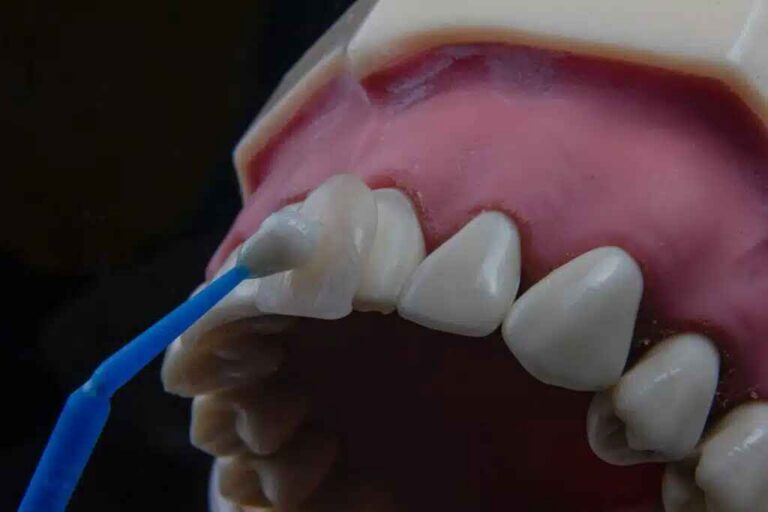
The biggest bonding challenges with zirconia veneers are not mysterious. They are predictable: weak micromechanical retention, poor surface treatment, wrong primer timing, saliva contamination, overconfidence in resin cement, and case selection that ignores enamel, occlusion, and prep geometry.
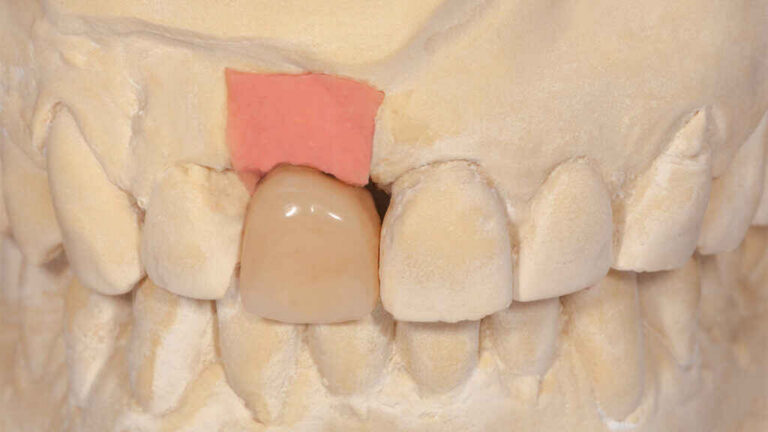
A single central incisor crown looks simple until the patient smiles. Here is the lab-side truth about why these anterior tooth restoration cases fail, what clinicians should document, and how to reduce remake risk.
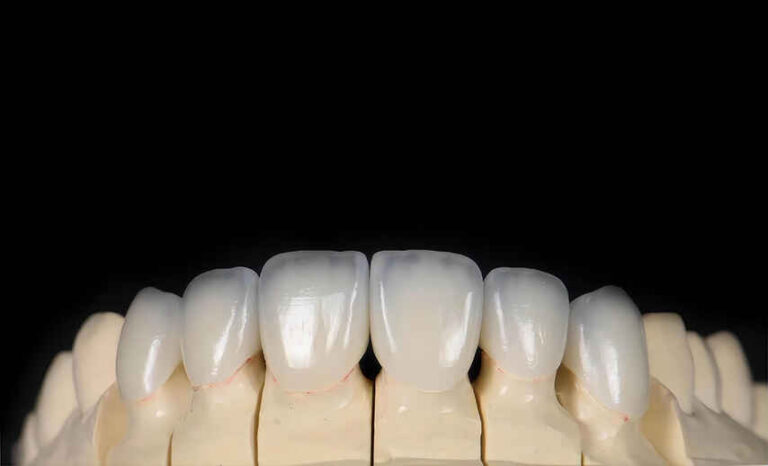
Layered zirconia crowns can look excellent in the esthetic zone, but only when the dentist-lab handoff is brutally specific. Here is the communication protocol I would use before prescribing porcelain layered zirconia crowns.
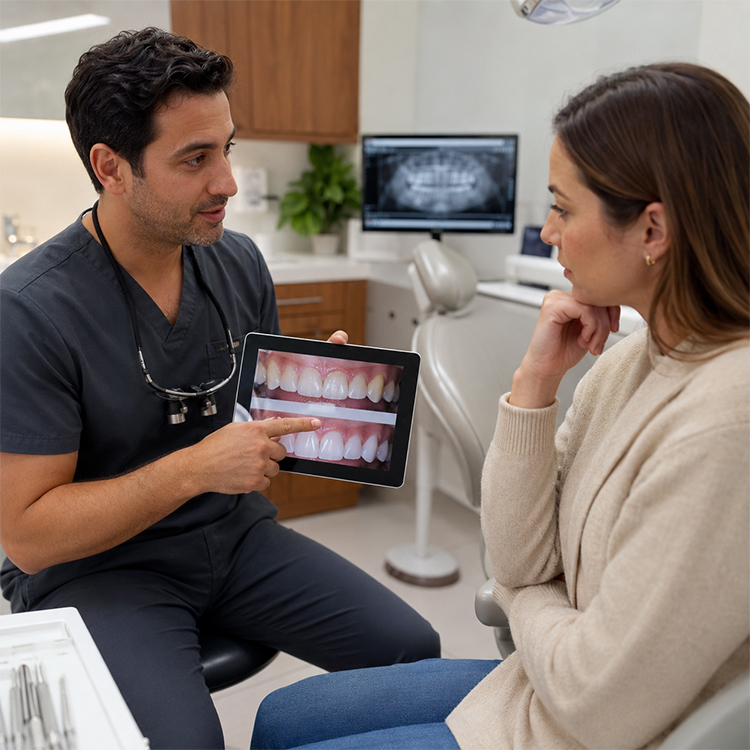
Veneer instances market feeling, yet assumption monitoring safeguards the instance. Right here's the uneasy checklist dentists ought to use before revealing oral veneers before-and-after pictures to people.
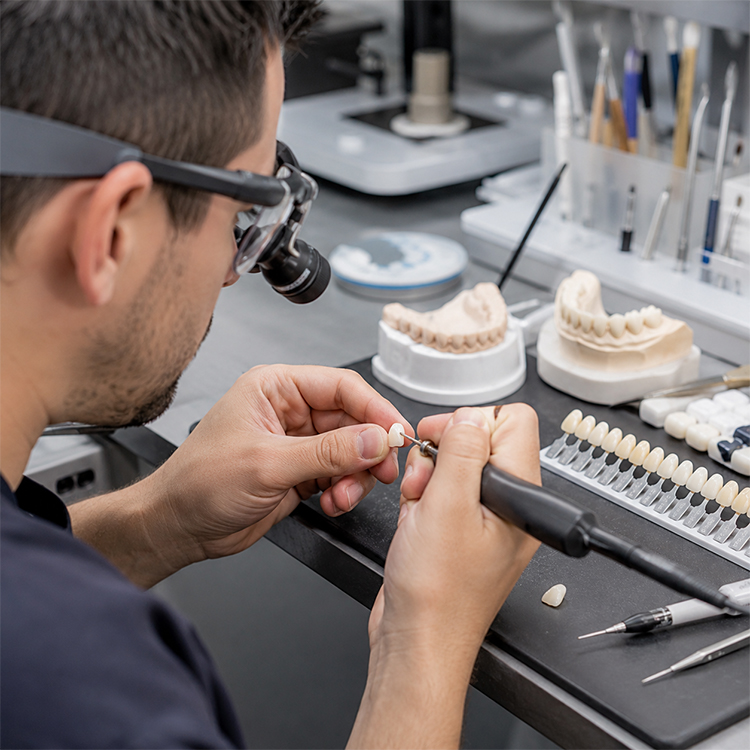
Anterior tooth design need to not start with a tooth library. It must start with the patient's face, lip motion, gingival frame, occlusion, and product limits. Below is the difficult reality most aesthetic situations learn too late.
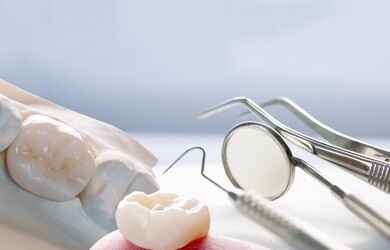
E.max and split zirconia are not interchangeable "costs" crown products. One wins light. One wins tons. Both can stop working severely when case choice, reduction, margin design, color information, and occlusal danger are treated like afterthoughts.
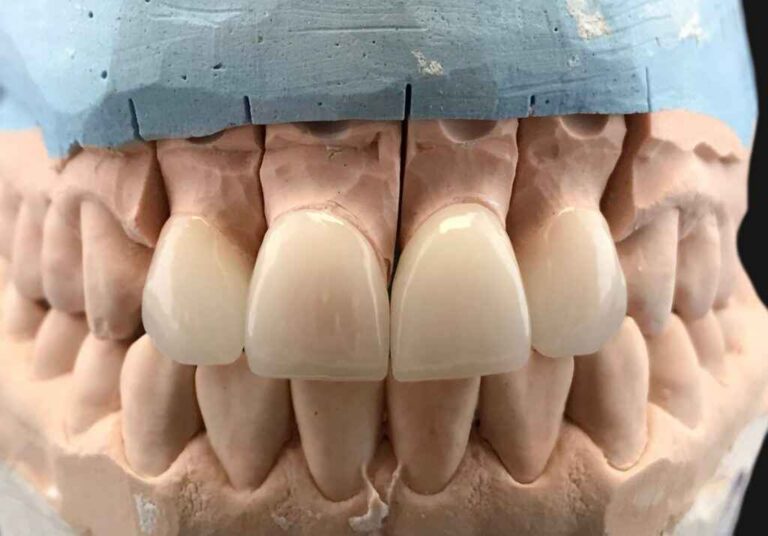
E.max crowns can work in posterior teeth, but high occlusion alters the mathematics. This guide explains when lithium disilicate is defensible, when zirconia is much safer, and what dentists should send the laboratory prior to gambling on appeal in a force-heavy mouth.
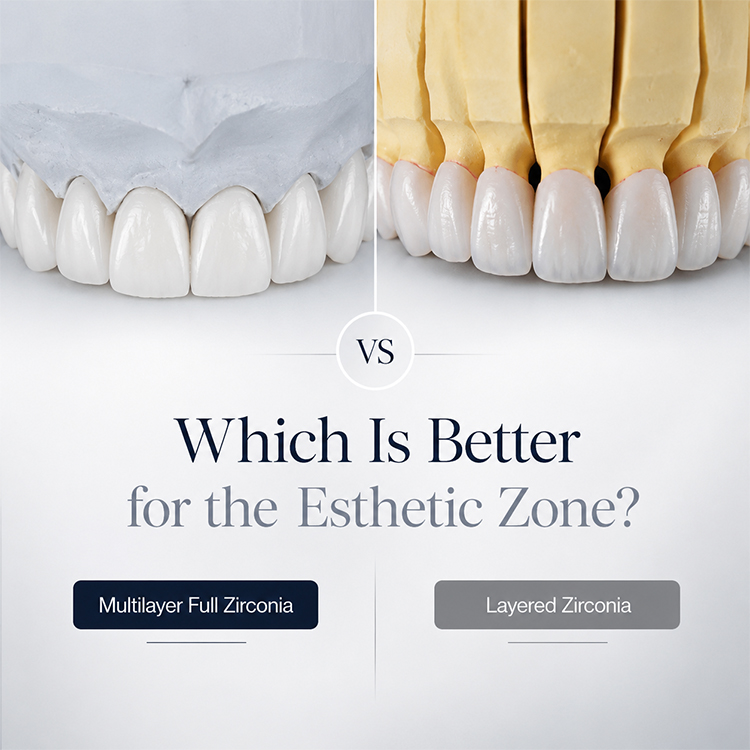
Multilayer full zirconia crowns are tougher and cleaner mechanically, while split zirconia crowns still win when hand-built optical nuance matters. The much better option for anterior teeth relies on stump color, smile line, occlusion, prep room, and just how much esthetic threat the instance can tolerate.
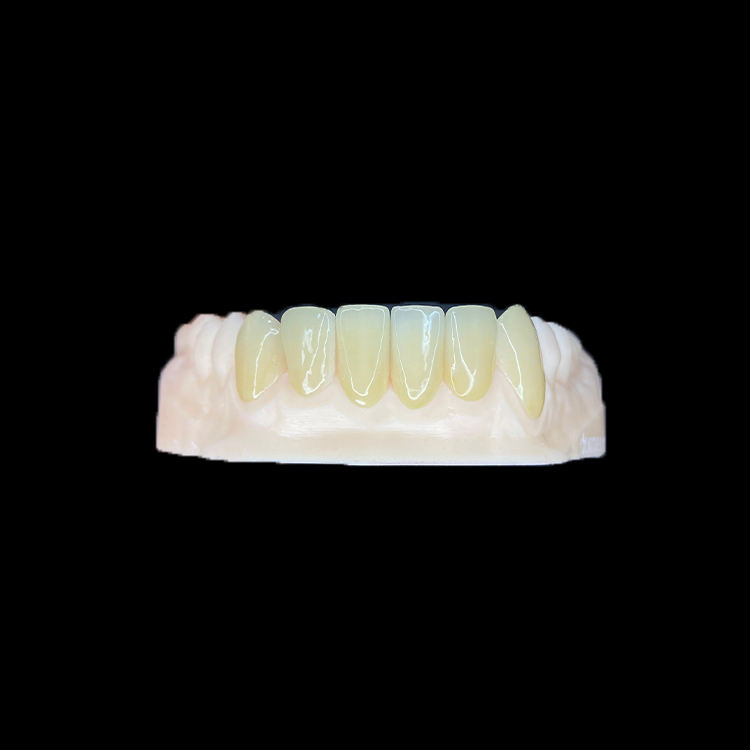
High-smile-line veneer cases punish lazy planning. This article explains when zirconia veneers make sense, when E.max or feldspathic porcelain is safer, and why “stronger” is not the same as “better” in the visible smile zone.
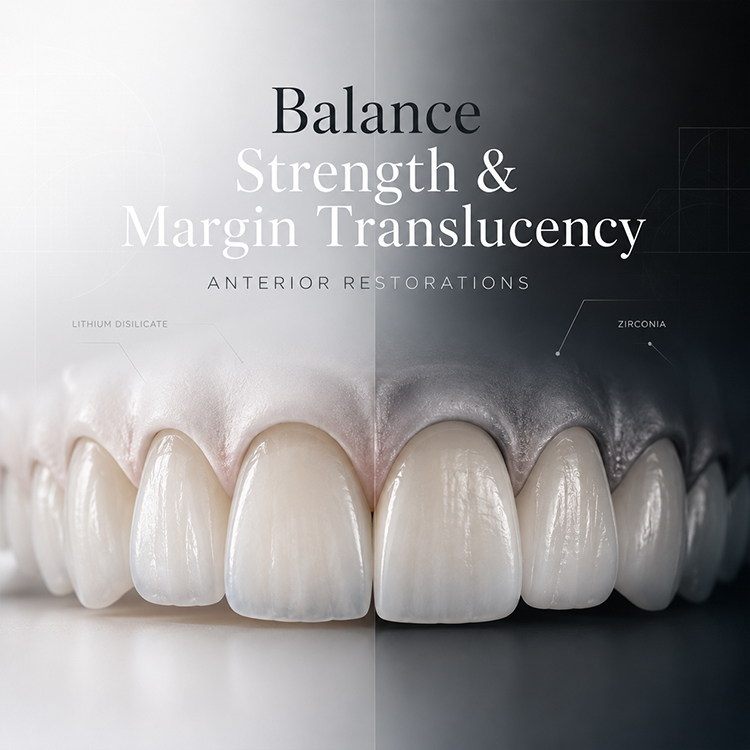
Anterior restorations fail when clinicians chase either brute strength or pretty translucency without respecting the margin. Here is the uncomfortable lab-side truth about E.max, zirconia, feldspathic porcelain, and the small decisions that decide whether a case looks alive or looks fake.
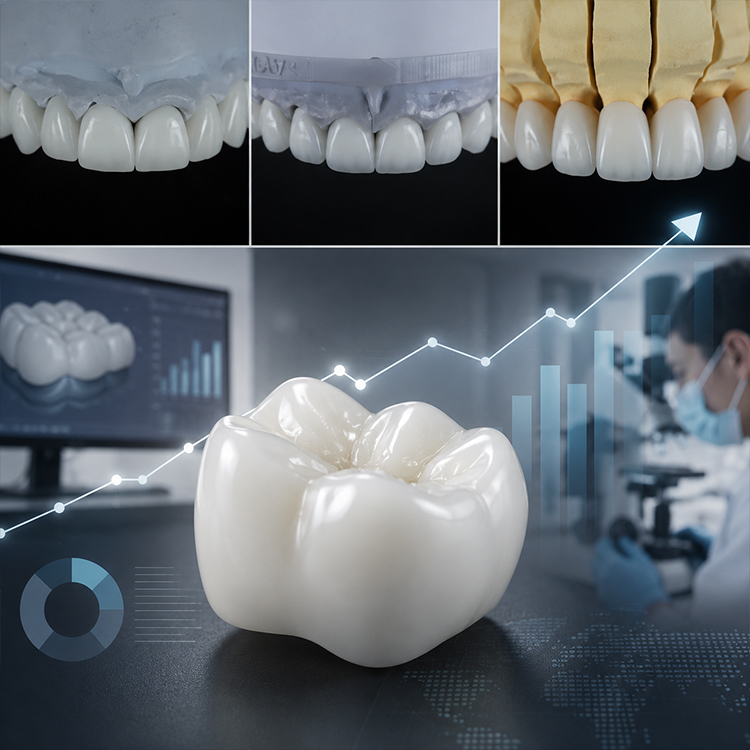
Zirconia crowns are not winning posterior dentistry because they are fashionable. They are winning because monolithic ZrO₂ handles load, CAD/CAM production scales, and porcelain-layered alternatives still carry remake risk when occlusion gets ugly.
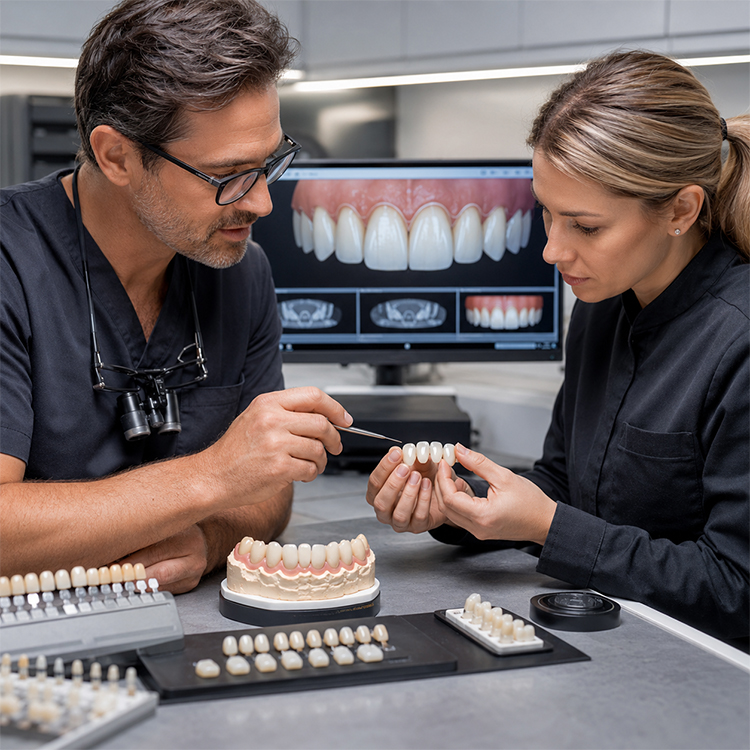
Multi-unit anterior remediations fall short less from "poor ceramic" than from lazy material logic. Here is the decision system I would certainly utilize before recommending E.max, zirconia, feldspathic porcelain, or split porcelains for the smile zone.