
Get a B2B Price List & Start a Trial Case
Leave your details on the left — we’ll contact you with pricing and next steps.
Dental Denture Manufacturer & B2B Partner
Predictable quality • Digital workflow support • Reliable turnaround

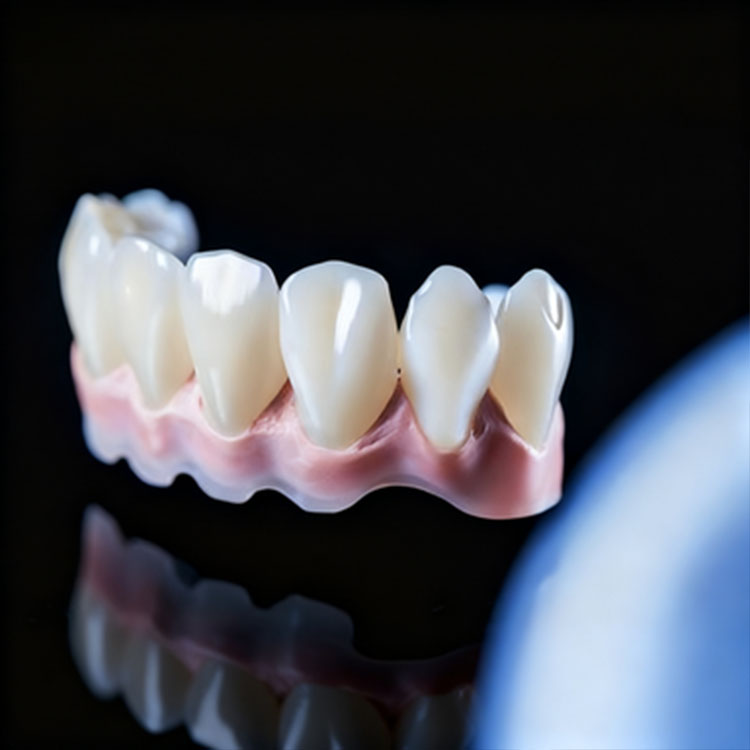
Most multi-unit veneer cases do not fail because the dentist was too slow. They fail because the sequence was sloppy. I would rather spend two extra minutes controlling the centrals than lose twenty fixing excess cement, contact drag, and shade regret across six anterior units.
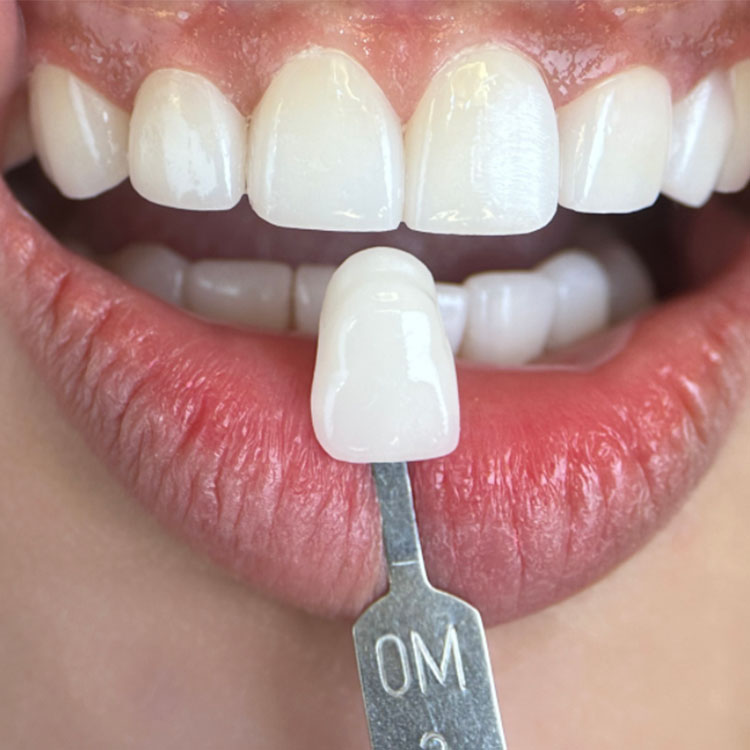
E.max vs zirconia is not just a material debate. It is a surface-treatment problem. Get the intaglio protocol wrong, and the prettiest restoration in the box turns into a remake waiting for a calendar date.
Tetracycline cases expose lazy cosmetic dentistry fast. I break down when whitening still earns a place, when monolithic lithium disilicate is the smarter call, when layered or feldspathic veneers deserve the seat, and when a crown is the more honest treatment.
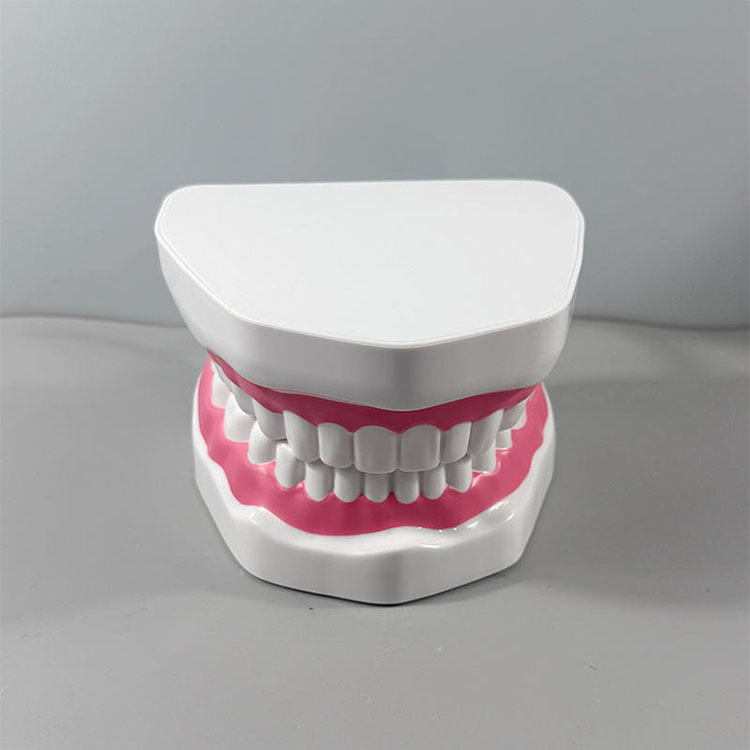
Here’s the hard truth about anterior restorations: the cases that miss rarely fail because the clinician lacks technique. They fail because the team never agreed on shade, material, contours, reduction, or functional limits in a way the lab could actually execute.
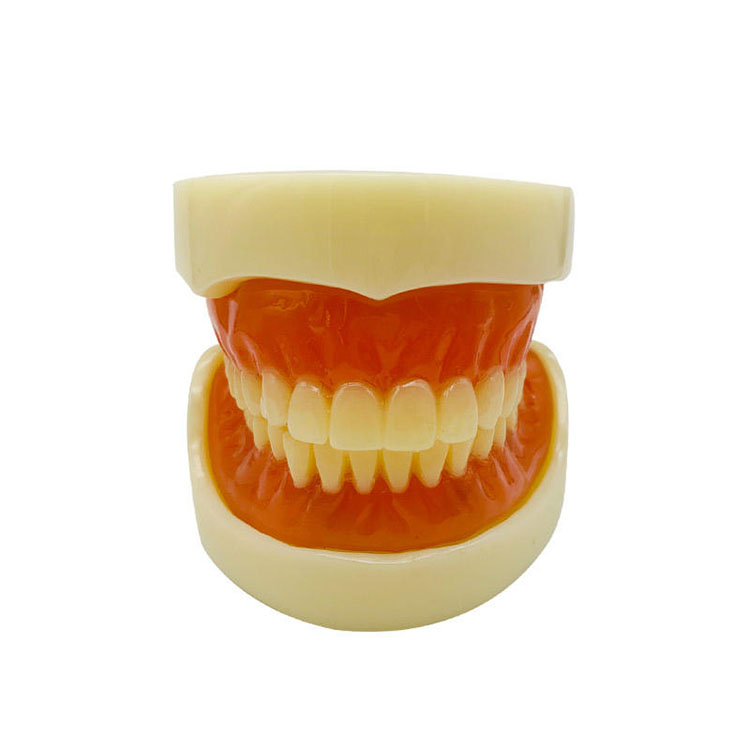
I’ll say the quiet part out loud: most full-mouth rehab material failures are not material failures. They are planning failures. In modern full mouth rehabilitation, the anterior segment should usually be chosen for light behavior, phonetics, and guidance, while the posterior segment should be chosen for load tolerance, wear control, and lower remake risk.
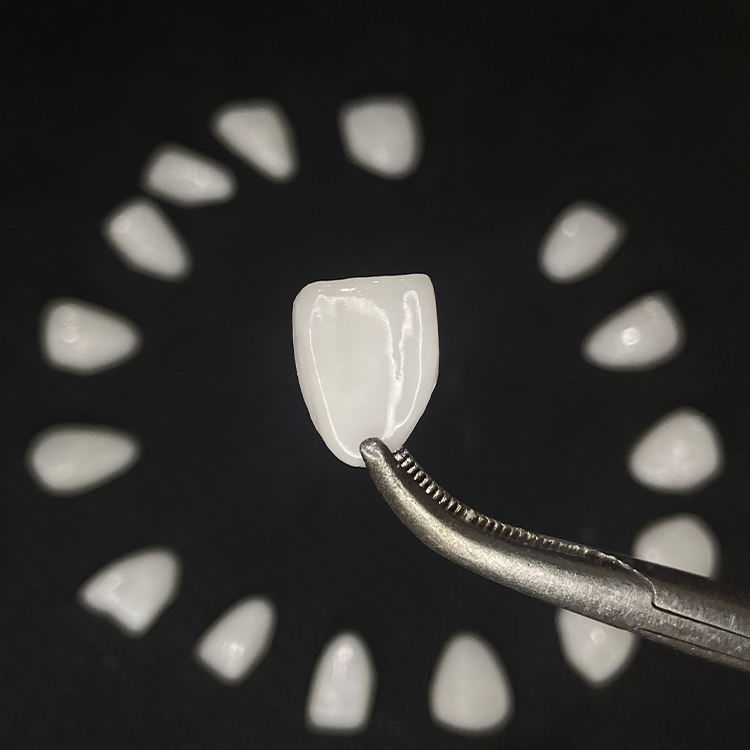
Most dentists hear “E.max” and think material. I think workflow. Full E.max and layered E.max can both look excellent, but they fail in different ways, reward different habits, and belong in different cases.
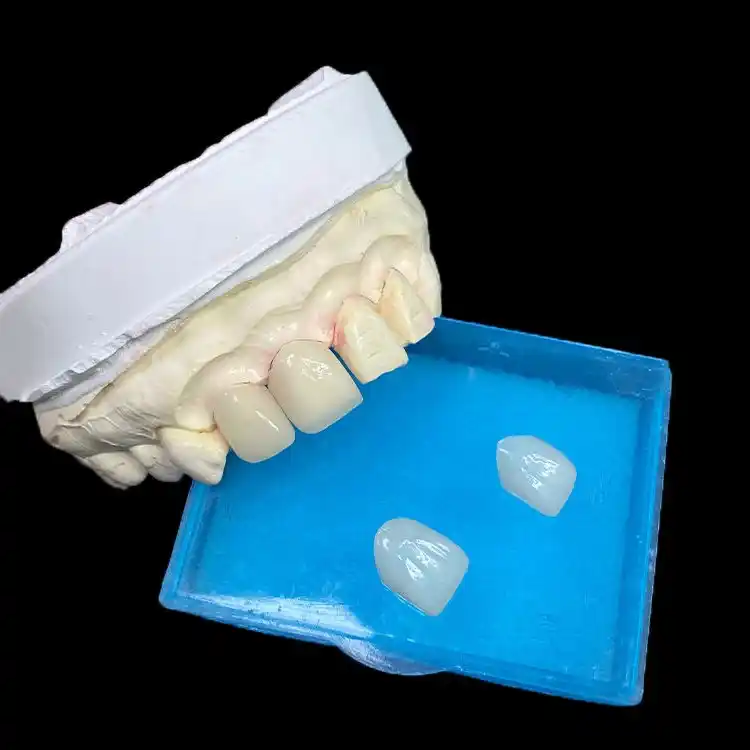
Monolithic E.max isn’t “less esthetic.” It’s less variable. This piece explains why consistency often beats layering, with 2024 veneer survival and color-shift data, plus lab-side workflow hard truths.
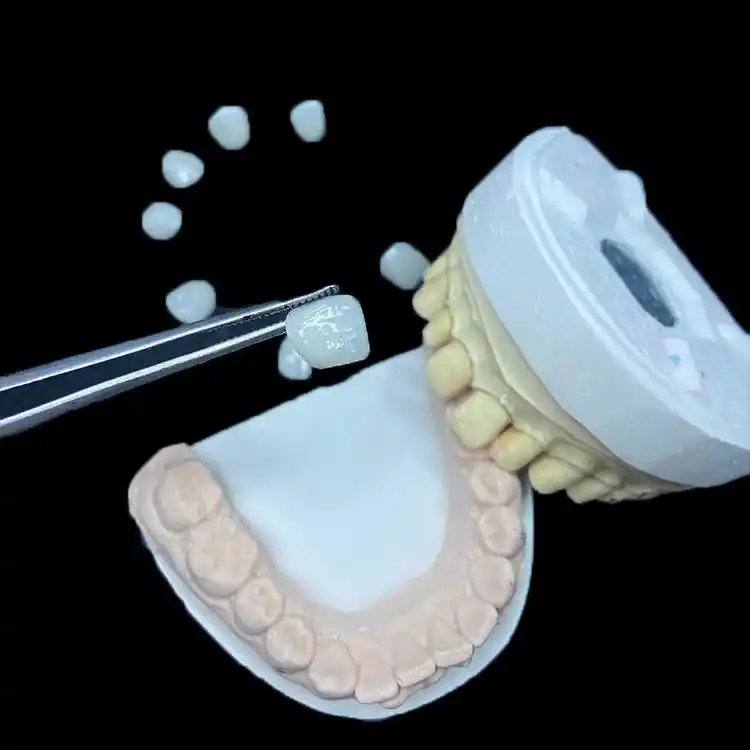
I confront the “Veneer Selection” dilemma with frank industry insight, backed by clinical comparisons of E.max vs feldspathic veneers, performance data, and laboratory links you can actually use.