Meta description: Dental lab knowledge hub: indications, material selection, and workflow tips for zirconia, Emax, veneers, implants and dentures—built for professional teams.

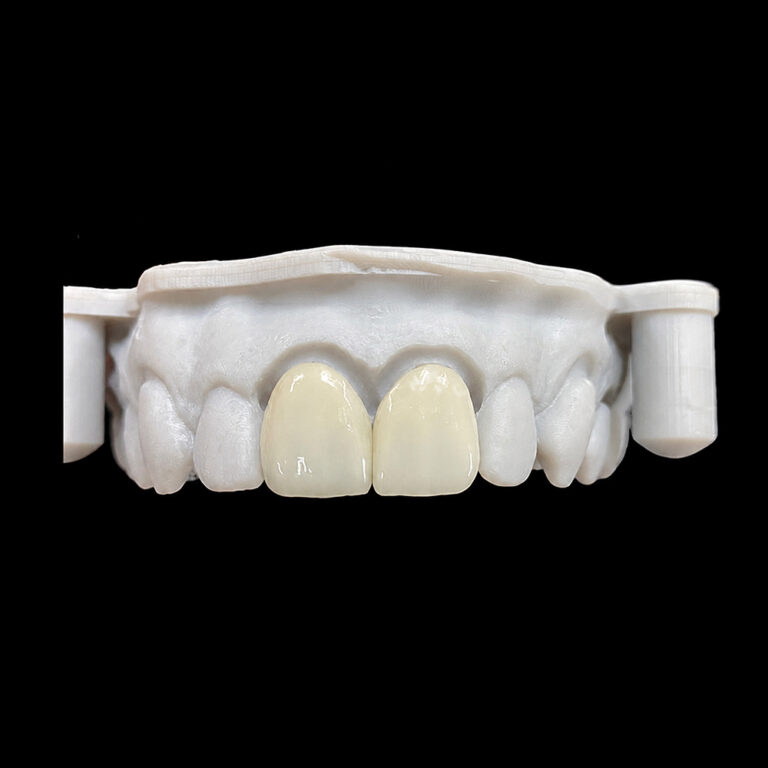
A single central incisor crown looks simple until the patient smiles. Here is the lab-side truth about why these anterior tooth restoration cases fail, what clinicians should document, and how to reduce remake risk.

Anterior tooth design need to not start with a tooth library. It must start with the patient's face, lip motion, gingival frame, occlusion, and product limits. Below is the difficult reality most aesthetic situations learn too late.

E.max crowns can work in posterior teeth, but high occlusion alters the mathematics. This guide explains when lithium disilicate is defensible, when zirconia is much safer, and what dentists should send the laboratory prior to gambling on appeal in a force-heavy mouth.

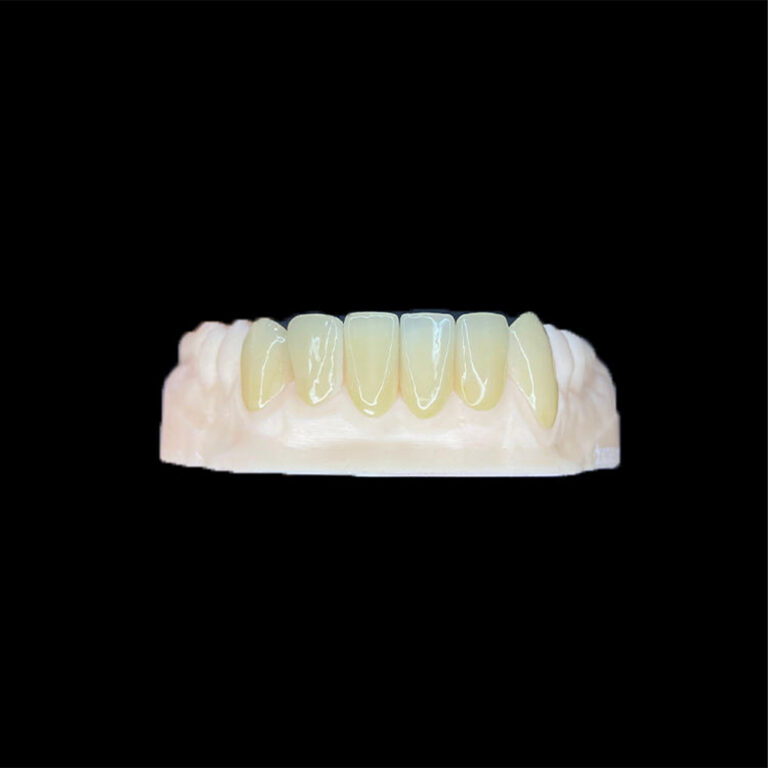
Anterior restorations fail when clinicians chase either brute strength or pretty translucency without respecting the margin. Here is the uncomfortable lab-side truth about E.max, zirconia, feldspathic porcelain, and the small decisions that decide whether a case looks alive or looks fake.

Anterior restorations fail visually when the surface is too flat, too shiny, too smooth, or too generic. Shade matters, but texture tells the eye whether the tooth belongs in the mouth.

Dental veneers can work beautifully, but deep bite and edge-to-edge cases are where cosmetic dentistry turns into engineering. This article explains why direct veneer placement is often risky, when it may be defensible, and what dentists should send the lab before prescribing porcelain veneers in bite-problem cases.

Tetracycline-stained teeth veneers are not a simple beauty purchase. The real decision sits at the intersection of masking power, enamel bonding, stump shade, ceramic thickness, cement value, occlusion, and whether the lab can control the final result under ugly clinical conditions.

Multi veneer cases do not fail because the dentist “missed beauty.” They fail because the midline was not owned early, the symmetry was judged too late, and the lab received poetry instead of usable data.

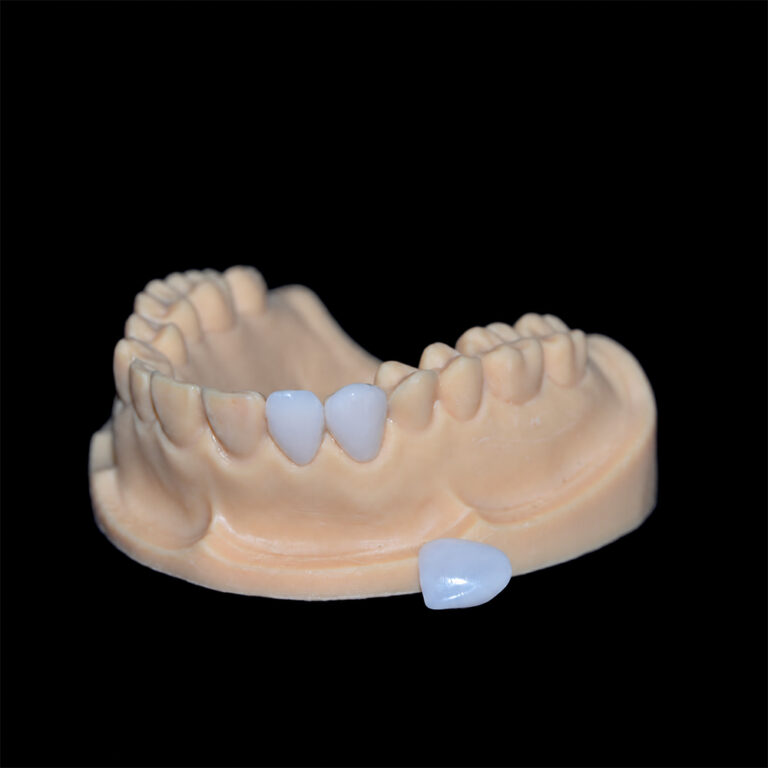
E.max, zirconia, and feldspathic veneers are not interchangeable “premium” options. They are different risk profiles. This guide explains when each anterior veneer material makes sense, when it fails, and why case selection matters more than brand loyalty.

Most E.max veneer failures are not material failures. They are protocol failures. Here is the standard bonding sequence for lithium disilicate veneers, the evidence behind it, and the hard truths many clinics still avoid.

Layered E.max is not the universal successor to feldspathic porcelain. It is a smarter compromise in many cases, but feldspathic still owns a narrow, real optical edge that high-end anterior work can expose fast.

Most clinicians frame this as an esthetics question. I don’t. The real line between E.max veneers and E.max crowns is biological first, mechanical second, and only then cosmetic.