E.max Crowns vs Layered Zirconia Crowns: Comparing Esthetics, Strength, and Remake Risk
The Crown Argument The Majority Of Sales Pages Flatten Into Rubbish
Remakes hurt margins.
When I take a look at eMax vs zirconia crowns, I do not see an adorable product dispute; I see a chain of company danger that begins with preparation style, runs through color interaction and occlusal medical diagnosis, then lands on the lab bench as either a foreseeable remediation or a costly apology. So why do we still offer this as “beauty versus stamina”?
The careless solution is this: E.max looks better, zirconia is stronger. The valuable solution is messier.
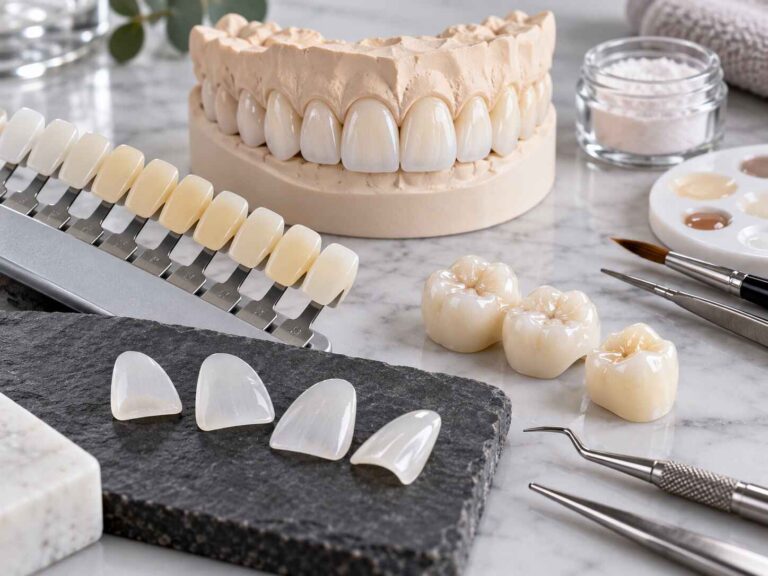
E.max, or lithium disilicate glass-ceramic, is built around Li Two Si Two O FIVE chemistry and is frequently selected for anterior crowns because it takes care of translucency, worth, and enamel-like depth far better than most oxide ceramics. Split zirconia crowns use a ZrO ₂ zirconia core with porcelain layered over it, which offers the technician extra space to create deepness and appearance than monolithic zirconia, yet additionally introduces a weak point: the veneering porcelain.
However I would not let either material off the hook.
Esthetics: E.max Still Wins the Light War, But Not Every Instance Deserves It
Light levels.
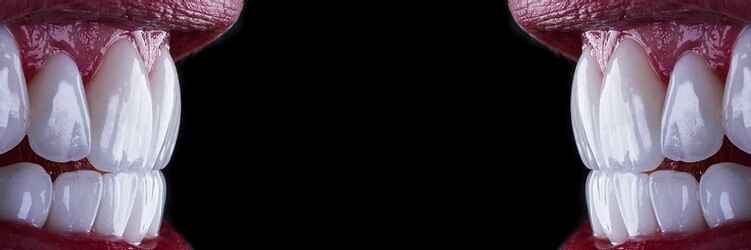
A crown can look lovely on a black-background lab picture and still pass away inside the mouth because the worth is too high, the incisal third is too flat, the stump shade was neglected, or the ceramic thickness was guessed from hope instead of gauged clearance. That is why I rely on worldly choice only when it is connected to prep room, shade tabs, stump images, and adjacent-tooth texture. What else is “superior esthetics” expected to suggest?
E.max has a genuine optical benefit in lots of former cases. IPS e.max CAD is provided by Ivoclar with 530 MPa flexural stamina, 4 translucency degrees, and numerous A– D, Bleach, and Impulse color choices, which describes why medical professionals keep reaching for it when the instance needs deepness rather than strength.
But there is a tough fact below: E.max is not a forgiveness machine.
If the prep work is slim, the margin is unclear, the stump is dark, or the person has heavy parafunction, one of the most beautiful lithium disilicate crown worldwide can become a remake waiting for a calendar date. That is why I would certainly couple this article with Musician Dental Laboratory’s existing discussion on exactly how margin design differs between zirconia crowns and E.max crowns, due to the fact that the edge of the prep usually chooses the fate of the crown prior to the color is also finalized.
Where Layered Zirconia Can Look Exceptional
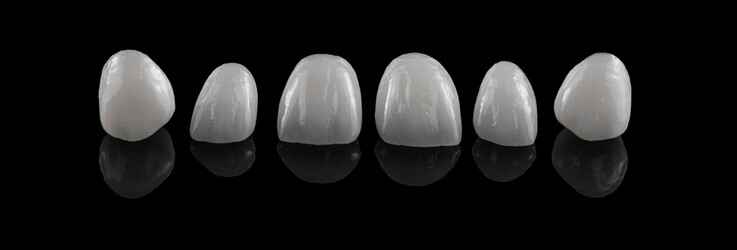
Layered zirconia makes its charge when the situation needs a stronger substructure but can not tolerate the flat, high-value appearance of improperly managed monolithic zirconia. A proficient professional can develop incisal vigor, mamelon impacts, halo habits, texture, and surface area gloss right into the porcelain layer.
That sounds ideal.
Yet split zirconia is not simply “solid zirconia plus quite porcelain.” It is a signed up with system. The core may be difficult, however the veneering ceramic can chip, craze, or shear when the structure style, cooling method, occlusion, or port assistance is wrong. The remediation may endure while the charm layer stops working. That difference issues due to the fact that people do not care that the zirconia core is undamaged when the facial porcelain looks damaged.
Stamina: Zirconia Wins Load, But Layered Zirconia Has a Porcelain Problem
Pressure is fierce.
Zirconia’s mechanical credibility is not phony, and current costs systems such as IPS e.max ZirCAD Prime are marketed with 1,200 MPa flexural stamina for high-strength zirconium oxide, much above the 530 MPa number commonly mentioned for IPS e.max CAD.
So yes, if the question is the best dental crowns for posterior load, limited clearance, dental implant assistance, or a client with bruxism, zirconia normally gets my attention first. Artist Dental Lab’s very own full-contour multilayer zirconia remediations page makes the exact same critical difference: monolithic multilayer zirconia is placed for posterior strength, bridges, damaging resistance, and practical operations.
However the H1 is not comparing E.max against monolithic zirconia. It is contrasting E.max versus layered zirconia crowns.
That transforms the threat account.
A 2019 NIH-indexed evaluation on zirconia usage in dental care reported veneering crack rates of 2– 9% for crowns after 2– 3 years and 3– 36% for bridges after 1– 5 years in zirconia veneer systems. Those numbers are not little when the client is paying for premium esthetics and the dentist is trying to secure chair time.
This is why I do not like covering phrases like “zirconia is more powerful.” Which zirconia? 3Y-TZP, 4Y-TZP, 5Y-TZP, multilayer, monolithic, cut-back, hand-layered? And where is the porcelain? On the face just? Full protection? Sustained effectively? In occlusion?
The crown material comparison gets serious just when we different framework survival from noticeable aesthetic failing.
Table of Contents
Remake Threat: The Costs Typically Begins Prior To the Crown Is Milled
Remakes rarely amaze me.
They normally introduce themselves early: a dark stump with no stump color picture, a high-smile-line situation with casual shade notes, a bruxer prescribed as if they are a version person, a slim preparation marketed as “conventional,” or a dentist-technician handoff which contains 3 words and a petition. Why are we stunned when the crown returns wrong?
A 2025 retrospective associate research comparing zirconia and lithium disilicate prostheses reported a 5-year cumulative survival rate of 94.0% for zirconia and 89.0% for lithium disilicate, with the distinction not statistically considerable because study. That is the type of number that should soothe the shouting: both products can function, and neither material saves negative planning.
For lithium disilicate particularly, a PubMed-indexed 10-year study reported 86.1% survival and 83.4% chipping-free price for solitary crowns, while implant-supported single crowns done far better at 93.8% survival and 94.1% chipping-free price. Once more, the lesson is not “prevent E.max.” The lesson is to suggest it only when the scientific conditions fit the product.
This is where the lab needs to be candid. If a practice wants fewer remakes, it needs a prescription system that forces the right data into the instance before manufacturing begins: STL scan quality, decrease map, stump shade, last color, occlusal scheme, opposing material, client habit threat, margin style, pictures, and whether the crown is anticipated to mask or send.
That is also why I would normally link viewers to how to assess a lab’s ability to deliver premium anterior esthetics. The real concern is not whether a laboratory can publish rather crowns. It is whether the laboratory understands when to claim, “This product selection is setting up a remake.”
E.max Crown vs Layered Zirconia Crown: The Choice Table I Would In Fact Use
Choice Aspect
E.max Crowns
Layered Zirconia Crowns
Core material
Lithium disilicate glass-ceramic, Li two Si Two O ₅
Anterior or esthetic-zone situations needing stronger substructure and hand-layered character
Optical actions
Solid clarity, enamel-like depth, excellent worth control when thickness suffices
Enhanced depth versus monolithic zirconia, but technician-dependent and in some cases higher-value
Strength profile
Helpful for chosen crowns, much less forgiving under hefty function
Strong core, yet porcelain layer can chip if in need of support or overloaded
Typical remake trigger
Thin prep, dark stump, bad glue control, incorrect shade/value
Porcelain damaging, inadequate structure support, high occlusal lots, level esthetics
Bonding/cementation reasoning
Typically benefits from glue material process and mindful surface treatment
Often extra versatile cementation alternatives, yet surface area therapy procedure still matters
Finest crown product for front teeth?
Commonly the front runner when stump shade and feature are favorable
Solid alternative when esthetics and added architectural assistance both issue
High-risk patient profile
Bruxers, dark stump, short preparation, minimal clearance
Hefty anterior advice, parafunction, in need of support porcelain, bad occlusal style
My bias
Use it when light behavior matters and the preparation is straightforward
Use it when toughness matters, but do not make believe the porcelain layer is unyielding
The table is intentionally pragmatical. An attractive E.max crown can fail if it is forced into a tons instance. A layered zirconia crown can look drab or chip if the laboratory hides behind the word “zirconia” and disregards porcelain physics.
The Out Of Favor Material Regulation: Stop Asking Which Is Much better
The better inquiry is not “which is much better E.max or zirconia crowns?” The better question is: which failure are you ready to handle?
E.max failing typically comes from sign abuse: not enough decrease, inadequate bonding, dark substrates, parafunction, and worth inequality. Layered zirconia failure frequently comes from system misuse: in need of support veneering ceramic, bad occlusion, weak porcelain style, or picking split esthetics when a monolithic option would certainly have been more secure.
That is why the most intelligent oral crown material contrast does not start with the pamphlet. It starts with these instance questions:
1. Is the individual a grinder?
If of course, I end up being much less enchanting about lithium disilicate and more curious about zirconia, especially monolithic or minimal-layering layouts. If the case needs to be extremely aesthetic, split zirconia may still work, however I desire occlusal layout and product support pin down prior to anybody commemorates.
2. Is the crown in the high-smile zone?
If yes, E.max deserves severe consideration since the optical ceiling is high. Yet a high-smile case with a dark stump, poor reduction, or impractical shade need might still push me towards zirconia plus layering or an additional covering up strategy.
3. Is the prep actually all set for the material?
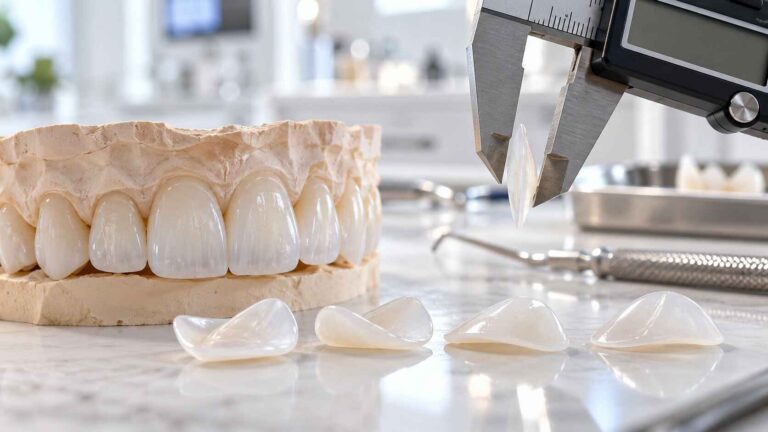
This is where individuals lie to themselves. E.max needs respectful ceramic thickness. Layered zirconia requires framework support and porcelain control. Neither one appreciates unclear finish lines. If the margin is not readable, the crown is already working out with failing.
4. Is the lab being asked to fix a professional trouble with porcelain?
A laboratory can boost contour, appearance, incisal impact, and worth. It can not get rid of a bad medical diagnosis. If the person’s bite is aggressive, if the stump is dark, or if the clearance is inadequate, the product choice has to soak up that fact.
My Hard Suggestion for Facilities and Labs
Select E.max when the instance is about light, not penalty.
Usage E.max crowns for anterior and chosen posterior instances where the stump color is manageable, adhesive process is controlled, decrease suffices, and the individual’s feature does not turn the remediation into a stress test. Usage layered zirconia crowns when the case needs a stronger zirconia base but still requires face depth, appearance, and premium characterization.
But when the individual is high-load, posterior-heavy, implant-supported, or short on clearance, quit attempting to make every instance a charm competition. Think about monolithic or full-contour zirconia, and factor the reader toward full-contour multilayer zirconia for resilient crown and bridge process.
Here is the component I would state privately to a center owner: your remake price is possibly not a material problem. It is a communication trouble putting on a product label.
Frequently asked questions
What is the primary difference in between E.max crowns and layered zirconia crowns?
E.max crowns are lithium disilicate glass-ceramic remediations created for high clarity and all-natural enamel-like esthetics, while split zirconia crowns use a strong zirconia core covered with porcelain layering to incorporate architectural assistance with custom surface characterization in aesthetic crown cases. The useful distinction is failure actions: E.max is much more conscious indication and bonding, while layered zirconia is a lot more sensitive to porcelain assistance and occlusion.
Which is better for front teeth, E.max or layered zirconia?
E.max is commonly better for front teeth when the stump shade agrees with, reduction is adequate, and the individual has regular feature due to the fact that lithium disilicate generally supplies stronger translucency, worth control, and enamel-like depth than zirconia-based remediations. Split zirconia comes to be much more appealing when the anterior instance needs additional masking, stronger support, or more resistance to practical risk.
Are split zirconia crowns stronger than E.max crowns?
Split zirconia crowns usually have a more powerful core than E.max crowns because zirconia frameworks can have a lot greater flexural-strength values than lithium disilicate, yet the veneering porcelain layer can still chip or crack under bad support or heavy occlusal lots. So the crown might be structurally solid while still carrying visible esthetic-layer threat.
Do E.max crowns chip more than zirconia crowns?
E.max crowns can chip or fracture when made use of outside their ideal indications, however split zirconia crowns additionally carry cracking threat due to the fact that their porcelain veneer is bonded over a zirconia core and can fall short under stress and anxiety, bad support, or parafunction. The smarter contrast is not “which chips extra,” however which material matches the patient’s load, prep, and aesthetic demand.
What triggers remakes in E.max vs zirconia crowns?
Remakes in E.max and zirconia crowns are usually caused by bad instance choice, inadequate decrease, unreadable margins, color mismatch, unmanaged stump shade, weak occlusal preparation, inadequate bonding or cementation protocol, and insufficient dentist-lab interaction. In my sight, the product is criticized too often after the operations has actually currently fallen short.
Which crown product should a laboratory suggest for high-esthetic cases?
A lab ought to suggest E.max for high-esthetic instances when translucency, worth, and enamel-like assimilation are the leading priorities and the clinical conditions sustain lithium disilicate; it needs to advise split zirconia when the case requires more powerful masking or structural support without deserting hand-layered esthetics. The recommendation should always include danger notes, not just a product name.
Your Following Step: Stop Prescribing Crowns Like Item Names
Do the situation audit initially.
Prior to choosing in between E.max crowns and split zirconia crowns, send the lab the genuine proof: stump color, prep pictures, reduction clearance, margin layout, opposing teeth, occlusal risk, last shade target, surface area appearance assumptions, and whether the patient has parafunction. Then ask the unpleasant inquiry: are we choosing this product due to the fact that it fits the situation, or since it sounds costs?
If you are preparing former, cosmetic, or mixed-risk crown instances, begin by contrasting Musician Dental Lab’s E.max crown workflow and split zirconia crown option, then make use of the premium former esthetics lab list before sending out the prescription. The crown product issues. The instance self-control matters much more.