Preisanfrage und Unterstützung bei der Musteranforderung
Für Dentallabore, Kliniken, Händler und Beschaffungsteams, die Zirkonkronen, Lithiumdisilikat-Kronen, Veneers, OEM-Dienstleistungen oder Großhandelsaufträge für Zahnersatz vergleichen.
Teilen Sie uns bitte Ihren Produkttyp, das Material, das monatliche Volumen, das Bestimmungsland und Ihren Musterwunsch mit, damit unser Vertriebsteam die passenden nächsten Schritte einleiten kann.
Wie sich die Randgestaltung zwischen Zirkonoxidkronen und E.max-Kronen unterscheidet
Die Ränder entscheiden die Fälle.
Die meisten Kliniker betrachten Zirkonoxidkronen im Vergleich zu e.max-Kronen immer noch als ein Argument zwischen Schönheit und Festigkeit, aber wenn ich mir Neuanfertigungen, überkonturierte Austrittsprofile, Randbereiche, die das Labor nie hätten verlassen dürfen, und Kronen ansehe, die bis zum Tag des Einsetzens irgendwie “perfekt” aussahen, finde ich in der Regel ein Problem in der Endfertigung, bevor ich ein Materialproblem finde, denn der Randbereich ist der Punkt, an dem die Präparationsgeometrie, die Fräsgrenzen, die Keramikstärke, die Wahl des Zements und das Gewebeverhalten aufhören, Theorie zu sein, und anfangen, richtig Geld zu kosten. Warum tun wir immer noch so, als würde der Kampf mit dem Schatten beginnen und mit der Vermarktung der Biegefestigkeit enden?
Hier beginnt die eigentliche Spaltung: Das eine Material vergibt, das andere erinnert sich
Andere Chemie. Unterschiedliche Toleranz.
Die Zahlen von Ivoclar sind ehrlicher als viele Verkaufsseiten: Der offizielle 1 mm-Adhäsiv-Leitfaden für IPS e.max CAD/Press-Kronen verlangt immer noch eine zirkuläre Schulter oder Fase von mindestens 1,0 mm Breite, während der IPS e.max ZirCAD Prime-Leitfaden für Einzelkronen und 3-gliedrige Brücken eine Schulter-/Fasenbreite von 0,8 mm zulässt und diese dünnere Wand mit einer Biegefestigkeit von rund 1.100 MPa verknüpft; in denselben Unterlagen der Ivoclar-Materialfamilie wird IPS e.max CAD mit 530 MPa angegeben. Das ist ein nicht unerheblicher Unterschied. Das ist der Grund, warum Zirkoniumdioxid eine schlankere Randstrategie überleben kann, während Lithiumdisilikat in der Regel mehr respektvolle Masse am Rand benötigt. Ivoclars adhäsive 1 mm IPS e.max Kronenführung und IPS e.max ZirCAD Prime Führung diese Trennung deutlich machen.
Und die Website-Architektur von Artist Dental Lab stimmt dem im Stillen zu. Ihre Vollkonturierte mehrschichtige Zirkoniumdioxid-Restaurationen Seite rahmt Zirkoniumdioxid um die Festigkeit im Seitenzahnbereich, das monolithische Design und das verringerte Absplitterungsrisiko, während die E.max Krone Arbeitsablauf Bei den Seitenrändern geht es um Lichtdurchlässigkeit, Stumpfton und Vorhersehbarkeit der ästhetischen Zone. Ich mag diese Aufteilung, weil es so klingt, als hätte sich jemand in diesem Raum tatsächlich mit Remakes beschäftigt.
Inhaltsübersicht
Bei der Gestaltung der Kronenränder aus Zirkonoxid geht es um Kraftkontrolle, nicht um Romantik
Drei-Wort-Regel: Ladung gewinnt zuerst.
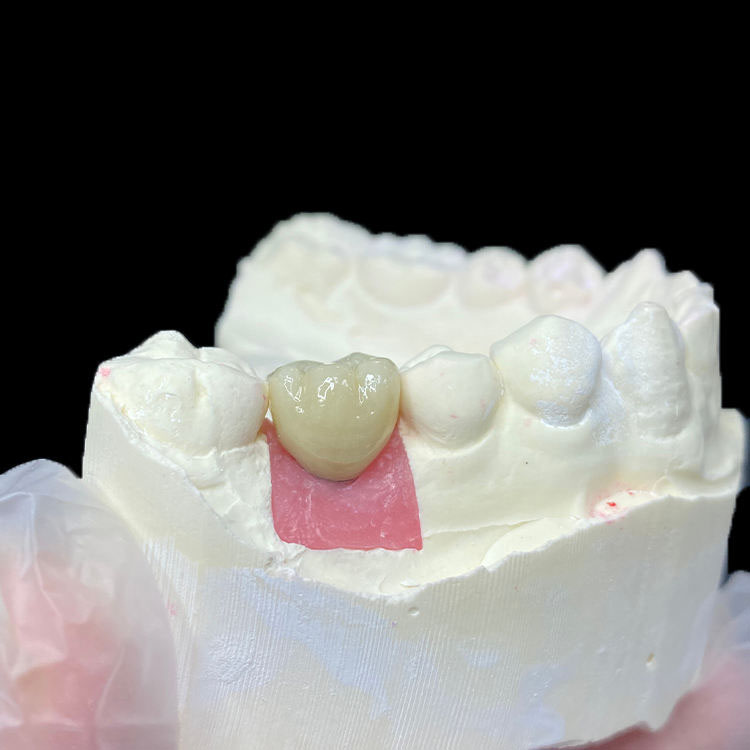
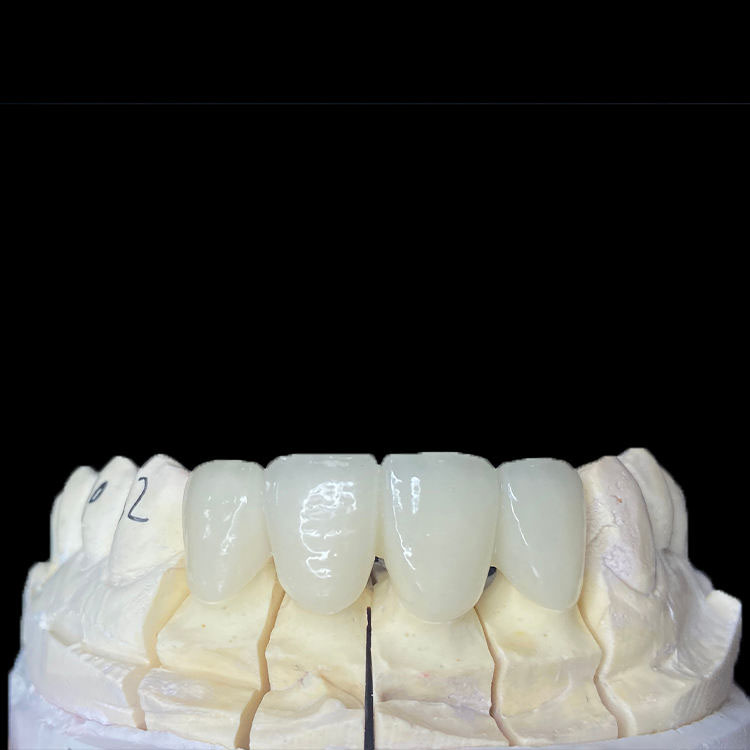
Wenn ich mich für Zirkoniumdioxid entscheide, insbesondere für moderne Gradientenmaterialien, die 3Y-TZP in der Dentin-Zone mit transluzenteren oberen Zonen kombinieren, möchte ich einen sauberen, runden, sichtbaren Rand, der sowohl für den Scanner als auch für das Fräswerkzeug gut lesbar ist, denn Zirkoniumdioxid toleriert konservative Abmessungen besser als E.max, hasst aber immer noch scharfe Innenecken, schlampige Diskontinuitäten und falsche “Minimal-Prep”-Federkanten, die nur auf Screenshots gut aussehen. Wenn es sich um einen posterioren oder funktionslastigen Fall handelt, würde ich mich lieber auf eine disziplinierte Fase oder eine abgerundete Schulter stützen und das Material das tun lassen, wofür es gebaut wurde, als einem hochbelasteten Zahn eine heikle ästhetische Schrift aufzuzwingen. Vollkonturierte Mehrschicht-Zirkonoxid-Restaurationen und Kronengehäuse aus geschichtetem Zirkoniumdioxid sind die beiden internen Referenzen, die dieser Logik auf dieser Website am besten entsprechen.
Hier ist die harte Wahrheit, von der ich mir wünschte, dass mehr Labors sie laut aussprechen würden: Zirkoniumdioxid-Stärke hebt die Disziplin in der Endfertigung nicht auf. A 2020 systematische Überprüfung im PMC stellte fest, dass Schulterabschlüsse bei zahngetragenen Einzelkronen aus Zirkoniumdioxid eine etwas bessere Randpassung aufweisen als Hohlkehlabschlüsse, und in einer PubMed-indizierten Studie wurde über kleinere Randspalte bei Schulterabschlüssen als bei Hohlkehlen bei CAD/CAM-Zirkoniumdioxidkronen berichtet. Das bedeutet nicht, dass die Fase tot ist. Es bedeutet, dass Zirkoniumdioxid stark ist, nicht magisch.
Das Design des E.max-Kronenrandes ist weniger fehlerverzeihend als zugegeben wird
Schönheit hat Bedingungen.
E.max ist eine Lithium-Disilikat-Glaskeramik, Li₂Si₂O₅, und ich denke, der Markt unterschätzt immer noch, wie sehr das Material von einer respektablen Marge abhängt, denn sobald man anfängt, “minimale Vorbereitung” als universellen Lebensstil zu verkaufen, anstatt ein genau definiertes Protokoll zu verwenden, lädt man dünne zervikale Keramik, Überkonturierung, kompromittierte Emergenz und die Art von höflicher Chairside-Frust ein, die später dem Labor angelastet wird. Wenn Sie die laborseitige Version dieses Arguments hören wollen, Artist Dental Lab hat bereits zwei Seiten, die den ruhigen Teil deutlich machen: Mindestreduktion für E.max Kronen und Unterschiede in der Oberflächenbehandlung zwischen E.max und Zirkoniumdioxid. Ich würde unbedingt beide als unterstützende interne Links in diesem Artikel verwenden.
Sogar die offizielle Pro-Minimal-Leitlinie ist konservativer als viele Vermarkter. Das Dokument von Ivoclar über adhäsive 1-mm-Kronen verlangt immer noch eine 1,0-mm-Schulter oder Abschrägung und knüpft diese reduzierte Dicke an die adhäsive Zementierung. Das ist eine Bedingung, kein Erlaubnisschein. Im Klartext: E.max-Ränder sollten glatt, abgerundet, lesbar und ausreichend breit sein. Ich glaube nicht, dass ein Federrand in der Nähe von Lithiumdisilikatkronen mit voller Deckkraft angebracht ist, es sei denn, jemand entschuldigt sich gerne für die Masse, die Spannungskonzentration oder beides.
Und dafür gibt es einen Grund im Arbeitsablauf. Die E.max Krone Seite Stumpffarbe, Randbemerkungen, Fotos und Okklusionsanleitung, während der Beitrag über zahnärztlich-technische Kommunikation bei ästhetischen Frontzahnrestaurationen bringt es auf den Punkt: Gute ästhetische Fälle scheitern in der Regel im Vorfeld, lange bevor die Krone ein physisches Objekt wird. Das ist genau der Grund, warum E.max-Ränder in Schwierigkeiten geraten. Der Rand ist in Ordnung. Die Übergabe ist es nicht.
Was die Beweise sagen, wenn die Broschüren schweigen
Zahlen sind wichtig.
A 2024 BMC-Studie zur Mundgesundheit Ein Vergleich von vertikalen und modifizierten vertikalen Präparationen ergab, dass die Randanpassung sowohl von Lithiumdisilikat- als auch von Zirkoniumdioxidkronen unabhängig von der Präparationsgestaltung klinisch akzeptabel blieb, aber eine modifizierte vertikale Präparation mit einer umgekehrten Schulter verbesserte die Bruchfestigkeit, und Zirkoniumdioxid zeigte immer noch eine höhere Bruchfestigkeit als Lithiumdisilikat. Das ist eine nützliche Erinnerung: Sie können mit neueren Ideen für die Oberflächengestaltung spielen, aber das Material behält immer noch den Überblick.
A 2025 retrospektive Kohortenstudie in PMC berichteten über eine kumulative 5-Jahres-Überlebensrate von 94,0% für Zirkoniumdioxid und 89,0% für Lithiumdisilikat, mit niedrigeren technischen Komplikationsraten für Zirkoniumdioxid, einschließlich weniger Frakturen. Auch hier bedeutet dies nicht, dass E.max die “schlechtere” Krone ist. Es bedeutet, dass bei der Gestaltung der Ränder berücksichtigt werden muss, wozu das Material tatsächlich in der Lage ist.
Wenn ich das Marketing weglasse, sieht der Vergleich so aus. Die unten aufgeführten Dimensionen spiegeln die herstellerspezifischen Zahlen wider, die in den aktuellen Ivoclar-Materialien für IPS e.max CAD Adhäsivkronen (1 mm) und IPS e.max ZirCAD Prime Einzelkronen/3-gliedrige Brücken genannt werden, sowie das Muster, das in der aktuellen Literatur zu Passung und Überlebensrate zu finden ist.
Attribut
Zirkoniumdioxid-Kronen
E.max Kronen
Margendesign, dem ich am meisten vertraue
Abgerundete Schulter oder saubere Fase
Abgerundete Schulter oder starke Fase
Typische Randbreite aus den aktuellen Herstellerangaben
0,8 mm für IPS e.max ZirCAD Prime Einzelkronen / 3-gliedrige Brücken
Meine stumpfe Regel für Schulter vs. abgeschrägte Kronenränder
Hören Sie auf, Slogans nachzujagen.
Ich glaube nicht, dass Zirkoniumdioxid automatisch eine Fase und E.max automatisch eine Schulter bedeutet. Das ist zu einfach, und die Zahnmedizin wird teuer, wenn einfache Menschen auf komplexe Zähne treffen. Was ich denke, ist Folgendes: Zirkoniumdioxid gibt mir mehr Spielraum, um konservativ zu arbeiten, solange die Endlinie durchgängig, abgerundet und lesbar bleibt; bei E.max bin ich weniger tolerant gegenüber Zweideutigkeiten, also möchte ich einen Rand, der die Keramikmasse eindeutig unterstützt und das Labor nicht zu einer dünnen, zerbrechlichen zervikalen Vermutung zwingt.
Wenn ich Zirkoniumdioxid lehne
Der hintere Druck ändert alles.
Wenn der Zahn echte Arbeit leistet, wenn der interokklusale Raum eng ist, wenn der Patient zu den nächtlichen Knirschern gehört, die sagen: “Ich beiße nicht”, während sie Facetten aus dem Lehrbuch tragen, oder wenn der Fall in der unübersichtlichen Mitte zwischen Ästhetik und Bestrafung angesiedelt ist, fühle ich mich viel wohler, wenn ich um eine Zirkoniumdioxid-Randlogik herum baue und eine Quervernetzung zur Vollkonturierte mehrschichtige Zirkoniumdioxid-Restaurationen oder wenn vordere Kosmetik noch wichtig ist, Kronengehäuse aus geschichtetem Zirkoniumdioxid. Das ist keine Angst. Das ist Fallmathematik.
Wenn ich E.max lehne
Das Lichtverhalten ist immer noch wichtig.
Wenn der Fall im Frontzahnbereich liegt, die Stumpffarbe handhabbar ist, die Vorbereitung ehrlich ist und der Anwender den adhäsiven Arbeitsablauf nicht wie ein Postskriptum behandelt, besitzt E.max immer noch einen optischen Vorteil, den Zirkonoxid nicht immer vortäuschen kann. E.max Krone Arbeitsablauf und Mindestreduktion für E.max Kronen macht in einem Stück wie diesem durchaus Sinn. Aber ich würde diese Entscheidung nur dann treffen, wenn die Randgestaltung das Material unterstützt, anstatt mit ihm zu argumentieren.
Wenn ich das Material ändere, anstatt den Rand zu erzwingen
Dies geschieht häufig.
Wenn die verfügbare Reduktion zu mager für Lithiumdisilikat ist, wenn die Ziellinie unklar ist, wenn sich bereits eine zervikale Masse abzeichnet, bevor der Scan überhaupt verschickt wurde, oder wenn der Fall Festigkeit und Ästhetik in einem Satz braucht, würde ich lieber den Kronenplan ändern, als E.max zu einer Aufgabe zu zwingen, für die Zirkonoxid besser geeignet ist. Das ist auch der Grund, warum der Artikel über Koordinierung des vorderen und hinteren Materials gehört als interner Link hierher. Er sagt den Lesern, dass sie aufhören sollen, den ganzen Mund wie eine einzige Keramikideologie zu behandeln.
FAQs
Welches ist das beste Randdesign für Zirkonoxidkronen?
Das beste Design für einen Kronenrand aus Zirkoniumdioxid ist eine klar definierte, abgerundete Schulter oder eine saubere Fase, die eine angemessene Dicke, eine glatte innere Form und eine lesbare Kontinuität der Abschlusslinie bewahrt, da Zirkoniumdioxid konservative Abmessungen besser toleriert als Lithiumdisilikat, aber immer noch die beste Leistung erbringt, wenn die Kante sauber, fräsbar und vollständig unterstützt ist. Ich akzeptiere in der Regel beide Geometrien, aber ich vertraue dem Gehäuse nicht mehr, sobald die Linie ausgefranst ist oder die Vorbereitung in eine falsche Federkante übergeht.
Welches ist die beste Randgestaltung für E.max-Kronen?
Das beste E.max Kronenranddesign ist eine glatte, abgerundete Schulter oder eine gut geformte Hohlkehle mit genügend Keramikmasse, um dünne, nicht unterstützte zervikale Ränder zu vermeiden, denn Lithiumdisilikat belohnt optische Kontrolle und adhäsive Disziplin, verzeiht aber weniger, wenn der Rand zu dünn, vage oder zu sehr als “minimale Vorbereitung” versprochen wird. Meine Einstellung ist einfach: Wenn die Vorbereitung die Kante nicht wirklich unterstützen kann, höre ich auf zu versuchen, die Materialwahl zu retten.
Ist eine Schulter oder eine Abschrägung bei Zirkonoxidkronen besser?
Schulter vs. Hohlkehle bei Zirkonoxidkronen ist ein Vergleich zwischen zwei akzeptablen Ausführungsformen, wobei Schulterränder in der Literatur oft eine etwas bessere Randanpassung aufweisen, während Hohlkehlenränder weitgehend brauchbar bleiben, wenn sie glatt und durchgängig sind und mit der richtigen Wandstärke und Frästoleranz kombiniert werden. Ich betrachte dies nicht als Religion. Ich behandle es wie Risikomanagement.
Kann man E.max Kronen auf Federrändern verwenden?
E.max-Kronen auf Federrändern sind im Allgemeinen keine gute Idee, da Lithium-Disilikat-Restaurationen mit voller Deckkraft eine definierte, unterstützende Abschlusslinie benötigen, die die Keramikdicke bewahrt, dem Labor hilft, den Rand genau zu lesen, und eine zervikale Ausdünnung vermeidet, die Bulk, Spannungskonzentration oder eine beeinträchtigte Randintegrität auslösen kann. Einige Kliniker versuchen es immer wieder. Ich würde die Kosten für die Neuanfertigung lieber niedrig halten.
Wie sieht es mit der Randadaption zwischen Zirkonoxid- und E.max-Kronen aus?
Eine geringfügige Anpassung von Kronen aus Zirkoniumdioxid und E.max ist im Allgemeinen klinisch akzeptabel, wenn beide Materialien ordnungsgemäß präpariert, gescannt, gefräst und zementiert werden. Die Literatur zeigt jedoch, dass das Design der Oberflächengestaltung immer noch eine Rolle spielt, wobei Zirkoniumdioxid in Passungsstudien oft einen leichten Schultervorteil aufweist, während beide Materialien empfindlich auf schlampige Präparation und Zementierung reagieren. Die Anpassung ist also nicht nur eine Frage der Materialqualität“. Es ist eine Frage des Arbeitsablaufs mit einer Materialmaske.
Ihr nächster Schritt
Führen Sie zuerst die vorbereitende Prüfung durch.
Wenn Sie Inhalte, Rezepte oder Standards für die Fallauswahl rund um Zirkonoxidkronen im Vergleich zu e.max-Kronen erstellen, veröffentlichen Sie keinen weiteren Soft-Focus-Absatz über “Festigkeit” und “Schönheit”, bevor Sie nicht die Logik der Ziellinie festgeschrieben haben, denn dort beginnt das eigentliche Risiko einer Neuauflage. Bei Artist Dental Lab würde ich die Leser auf die Seite E.max Krone Arbeitsablauf, Vollkonturierte mehrschichtige Zirkoniumdioxid-Restaurationen, Kundenfälle und Erfolgsgeschichten, und OEM / ODM Dienstleistungen damit sie in einer Sitzung das Material, den Arbeitsablauf und die wirtschaftliche Realität vergleichen können. Und wenn ich das Labor wäre, würde ich nach STL-Dateien, Stumpffarben, Randnotizen, okklusalen Leitlinien und ästhetischen Zielen fragen, bevor ich jemandem verspreche, dass ein Randdesign für jede Krone passt.