가격 및 샘플 지원 요청
지르코니아 크라운, 리튬 디실리케이트 크라운, 베니어, OEM 서비스 또는 도매 수복물 주문을 비교하고 있는 치과 기공소, 치과 진료소, 유통업체 및 조달 담당자분들을 위한 정보입니다.
귀사의 제품 유형, 소재, 월간 생산량, 수출 대상국 및 샘플 요청 사항을 알려주시면, 당사 영업팀이 적절한 후속 조치를 준비할 수 있습니다.

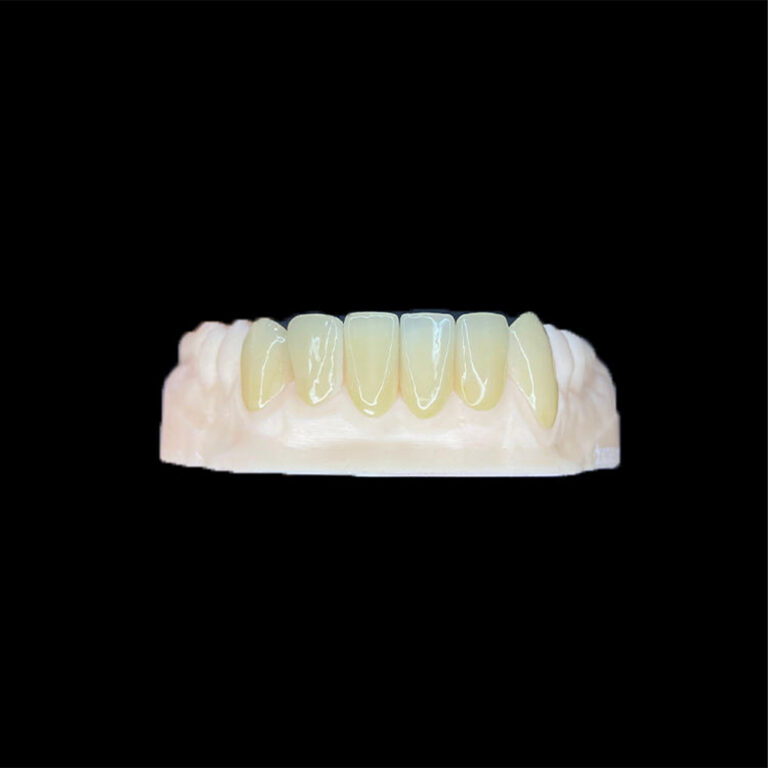
Saliva phosphates can weaken zirconia veneer bonding after try-in. Compare cleaning pastes, air abrasion and rinses, and learn what to confirm before cementation.
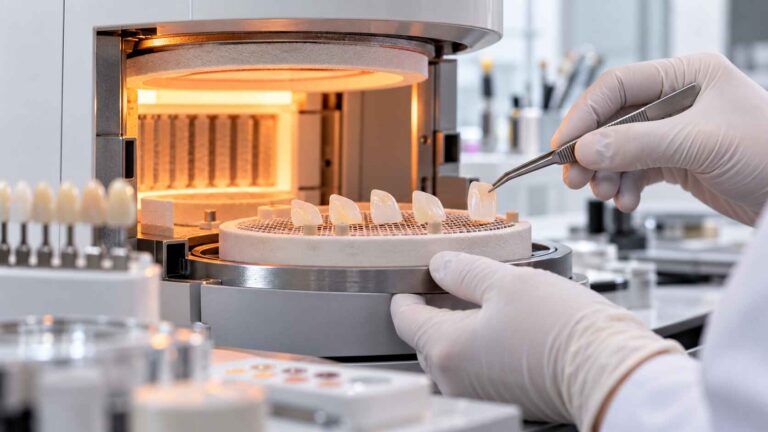
결정화 소성은 베니어의 밀착도에 미세한 변화를 주고 색상에 영향을 미칠 수 있지만, 블록 선택, 두께, 잔치아, 접착제, 추가 소성 횟수 등도 중요한 요소입니다. 기공소와 함께 확인해야 할 사항을 살펴보세요.
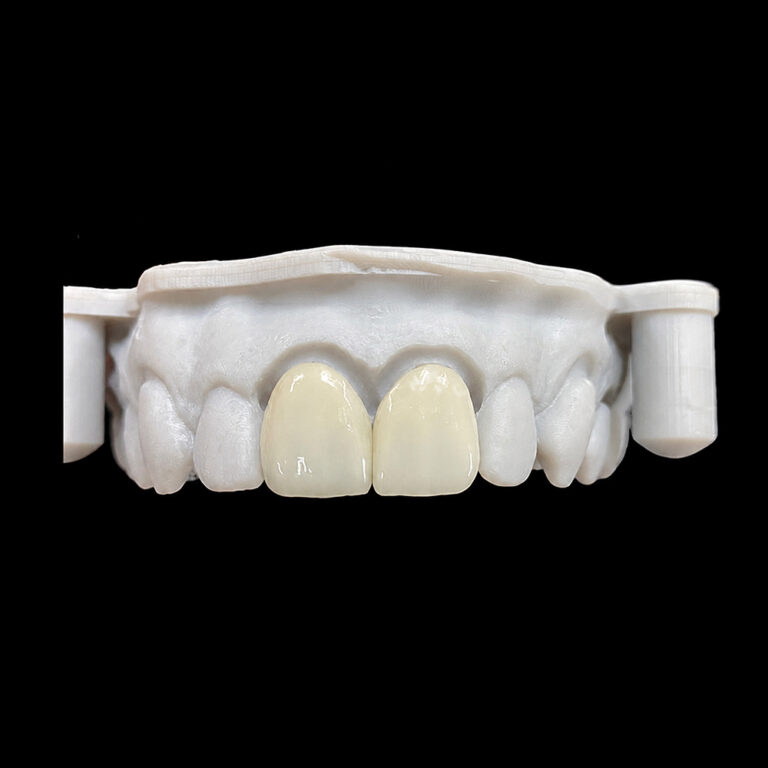
밀링 가공된 E.max 베니어의 가장자리 파손은 대개 가장자리가 얇거나, 공구 상태 문제, 또는 스캔 데이터 누락에서 기인합니다. 파손이 시작된 지점을 파악하는 방법을 알아보세요.
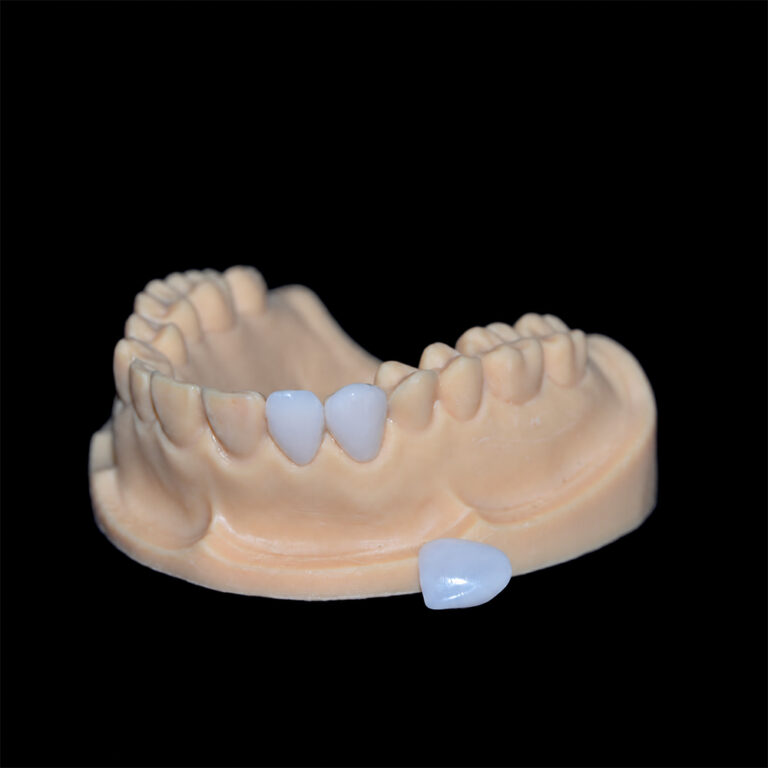
리튬 디실리케이트 베니어의 인타글리오 표면을 연마하면 두께가 줄어들고, 결함이 생기며, 에칭 처리된 접착 표면이 벗겨집니다. 언제 수정을 해야 하고, 언제 반품해야 하는지 알아보세요.
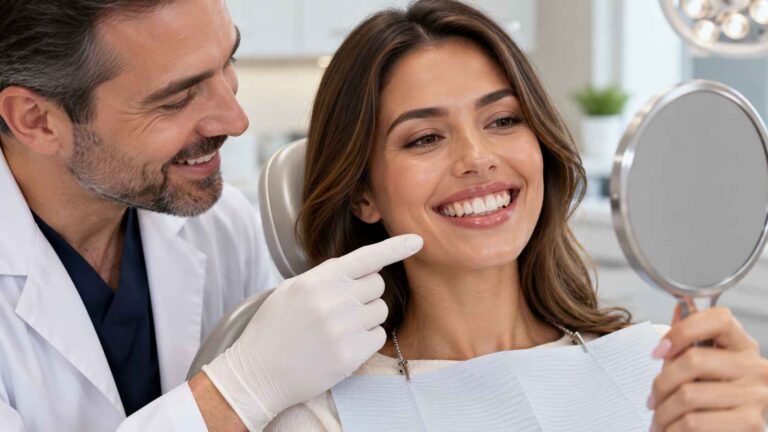
자연 치아의 송곳니는 앞니보다 색이 더 어둡고 채도가 높은 경우가 많습니다. 명도, 채도, 기질 색상을 각각 따로 고려할 때 E.max 베니어의 색상 매칭이 실패하는 이유를 알아보고, 세라믹 수복물과 미수복 치아 사이에 자연스러운 경계를 만드는 방법을 확인해 보세요.
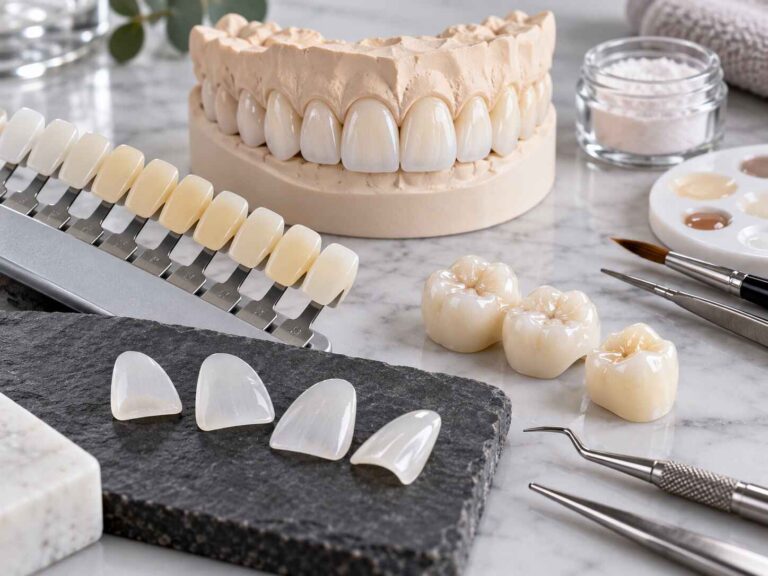
기존 세라믹 크라운에 E.max 베니어를 매칭하는 데는 단순히 같은 색상을 선택하는 것 이상의 과정이 필요합니다. 치아 본연의 색상, 리튬 디실리케이트의 반투명도, 세라믹 두께, 레진 시멘트, 그리고 기공소에서의 특성화가 최종 결과에 어떤 영향을 미치는지, 그리고 불일치를 방지하는 방법에 대해 발표된 연구 결과가 무엇을 밝히고 있는지 알아보세요.
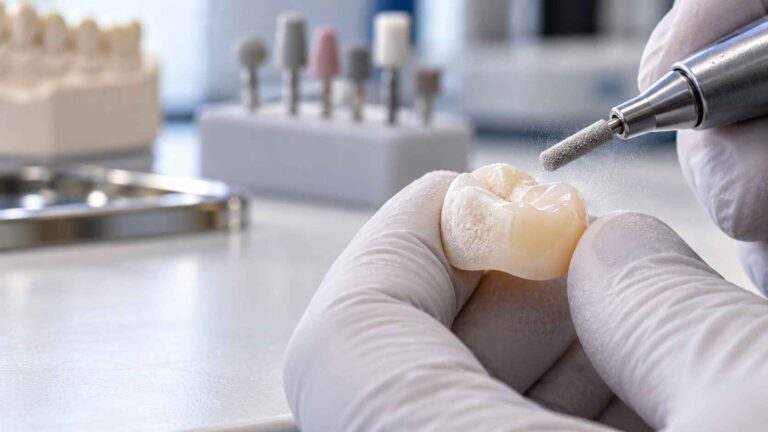
E.max Press 반응층 제거는 단순한 세척 단계 그 이상입니다. 연구 결과에 따르면 잔류 투자재, 과도한 샌드블라스팅, 부적절한 표면 전처리가 왜 주의가 필요한지, 그리고 최고의 치과 기공소들이 외관만으로 수복물을 평가하기보다 이 공정을 철저히 관리하는 이유가 밝혀졌습니다.
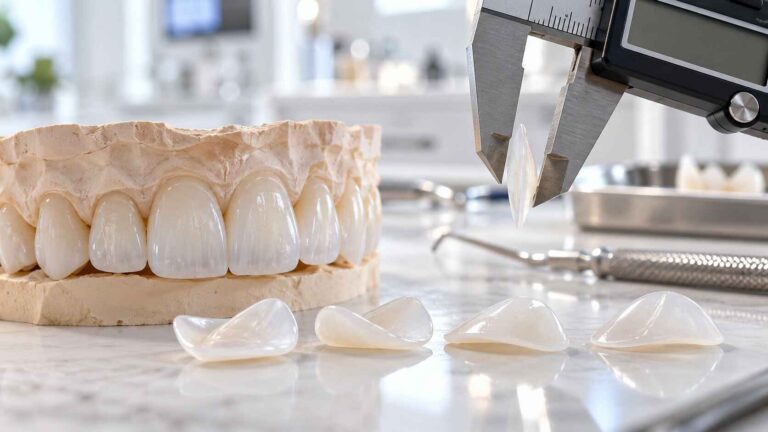
0.4mm 두께의 지르코니아는 충분히 두꺼운가요? 제조사 사양, 실험실 파절 데이터, 그리고 치과 전문가를 위한 실무 지침을 바탕으로 3Y, 4Y, 5Y 지르코니아 베니어의 최소 두께를 비교해 보세요.
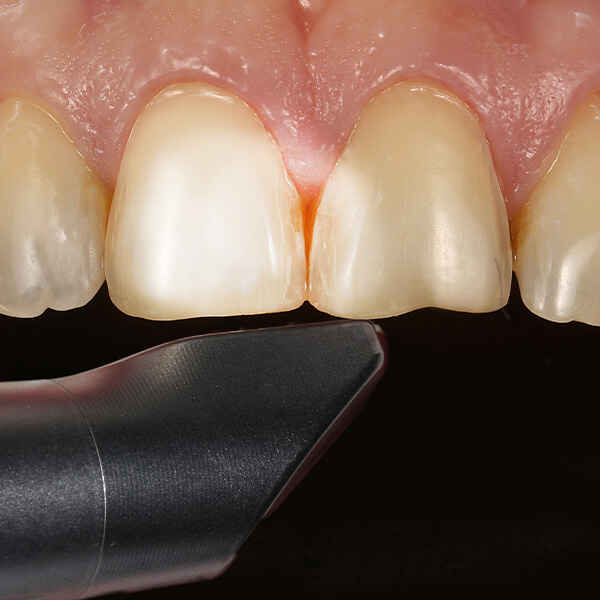
디지털 모델이 완성된 것처럼 보일지라도, 구강 내 스캔 과정에서 얇은 베니어 마감선이 사라질 수 있습니다. 마진 정확도에 대한 임상 연구 결과가 무엇을 보여주는지, 그리고 세라믹 베니어 제작을 위해 신뢰할 수 있는 스캔 데이터를 확보하는 방법을 알아보세요.
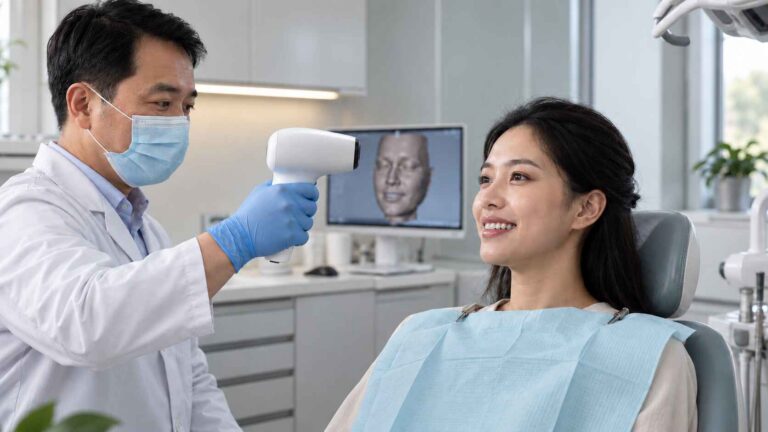
안면 스캔은 얼굴의 미소를 보여주고, 구강 내 스캔은 치아의 기하학적 구조를 제공합니다. 어려운 작업은 바로 이 두 데이터 세트가 결합되는 단계에서 이루어집니다. 여기서는 정합을 평가하고, 연구 결과를 해석하며, 검증된 베니어 디자인을 화면에서 실험실로 옮기는 방법을 설명합니다.
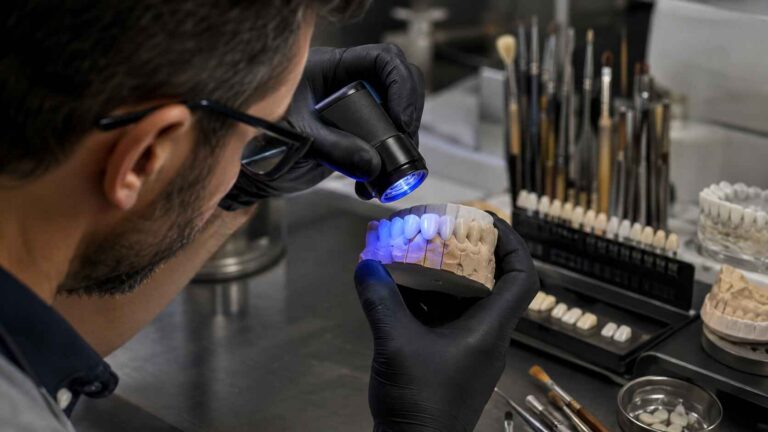
E.max 베니어는 일반 조명 아래에서는 완벽하게 어울리지만, 자외선 파장이 실내로 유입되면 다른 특성을 보입니다. 본 글에서는 리튬 디실리케이트 선택과 세라믹 두께부터 형광 레이어링, 특성 부여, 유약, 그리고 종종 간과되는 레진 시멘트의 영향에 이르기까지, 치과 기공소에서 실제로 제어할 수 있는 요소들을 살펴봅니다.
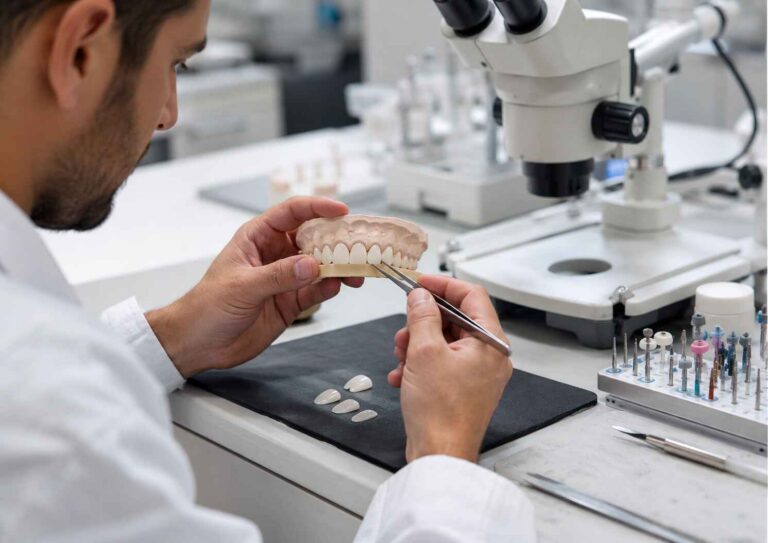
초박형 베니어는 시멘트 접착 시 실수할 여지가 거의 없습니다. 장착 압력, 레진 점도, 치아 준비 형태, 내부 밀착도, 작업 시간, 과잉 시멘트의 유출 등은 모두 최종 시멘트 층에 영향을 미칩니다. 다음은 발표된 연구 결과가 실제로 알려주는 내용이며, 단순히 “더 세게 누르는 것”이 신뢰할 수 있는 접착 프로토콜이 아닌 이유를 설명합니다.