価格・サンプルに関するお問い合わせ
ジルコニアクラウン、二ケイ酸リチウムクラウン、ベニア、OEMサービス、あるいは修復物の卸売り注文を比較検討している歯科技工所、歯科医院、販売代理店、および調達担当者の方へ。.
取り扱い製品の種類、素材、月間販売数量、輸出先国、およびサンプルのご要望をお知らせください。営業チームが適切な対応策を講じることができます。.

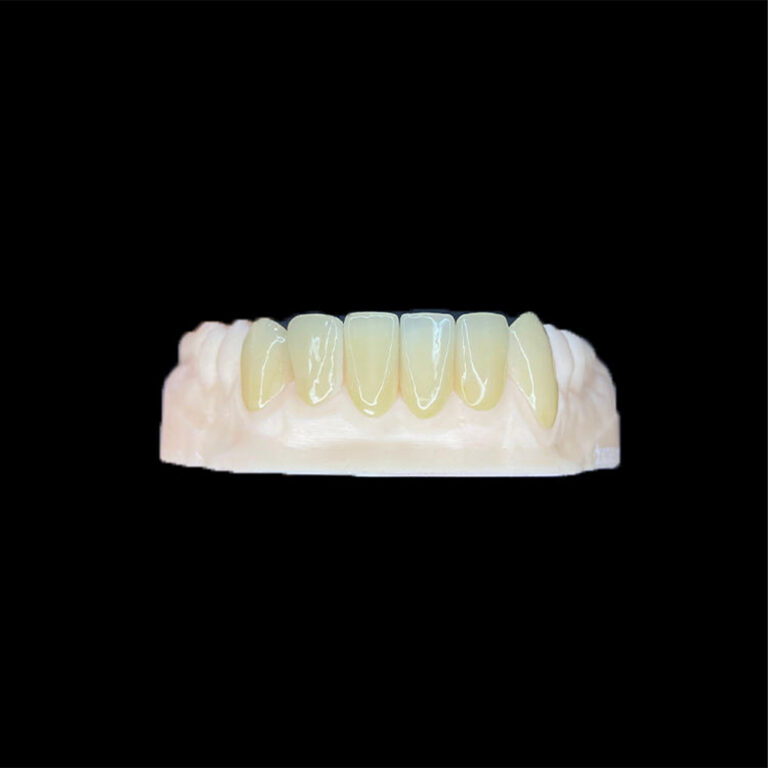
Saliva phosphates can weaken zirconia veneer bonding after try-in. Compare cleaning pastes, air abrasion and rinses, and learn what to confirm before cementation.
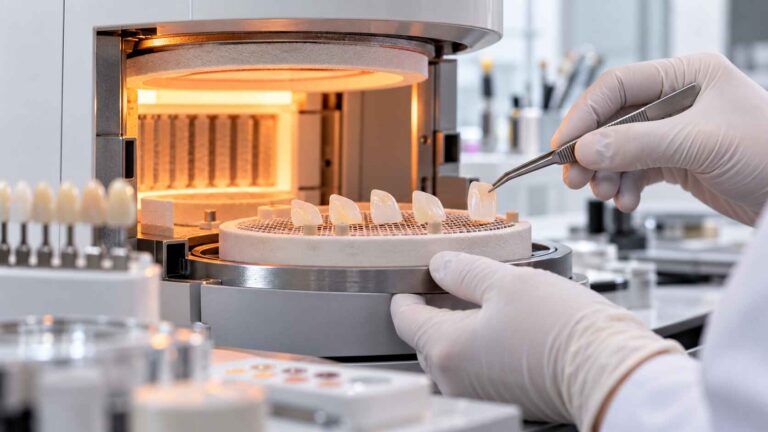
結晶化焼成はベニアのフィット感にわずかな影響を与え、色調にも影響を及ぼす可能性がありますが、ブロックの選定、厚み、残根、セメント、および追加の焼成も重要な要素となります。歯科技工所と確認すべき事項をご確認ください。.
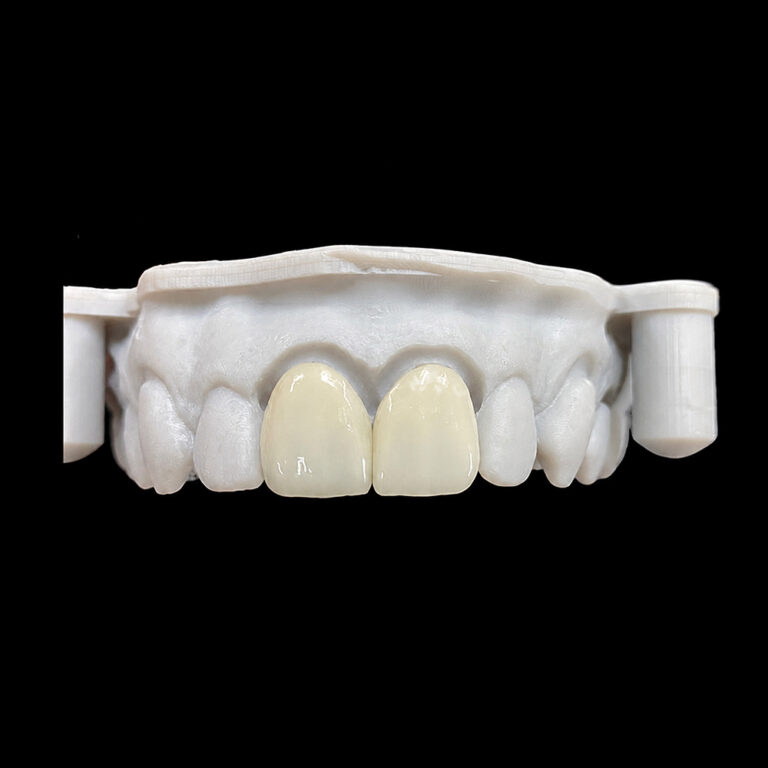
E.maxミリングベニアの欠けは、通常、エッジが薄いこと、工具の状態、またはスキャンデータの欠落に起因します。欠けが始まった箇所を特定する方法について学びましょう。.
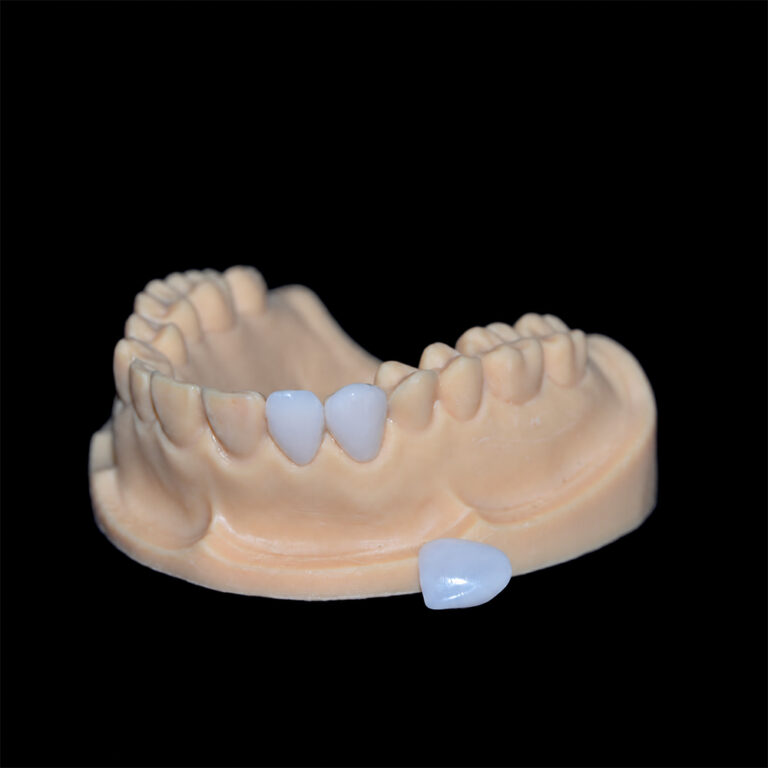
二ケイ酸リチウムベニアの凹版面を研磨すると、厚みが失われ、欠陥が生じ、エッチング処理された接着面が剥がれてしまいます。調整すべき場合と返品すべき場合を見極めましょう。.

天然の犬歯は、切歯に比べて色が濃く、彩度が高いことがよくあります。明度、彩度、基底色を個別に扱うと、E.maxベニアの色調合わせが失敗してしまう理由と、セラミック修復物と未処置の歯との間に自然な移行を実現する方法について学びましょう。.
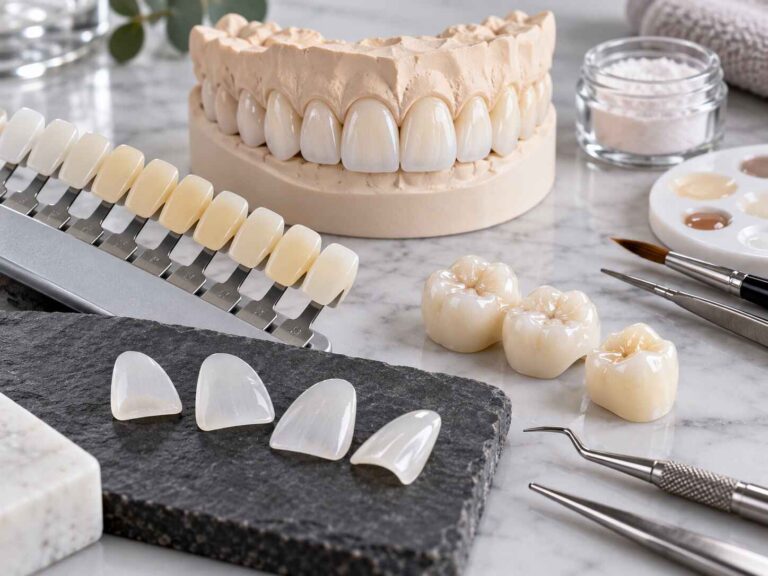
E.maxベニアを既存のセラミッククラウンに合わせるのには、単に同じ色調を選ぶだけでは不十分です。下地となる歯の色、二ケイ酸リチウムの透過性、セラミックの厚さ、レジンセメント、および歯科技工所での特性調整が、最終的な仕上がりにもたらす影響について学びましょう。また、色調の不一致を防ぐために、公表されている研究がどのような知見を示しているかについても解説します。.
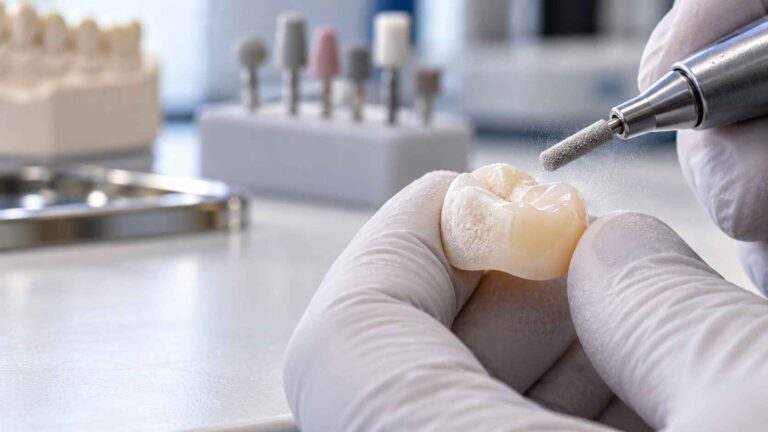
E.max Pressの反応層除去は、単なる洗浄工程以上のものです。研究結果から、残存する鋳造材、過度なサンドブラスト処理、不適切な表面処理がなぜ注意を要するのか、そして優れた歯科技工所が、修復物を外観だけで判断するのではなく、この工程を適切に管理している理由が明らかになっています。.
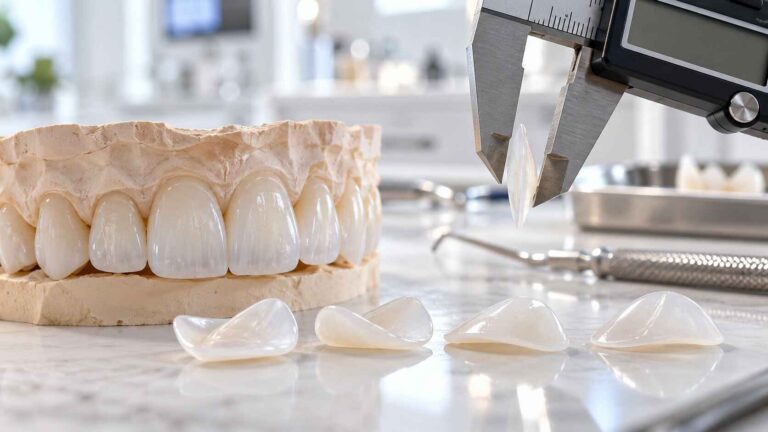
0.4 mmのジルコニアは十分な厚さでしょうか? メーカーの仕様、歯科技工所での破折データ、および歯科専門家向けの実践的な指針を用いて、3Y、4Y、5Yのジルコニアベニアの最小厚さを比較します。.
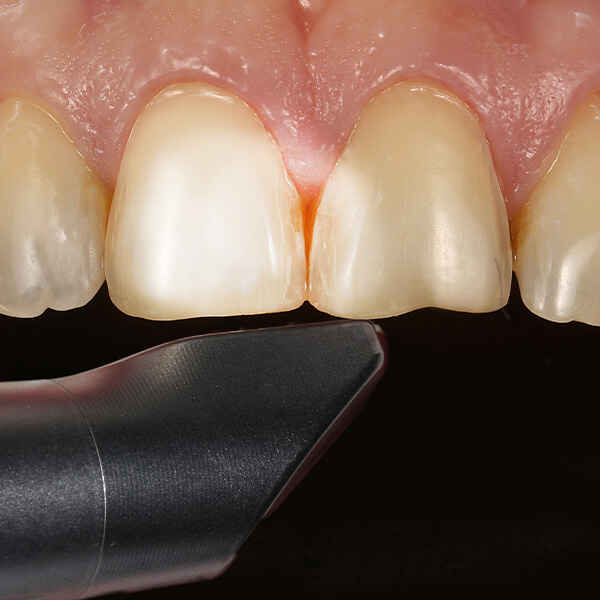
デジタルモデルが完成しているように見えても、口腔内スキャン中に薄いベニアの仕上げラインが消失してしまうことがあります。マージンの精度に関する臨床研究の結果と、セラミックベニアの製作に向けて信頼性の高いスキャンデータを取得する方法について学びましょう。.
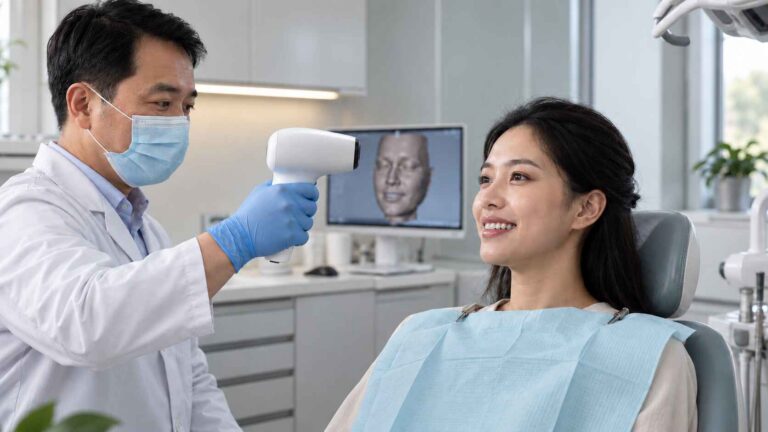
顔面スキャンでは顔の笑顔が捉えられ、口腔内スキャンでは歯の形状データが得られます。難しい作業は、これらのデータセットが統合される段階で発生します。ここでは、位置合わせの評価方法、研究結果の解釈、そして検証済みのベニアデザインを画面上から歯科技工所へと反映させる手順について解説します。.
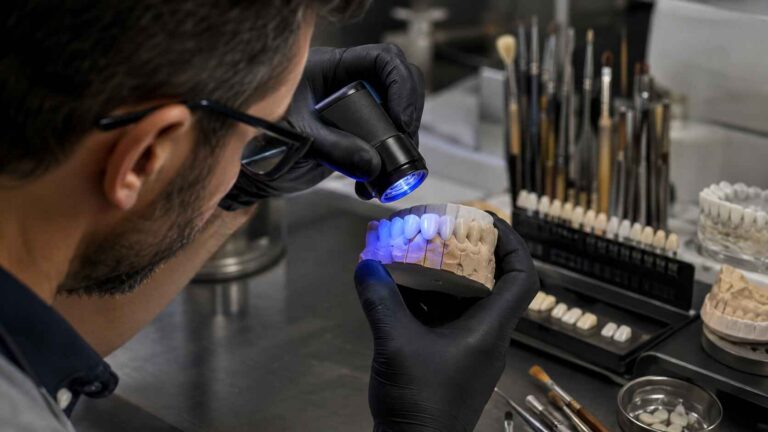
E.maxベニアは、通常の光の下では完璧に調和しますが、紫外線が室内に差し込むと異なる挙動を示します。本稿では、リチウムジシリケート材の選定やセラミックの厚さから、蛍光レイヤリング、キャラクター化、釉薬、そして見過ごされがちなレジンセメントの影響に至るまで、歯科技工所が実際に制御できる要素について検証します。.
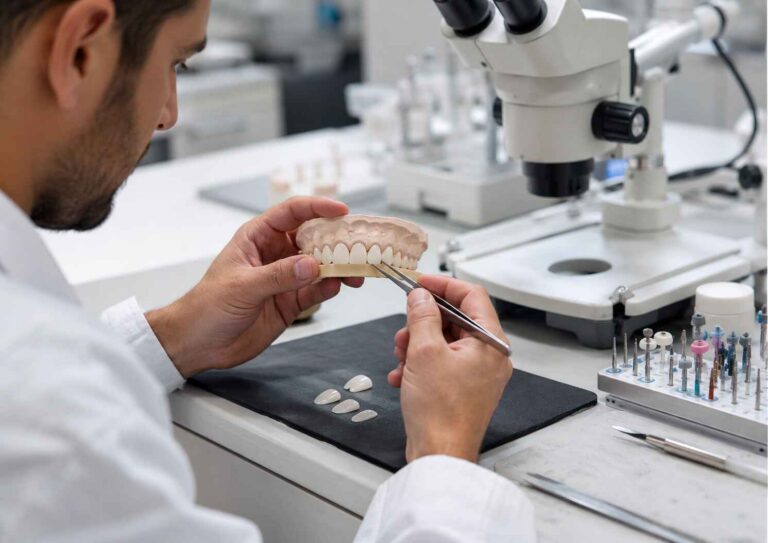
極薄のベニアでは、セメント充填時のミスを許容する余地がほとんどありません。装着時の圧力、レジン粘度、形成形状、内部適合性、作業時間、そして余分なセメントの排出など、これらすべてが最終的なセメント層に影響を与えます。ここでは、公表されている研究結果から実際に何がわかるのか、そして単に「強く押し付ける」だけでは信頼できるセメント充填プロトコルとはならない理由について解説します。.