Richiedi informazioni sui prezzi e assistenza per i campioni
Per laboratori odontotecnici, cliniche, distributori e team di approvvigionamento che desiderano confrontare corone in zirconia, corone in disilicato di litio, faccette, servizi OEM o ordini all’ingrosso di restauri.
Indicaci il tipo di prodotto, il materiale, il volume mensile, il paese di destinazione e la richiesta di campioni, in modo che il nostro team commerciale possa prepararti la soluzione più adatta.
Struttura superficiale delle faccette: come abbinare età, espressione e personalità
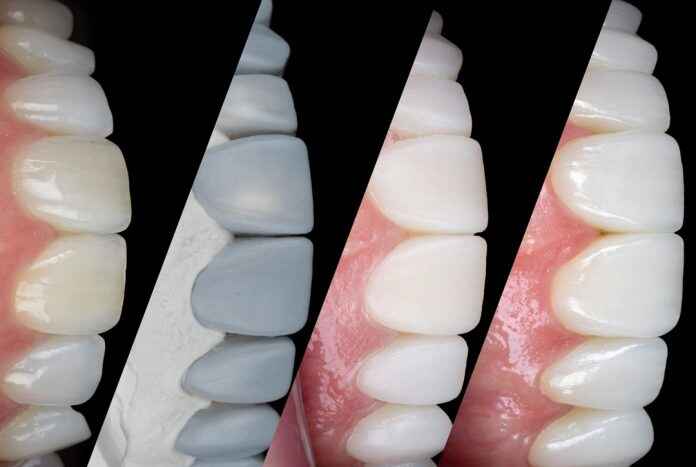
La texture superficiale delle faccette dentali dovrebbe riprodurre il profilo facciale, i dettagli dello sviluppo, l’usura e la lucentezza propri del paziente, sostenendo al contempo l’espressione che il paziente ha approvato. L’età può fungere da punto di partenza. La personalità può guidare il dialogo. Nessuno dei due elementi dovrebbe sostituirsi alle fotografie, ai video, ai denti adiacenti, alle faccette provvisorie o al consenso informato.
La consistenza cambia tutto.
Sotto la luce dei LED dello studio dentistico, alla luce del giorno, sotto l’illuminazione del bagno, con il flash di uno smartphone e a causa del movimento delle labbra, due faccette realizzate con la stessa ceramica e della stessa tonalità possono apparire completamente diverse, poiché gli angoli delle linee, i lobi facciali, la microstruttura e la lucentezza rifrangono la luce in modo diverso.
Allora perché su così tante prescrizioni c'è ancora scritto solo “A1, consistenza naturale”?
La mia risposta schietta è che la tonalità è facile da definire. La consistenza, invece, costringe il dentista e il tecnico a definire quale dovrebbe essere l’aspetto effettivo del paziente.
Un rivestimento viene interpretato come un motivo di riflessione
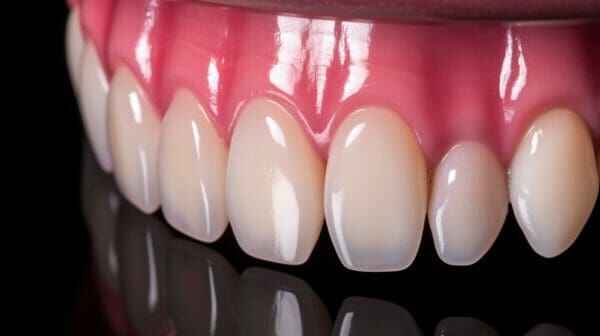
Lo smalto naturale non è una superficie bianca e liscia. La sua struttura minerale è costituita principalmente da idrossiapatite, Ca₁₀(PO₄)₆(OH)₂, disposta in una superficie che presenta lobi di sviluppo, depressioni poco profonde, perikymata, faccette di usura, angoli lineari e aree con diversa lucentezza.
L'occhio non esamina queste caratteristiche singolarmente, ma ne rileva il modello di riflessione che esse creano.
Una superficie facciale ampia e piatta produce un riflesso esteso e può far apparire l’incisivo centrale più largo, più luminoso e più prominente. Spostando la linea di transizione verso l’interno si restringe la zona riflettente e lo stesso dente appare visivamente più sottile. Una forte texture orizzontale può accorciare visivamente una corona, mentre una direzione verticale della superficie può accentuare l’impressione di lunghezza.
Ecco perché la texture della superficie dentale non può essere considerata un elemento decorativo aggiunto una volta definita la tonalità. Essa modifica la percezione:
La progettazione di faccette dentali adeguate all’età parte dai dati scientifici
L'età lascia tracce.
Dall’adolescenza fino alla tarda età adulta, l’usura degli incisivi, l’eruzione passiva, l’attrito prossimale, la posizione gengivale, le proporzioni della corona, la lunghezza del labbro e l’esposizione dei denti subiscono cambiamenti concomitanti; pertanto, riprodurre la superficie di un incisivo centrale di un ventenne, non ancora soggetto a usura, su un sorriso maturo può creare un evidente disallineamento biologico.
Perché dovremmo aspettarci che la sola data di nascita indichi al laboratorio quali dettagli siano stati conservati?
A Studio longitudinale osservazionale del 2023 sono stati esaminati modelli dentali di 23 soggetti non sottoposti a trattamento all’età di circa 13, 17 e 61 anni. Nel corso di tale periodo, i ricercatori hanno riscontrato variazioni nelle proporzioni tra larghezza e altezza delle corone anteriori, nell’angolazione mesiodistale, nei gradini gengivali e nei gradini incisali.
Il campione era di piccole dimensioni. Ciononostante, ha evidenziato un aspetto che il marketing cosmetico tende sistematicamente a ignorare: i denti anteriori non mantengono per sempre la geometria che avevano durante l’adolescenza.
Anche la cornice delle labbra cambia. A studio condotto su 265 adulti di età compresa tra i 19 e i 60 anni Lo studio, che ha coinvolto 122 uomini e 143 donne, ha rilevato che l’esposizione degli incisivi superiori diminuiva con l’età, in particolare negli uomini, mentre quella degli incisivi inferiori aumentava. Ciò non consente di stabilire una formula universale per le faccette. Dimostra perché un primo piano statico dei denti preparati non sia sufficiente.
Quale età può legittimamente influire
Per un design dall'aspetto più giovanile, potrei prendere in considerazione:
Lobi di sviluppo più definiti
Perikymata visibili ma controllati
Anatomia incisale più definita e meno usurata
Embrasure incisali più pronunciate
Lucidatura selettiva sulle zone convesse del viso
Una delicata traslucenza incisale anziché una fascia blu dipinta
Per un progetto ben strutturato, potrei prendere in considerazione:
Rilievo del viso ammorbidito
Microstruttura terziaria ridotta
Leggere tracce di usura
Bordi incisali meno regolari
Caratterizzazione dettagliata delle linee di craze, ove opportuno
Lucentezza più tenue o più selettiva
Minore impatto visivo a livello incisale
Ma questi sono punti di partenza, non regole. Un paziente di 62 anni potrebbe desiderare un sorriso volutamente ringiovanito. Un paziente di 28 anni che soffre di bruxismo potrebbe già presentare un’anatomia incisale appiattita. L’erosione, l’alimentazione, l’occlusione, la pulizia dentale, i restauri precedenti e le parafunzioni possono avere un’importanza maggiore rispetto all’età cronologica.
La mia regola è semplice: prima verificare le prove biologiche e poi l’indicazione dell’età.
L’espressività nasce dal movimento, non da un test della personalità a forma di dente
“Il termine ”espressione” descrive il comportamento dei denti all’interno del viso in movimento: quanto è evidente il predominio degli incisivi centrali durante il parlato, come il bordo incisale segue il labbro inferiore, se gli incisivi laterali ammorbidiscono la composizione e se i canini creano una transizione delicata o decisa.
La struttura della superficie contribuisce a tale effetto, determinando dove la luce si ferma, si diffonde o scompare.
Un paziente che desidera un sorriso “deciso” potrebbe preferire angoli delle linee più netti, embrasure contenute, canini ben definiti e un motivo riflettente più netto. Chi invece desidera un risultato “morbido” potrebbe preferire transizioni più arrotondate, canini meno sporgenti, una microstruttura delicata e riflessi che si attenuano gradualmente verso le superfici prossimali.
Queste descrizioni sono utili. Non sono diagnosi.
Il linguaggio della personalità utilizzato in questo settore spesso esagera. Si dice che i denti squadrati siano indice di sicurezza. Si dice che i denti arrotondati siano indice di calore. Si dice che i canini appuntiti siano indice di dominanza. Può sembrare convincente in uno studio dentistico, ma non ci sono prove a sostegno dell’idea che la morfologia dentale permetta di dedurre direttamente la personalità.
A Studio del 2025 condotto su 412 partecipanti ha effettivamente riscontrato delle associazioni tra i tratti di personalità dei “Big Five” e le preferenze relative a determinate caratteristiche del sorriso. Tuttavia, le correlazioni riportate erano modeste, comprese tra (r=0,112) e (r=0,147), e riguardavano le preferenze estetiche: non si tratta quindi di un metodo affidabile per tradurre la personalità in caratteristiche morfologiche dei denti.
Quella differenza è importante.
La personalità dovrebbe essere utilizzata per porre domande migliori:
Preferisci che le faccette si fondano con il viso o che sembrino progettate appositamente?
Preferisci i bordi incisali ben definiti o più arrotondati?
Il sorriso dovrebbe apparire sobrio, giovanile, audace o disinvolto?
Quale caratteristica del provvisorio approvato ti rispecchia di più?
Quale elemento ti sembra artificiale?
Quando dici “naturale”, a quale sorriso vero ti riferisci?
Le risposte del paziente dovrebbero quindi essere verificate su un modello di prova o su un provvisorio. Non dovrebbero essere tradotte direttamente in ceramica definitiva basandosi solo sull’intuizione.
Una matrice pratica per la caratterizzazione delle superfici delle impiallacciature
La matrice che segue è uno strumento di comunicazione, non un sistema di classificazione biologica.
Linee guida progettuali approvate
Macrocontorno e angoli delle linee
Microstruttura delle faccette dentali
Strategia di gloss
Rischio di guasto principale
Integrazione di un singolo dente
Copiare la larghezza riflettente e la convessità facciale del dente adiacente
Riprodurre in modo asimmetrico le scanalature visibili e i pericimati
Abbinare lo smalto adiacente per zona
Un rivestimento tecnicamente accattivante che sembra ancora un “dente storto”
Giovane ed espressivo
Lobi ben definiti, forma incisale intatta, embrasure aperte
Struttura fine e ben visibile, tipica dello sviluppo
Punti salienti selettivi con riflessione periferica controllata
Una trama troppo marcata che ricorda un'intaglio
Matura e sobria
Transizioni attenuate e leggera usura dei bordi
Struttura da bassa a moderata con dettagli terziari limitati
Lucentezza moderata o localmente ridotta
Rendere il restauro piatto, opaco o invecchiato prematuramente
Deciso e ben definito
Un predominio centrale più marcato e linee di transizione più definite
Incisivi centrali eccessivamente larghi ed eccessivamente chiari
Morbido e accogliente
Transizioni arrotondate e forma dei canini meno aggressiva
Consistenza delicata e omogenea
Riflessione graduale senza zone speculari
Perdita dei dettagli anatomici e creazione di denti ovali generici
Variazione naturale multi-unità
Famiglia di progetti condivisa con differenze controllate tra le singole unità
Motivi superficiali leggermente diversi
Finitura complessiva omogenea con alcune differenze
Sei denti identici che ricordano una protesi dentaria
La texture ideale per una faccetta che riproduca un sorriso naturale raramente è quella più ricca di dettagli. È invece quella meno esagerata che riesca comunque a riprodurre il riflesso corretto, l’età apparente e l’armonia con la dentatura circostante.
Come creare una texture superficiale nelle impiallacciature senza andare a tentoni
Acquisisci separatamente colore e texture
Le fotografie con polarizzazione incrociata aiutano a ridurre i riflessi, consentendo al laboratorio di valutare il valore, la cromaticità e il colore interno. Rappresentano però riferimenti inadeguati per valutare la lucentezza e la topografia del viso, poiché i riflessi sono stati deliberatamente eliminati.
La texture necessita quindi di record propri:
Vista frontale a riposo
Un sorriso naturale e smagliante
Vista frontale in retrazione
Viste a destra e a sinistra a 45 gradi
Viste di profilo o quasi di profilo
Primi piani con luce proveniente dall'alto e da entrambi i lati
Approvare la forma generale prima di occuparsi della microstruttura
La forma primaria viene prima di tutto: lunghezza del dente, larghezza, angoli delle linee, convessità facciale, posizione incisale ed emergenza. Segue poi l’anatomia secondaria: lobi, solchi, depressioni e direzione della superficie larga. L’anatomia terziaria — i pericimati e le irregolarità molto sottili — viene per ultima.
Un tecnico non può rimediare a proporzioni errate con eleganti graffi.
Prima della realizzazione, la clinica dovrebbe documentare la forma, la funzione, la tonalità, l’integrazione e l’obiettivo emotivo approvati dal paziente. Il Cinque obiettivi estetici che ogni caso di faccette dovrebbe definire forniscono un quadro operativo per tale approvazione.
Definire la superficie per zona
“L'espressione ”consistenza media” rimane comunque vaga. Una classificazione più precisa suddivide la superficie del viso in tre zone:
Terzo cervicale: emergenza, convessità cervicale, dettagli orizzontali fini dello sviluppo e integrazione dei tessuti
Terzo centrale: lobi verticali, linee di transizione, ampiezza riflettente e percezione del valore primario
Terzo incisale: usura del bordo, traslucenza, alone, definizione dei mameloni e interruzione della superficie
Anche la struttura incisale deve essere in armonia con l’ottica interna. La guida a Traslucenza incisale nella progettazione delle faccette spiega perché la traslucenza non possa essere definita indipendentemente dal colore del moncone, dallo spessore della ceramica, dalla riflettanza superficiale e dall’oscurità del cavo orale dietro il bordo.
Scegli la ceramica adatta al comando richiesto
Il disilicato di litio, Li₂Si₂O₅, consente di ottenere una struttura efficace attraverso la modellazione dei contorni, la colorazione, la smaltatura e la lucidatura meccanica. Una faccetta E.max a contorno intero può garantire una maggiore uniformità tra i singoli elementi, mentre l’E.max stratificato offre maggiore libertà in termini di profondità interna, effetti incisali e caratterizzazione personalizzata.
La porcellana a base di feldspato può consentire di ottenere delicati effetti simili allo smalto in casi accuratamente selezionati. La zirconia, ZrO₂, può risolvere diversi problemi legati alla resistenza o alla copertura, ma la superficie della zirconia nel settore anteriore richiede comunque un contorno controllato e una riflessione della luce adeguata.
Nessuna ceramica conferisce personalità di per sé.
Distinguere l'anatomia visibile dalla rugosità incontrollata
Questa distinzione viene spesso fraintesa. La macrotextura e la microtextura possono conferire a un'impiallacciatura un aspetto naturale, mentre una rugosità microscopica non controllata può risultare sgradevole al tatto, macchiarsi e complicare la manutenzione.
A Studio in vivo pubblicato sul *British Dental Journal* ha chiesto a 25 volontari di classificare dei campioni compositi utilizzando la lingua. Il 60% li ha classificati correttamente e i partecipanti hanno rilevato differenze di rugosità comprese tra circa 0,25 e 0,50 μm. Gli autori hanno raccomandato di mantenere la rugosità finale pari o inferiore a circa 0,50 μm per evitare la percezione tattile.
Quello studio ha utilizzato campioni in composito, non faccette in ceramica, quindi non definisce la consistenza ideale delle faccette in porcellana. Dimostra invece un aspetto più specifico: i pazienti sono in grado di percepire differenze di finitura anche minime.
La superficie deve sembrare viva senza dare l'impressione di essere incompiuta.
Una migliore prescrizione della struttura superficiale delle faccette dentali
Sostituirei l’espressione “renderlo adatto all’età e naturale” con un brief strutturato come questo:
Denti: #6–#11
Materiale: disilicato di litio stratificato
Riferimento approvato: scansione provvisoria del [data]
Stile generale: maturo, sobrio, naturalmente asimmetrico
Macrotextura: lobi verticali morbidi; zone riflettenti centrali strette
Microstruttura: da bassa a moderata; presenti solo lievi perikymata cervicali
Caratteristiche dell'incisale: leggera usura, angoli smussati, assenza di mameloni pronunciati
Lucentezza: Lucentezza facciale moderata; leggermente inferiore nelle zone prossimali
Riferimento per l'età e l'usura: corrispondere allo smalto mandibolare non trattato e a quello posteriore adiacente
Obiettivo comunicativo: tono pacato e professionale, non aggressivo né eccessivamente giovanile
Da non copiare: incisivi laterali già eccessivamente arrotondati
Documentazione fornita: immagine del viso intero, video del sorriso, viste in retrazione, viste a 45 gradi, tonalità del moncone, modello di prova approvato, file STL, arcata opposta e occlusione
Stato di approvazione: modulo approvato; la texture definitiva richiede una conferma fotografica
Questo fornisce al laboratorio qualcosa che può produrre, controllare e riprodurre.
Domande frequenti
Che cos’è la struttura superficiale delle faccette dentali?
La texture superficiale delle faccette dentali è la combinazione, progettata appositamente, di contorno facciale, lobi di sviluppo, solchi, perikymata, angoli delle linee, dettagli incisali, finitura microscopica e lucentezza controllata che determina il modo in cui una faccetta riflette la luce, la sensazione al tatto sulla lingua e l’integrazione visiva con i denti adiacenti del paziente, la sua età e il suo sorriso.
Comprende sia l'anatomia visibile che la levigatezza finale. Questi aspetti devono essere controllati separatamente, poiché una superficie può presentare contorni realistici pur rimanendo levigata e confortevole.
In che modo l'età influisce sulla consistenza delle faccette in porcellana?
L'età influisce sulla struttura delle faccette in porcellana modificando il riferimento biologico: i denti più giovani spesso conservano lobi di sviluppo più definiti, pericimati, un'anatomia incisale più nitida e riflessi selettivi più intensi, mentre i denti più anziani possono presentare un rilievo attenuato, faccette di usura, linee di screpolatura, bordi più piatti o una lucentezza alterata, a seconda dell'alimentazione, della funzione, dell'erosione, della pulizia dentale e delle parafunzioni.
L'età cronologica dovrebbe costituire un punto di partenza per formulare un'ipotesi, non determinare il risultato. Il laboratorio dovrebbe dare priorità allo smalto esistente, ai modelli di usura, al movimento delle labbra e al progetto approvato dal paziente.
È possibile realizzare faccette che si adattino alla personalità?
Le faccette possono essere progettate per valorizzare la personalità che il paziente desidera esprimere, ma non esiste alcuna regola odontoiatrica consolidata in grado di diagnosticare la personalità sulla base della forma o della consistenza dei denti; il metodo più responsabile consiste nell’utilizzare termini quali “delicato”, “audace”, “tranquillo”, “giovanile” o “ sobrio” come spunti per definire le preferenze, per poi approvare il risultato tramite un mock-up.
Il linguaggio della personalità aiuta la clinica e il paziente a discutere delle preferenze. Non dovrebbe mai sostituire l’analisi facciale, la valutazione funzionale, i riferimenti fotografici o il consenso informato.
In che modo i tecnici realizzano la texture superficiale delle faccette?
I tecnici realizzano la texture superficiale delle faccette definendo innanzitutto il contorno primario e gli angoli delle linee, aggiungendo poi i lobi verticali secondari e le depressioni di sviluppo, perfezionando i dettagli terziari, come i perikymata, solo dove indicato, e infine regolando la smaltatura e la lucidatura meccanica in modo che la superficie appaia naturale senza diventare un focolaio di placca o risultare scomoda.
L'ordine delle operazioni è importante. Aggiungere una texture fine prima di correggere il contorno del viso di solito porta a ottenere una ceramica dettagliata ma con una riflessione complessiva errata.
Qual è la migliore texture dell'impiallacciatura per un sorriso naturale?
La migliore texture della faccetta per un sorriso naturale è quella con il motivo di intensità più bassa che riproduca lo smalto dei denti adiacenti del paziente, rifranga la luce nelle zone corrette, resista all’adattamento clinico, risulti liscia al tatto con la lingua e si adatti alla forma dentale approvata; non è necessariamente l’opzione più ruvida, più lucida, più “giovane” o più caratterizzata a mano.
Nel caso di un singolo incisivo centrale, il dente adiacente costituisce solitamente il punto di riferimento più affidabile. Nei casi che coinvolgono più denti, il mock-up approvato e la struttura facciale completa assumono uguale importanza.
Cosa dovrebbe fornire il dentista al laboratorio per ottenere un design delle faccette adeguato all’età del paziente?
Il dentista deve inviare al laboratorio fotografie a viso intero e con retrazione, viste a 45 gradi e di profilo, primi piani con luce radente, registrazioni delle tonalità e delle sfumature del moncone, provvisori approvati o mock-up, file STL o IOS, informazioni sull’occlusione, riferimenti relativi all’età e all’usura, nonché istruzioni esplicite relative alla macrotextura, alla microtextura, al carattere incisale e alla lucentezza.
La data di nascita e l’espressione “texture naturale” non bastano. Il laboratorio ha bisogno di prove visive di ciò che deve essere riprodotto, modificato, attenuato o mantenuto.
Trasforma il concetto di “naturale” in una sintesi misurabile del caso
Prima di inviare il tuo prossimo caso anteriore, definisci la superficie con lo stesso rigore utilizzato per la tonalità, il materiale, i margini e l’occlusione.
Scegliete l'espressione approvata. Identificate i riferimenti relativi all'età e all'usura. Distinguete la macrotextura dalla microtextura. Specificate la lucentezza. Infine, inviate delle fotografie che dimostrino il significato di tali termini.
Per una valutazione dei materiali, un’analisi dei file digitali, un caso di prova o un piano personalizzato di produzione di faccette, inviate le scansioni, le fotografie, le registrazioni cromatiche e la prescrizione della texture tramite il Pagina di consulenza sui casi del laboratorio odontotecnico Artist.
Non chiedere al tecnico di indovinare cosa significhi “naturale”. Definiscilo.