Richiedi informazioni sui prezzi e assistenza per i campioni
Per laboratori odontotecnici, cliniche, distributori e team di approvvigionamento che desiderano confrontare corone in zirconia, corone in disilicato di litio, faccette, servizi OEM o ordini all’ingrosso di restauri.
Indicaci il tipo di prodotto, il materiale, il volume mensile, il paese di destinazione e la richiesta di campioni, in modo che il nostro team commerciale possa prepararti la soluzione più adatta.
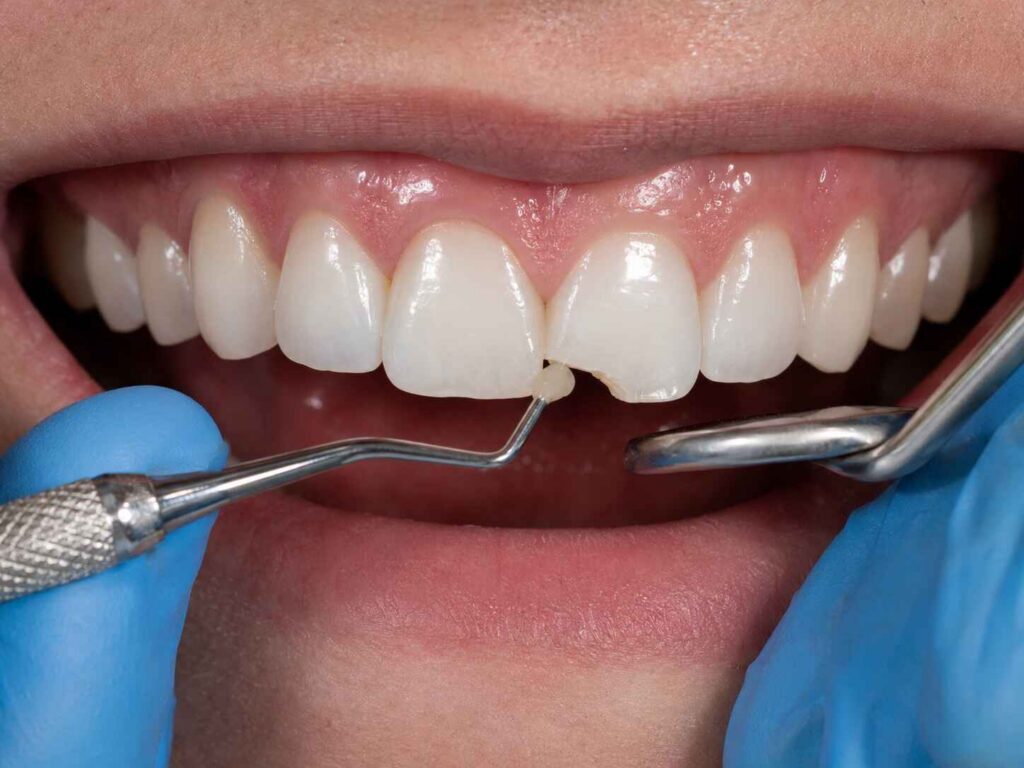
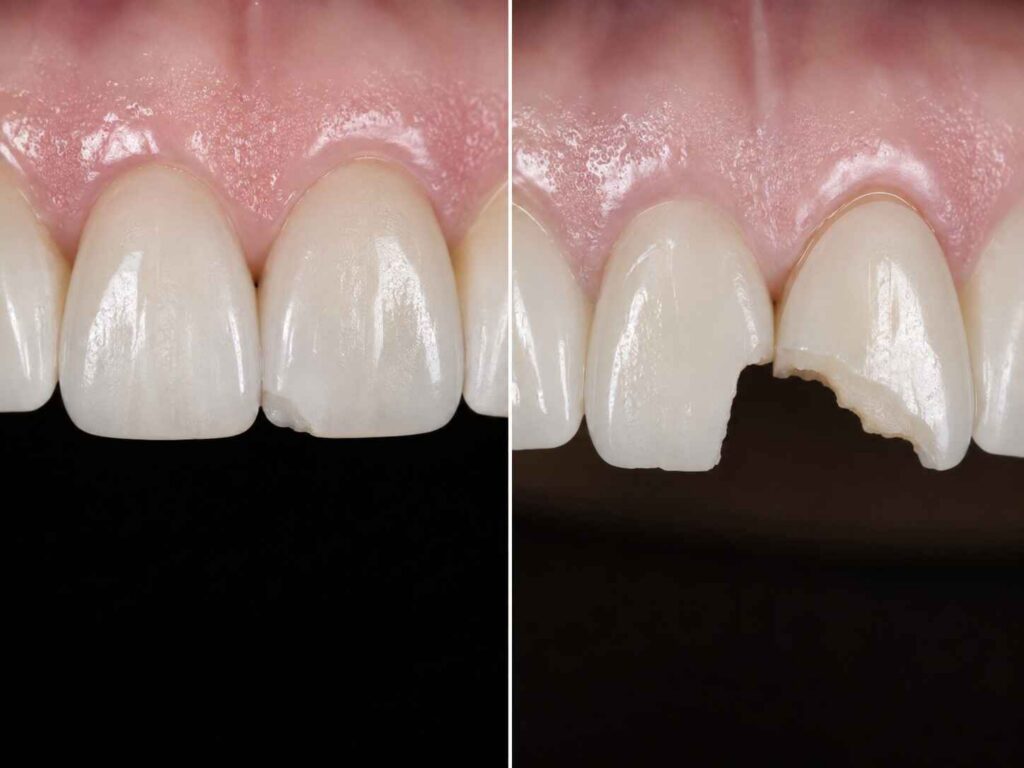
Riparazione di una faccetta in zirconia scheggiata: quando è opportuno ricorrere a un provvisorio in composito?
Le piccole schegge ingannano.
Un difetto di due millimetri sul bordo incisale può sembrare una semplice riparazione in composito da cinque minuti, eppure quel minuscolo frammento mancante può essere il segno visibile di un sovraccarico occlusale, di uno spessore insufficiente della ceramica, di una frattura non individuata, di una progettazione inadeguata del restauro, di una parafunzione o di un’interfaccia adesiva compromessa già da tempo prima che il paziente se ne accorgesse.
Quindi stiamo riparando un danno o nascondendo un guasto?
Questa distinzione determina praticamente tutto.
Non credo che riparazione di faccette in zirconia Si dovrebbe iniziare con la domanda: “Quale resina composita dovrei usare?”. Per prima cosa valuterei se il restauro residuo sia strutturalmente degno di essere conservato. Solo allora si può prendere in considerazione l’uso della resina composita.
Ed ecco il punto che online viene spesso semplificato a dismisura: la riparazione con materiale composito non è automaticamente temporanea.
Una rassegna della letteratura del 2024 che copre 38 studi hanno concluso che la riparazione diretta con composito resinoso può rappresentare un metodo conservativo pratico per prolungare la durata di vita dei restauri indiretti monolitici difettosi, compresi quelli in zirconia. Gli autori hanno proposto di scegliere tra lucidatura, riparazione e sostituzione a seconda del tipo di difetto, anziché partire dal presupposto che ogni restauro danneggiato debba essere rimosso. La revisione completa è disponibile tramite la Biblioteca Nazionale di Medicina degli Stati Uniti: Protocolli di riparazione per restauri monolitici indiretti.
Ma ciò non significa che ogni faccetta in zirconia scheggiata debba essere sostituita con un composito.
Niente affatto.
Per prima cosa, stabilisci cosa si è effettivamente scheggiato
“L'espressione ”faccetta in zirconia scheggiata” può riferirsi a tipi di cedimenti sostanzialmente diversi.
La formulazione è importante.
Un monolitico faccetta in zirconia progettata per esigenze funzionali più elevate potrebbe fratturarsi all’interno della stessa zirconia. Un restauro in zirconia a strati potrebbe invece perdere lo strato di porcellana di rivestimento, lasciando intatta la struttura in zirconia. Non si tratta di superfici da riparare chimicamente identiche, e trattarle come se lo fossero costituisce una pratica odontoiatrica restaurativa approssimativa.
Biossido di zirconio, ZrO₂, è una ceramica policristallina. È priva della fase vetrosa ricca di silice presente nella porcellana feldspatica e nel disilicato di litio. L’incisione convenzionale con acido fluoridrico, pertanto, non crea sulla zirconia la stessa superficie retentiva che si ottiene sulle ceramiche vetrosi.
Questo modifica immediatamente il protocollo di riparazione.
Se l’area fratturata espone la zirconia, il medico valuta generalmente un condizionamento meccanico controllato abbinato a un adesivo compatibile con la zirconia, che solitamente prevede 10-MDP: 10-metacrililossidecil diidrogeno fosfato.
Se risulta esposta anche della ceramica da rivestimento a base di silice residua, la riparazione diventa un problema di substrati misti.
È proprio per questo che, prima di aprire un kit di riparazione, mi assicurerei di identificare tutte le superfici esposte.
I quattro modelli di fallimento che distinguerei
1. Rugosità superficiale o difetto microscopico del bordo
In questo caso potrebbe essere necessario ricorrere alla lucidatura anziché al composito.
Non trasformare un difetto che può essere lucidato in un intervento adesivo solo perché si ha a disposizione la resina.
2. Piccolo frammento coeso con ceramica circostante stabile
Questo è lo scenario in cui riparazione di faccette in resina composita diventa davvero interessante.
Il restauro rimane in sede. I margini sono intatti. Il difetto è localizzato. Non si osservano crepe evidenti in fase di progressione. L'occlusione può essere diagnosticata e controllata.
Potrebbe essere un caso da riparare.
3. Frattura più estesa con significativa perdita strutturale
Ora comincio a diventare scettico.
Quando manca una parte consistente del bordo incisale, della parete facciale o della zona di contatto funzionale, il dentista non si limita più a ripristinare semplicemente il contorno. Il composito può fungere da ricostruzione provvisoria in attesa della realizzazione di una faccetta sostitutiva.
4. Frattura associata a distacco, rottura marginale, recidiva della patologia o fessura in espansione
Il materiale composito non dovrebbe essere utilizzato per mascherare un restauro che ha già perso la propria giustificazione biologica o strutturale.
La sostituzione merita una seria valutazione.
La riparazione di un composito non equivale automaticamente a una riparazione provvisoria con faccetta
La parola “temporaneo” è troppo comoda.
Permette alle persone di evitare di definire cosa significhi realmente il successo.
Una riparazione con resina può talvolta rimanere funzionante per anni. In un rapporto clinico pubblicato, una protesi parziale fissa in zirconia con rivestimento in porcellana si è scheggiata dopo 18 mesi. Il tentativo di incollare nuovamente il frammento ceramico originale non ha avuto esito positivo, ma una successiva ricostruzione in composito è rimasta in uso presso il follow-up quinquennale. Il caso è documentato in un articolo indicizzato su PubMed Riparazione intraorale di un restauro in porcellana-zirconia scheggiato.
Si tratta di un singolo caso clinico, non di un’autorizzazione a garantire una durata di cinque anni per ogni intervento di riparazione anteriore.
Ciononostante, smentisce l'affermazione superficiale secondo cui il composito su zirconia non sarebbe altro che una soluzione provvisoria.
È stata esaminata un’altra revisione sulla riparazione intraorale delle ceramiche 21 studi idonei, tra cui 17 studi di laboratorio, tre casi clinici e uno studio clinico prospettico. Lo studio ha concluso che la riparazione intraorale può preservare intatta la struttura del restauro e ridurre la necessità di sostituzione, sottolineando al contempo che la durata dipende in larga misura dal condizionamento del substrato e dalla tecnica adesiva. La versione completa della recensione è disponibile su PubMed Central.
È proprio questa la sfumatura in cui ripongo la mia fiducia.
Il composito può essere conservativo.
I materiali compositi possono durare a lungo.
Il composito può anche cedere rapidamente quando gli chiediamo di compensare un meccanismo di frattura che nessuno si è preso la briga di diagnosticare.
Quando considererei il composito come una vera e propria riparazione — e quando lo definirei provvisorio
Ecco la distinzione di cui acquirenti, dentisti e laboratori dovrebbero effettivamente discutere.
Situazione clinica
Ruolo composito
Perché
Piccola scheggiatura localizzata; faccetta stabile; margini intatti
Possibile riparazione a lungo termine
Un difetto limitato consente una ricostruzione conservativa
Difetto facciale minore non funzionale
Possibile riparazione a lungo termine
Riduzione delle sollecitazioni meccaniche se le condizioni di incollaggio sono favorevoli
Piccola scheggiatura dell’incisale a seguito di un contatto prematuro correggibile
La riparazione potrebbe essere ragionevole
La riparazione ha maggiori possibilità di successo una volta eliminata la causa meccanica
Ingente perdita del bordo incisale
Di solito temporaneo/provvisorio
Aumento del volume di riparazione e dello stress funzionale
La crepa si estende oltre la scheggiatura visibile
Di solito temporaneo o inappropriato
Il composito non impedisce la formazione di una frattura strutturalmente rilevante nella ceramica
Ripetute scheggiature nello stesso punto
Di solito temporaneo
Il ripetersi dei fallimenti suggerisce la presenza di problemi irrisolti a livello di progettazione o di occlusione
L'impiallacciatura si è parzialmente staccata
Indicazione di riparazione insufficiente
È necessario rivalutare l'interfaccia tra la ricostruzione e il dente
Margine aperto o difettoso
Indicazione di riparazione insufficiente
Il ripristino del contorno esterno non risolve il problema marginale
Parafunzione grave con forte contatto anteriore
Dipende dal caso, spesso temporaneo
La riparazione con adesivo rimane soggetta al sovraccarico originario
Zona estetica con discrepanza inaccettabile tra tonalità e consistenza
Spesso temporaneo
La funzionalità potrebbe essere ripristinata mentre viene realizzata la protesi sostitutiva
Difetto controllato con isolamento e preparazione della superficie prevedibili
Candidato più adatto alla riparazione
Il trattamento adesivo può effettivamente essere eseguito come previsto
Non esiste un diametro “magico” del difetto a partire dal quale il composito diventi improvvisamente “provvisorio”.”
Il contesto è fondamentale.
Una scheggiatura incisale di 1,5 mm situata proprio all’interno di un’interferenza protrusiva non controllata mi preoccupa di più rispetto a una scheggiatura facciale leggermente più estesa al di fuori del contatto funzionale.
Ecco perché Controllo occlusale post-cementazione nei casi di faccette Questo aspetto è importante anche quando il restauro iniziale appare perfettamente accettabile nelle fotografie. L’intercuspazione massima statica non è sufficiente; i movimenti in protrusione e laterali possono rivelare una realtà completamente diversa.
La parte più difficile nella riparazione delle faccette in zirconia è l'interfaccia
Il composito è un materiale ben noto.
La zirconia non perdona.
I dati recenti più interessanti provengono da una revisione sistematica e da una meta-analisi di rete del 2024 che valutano 77 studi sull’adesione tra zirconia e resina. L’abrasione ad aria, il rivestimento con silice e diversi altri trattamenti superficiali hanno migliorato l’adesione in varie condizioni, mentre Gli adesivi contenenti 10-MDP hanno dato risultati migliori rispetto ad altri monomeri acidi. Ancora più significativo è il fatto che, 91,21 TP3T delle leghe sottoposte a valutazione hanno subito un indebolimento a seguito dell'invecchiamento. Vedi Diversi trattamenti superficiali e monomeri adesivi per l'incollaggio tra zirconia e resina.
Rileggi quel numero.
91.2%.
Riuscire a incollare qualcosa domani mattina e mantenere intatta quell'interfaccia nonostante l'umidità, gli sbalzi di temperatura, i carichi e il passare del tempo sono risultati ben distinti.
Ecco perché non ho molta pazienza per quelle dimostrazioni di restauro in cui si mostra un bellissimo composito subito dopo la lucidatura e si considera il caso chiuso.
Le fotografie relative alla resistenza iniziale dell'adesione non ci dicono praticamente nulla sull'invecchiamento.
L’abrasione ad aria è utile, ma “di più” non è un protocollo
Una recente revisione sistematica e meta-analisi pubblicata su La rivista di odontoiatria protesica valutato 34 studi e hanno riscontrato che l’abrasione con particelle di ossido di alluminio sospese nell’aria migliorava in generale la resistenza di adesione della zirconia rispetto alle superfici non trattate, in particolare quando la zirconia veniva incollata allo smalto o alla resina composita. Tuttavia, l’eterogeneità era elevata e il livello di certezza variava da moderato a molto basso. Si veda la voce PubMed del 2026: Effetto dell'abrasione con particelle di ossido di alluminio sospese nell'aria sulla resistenza di adesione della zirconia.
Traduzione?
La sabbiatura è utile.
Ma aumentare ciecamente la potenza della sabbiatura non è una scelta sofisticata basata su dati scientifici.
Per i lettori che si occupano di restauri sottili, la nostra guida dedicata a parametri di abrasione ad aria per faccette in zirconia spiega perché Dimensione delle particelle di Al₂O₃, pressione, distanza, durata, formazione di zirconia e spessore del restauro dovrebbe essere documentato, anziché essere ridotto alla inutile indicazione “sabbiare la zirconia”.”
Le ceramiche anteriori sottili richiedono cautela.
Cosa richiede effettivamente una riparazione composita duratura della zirconia
Penserei a riparazione composita della zirconia come una serie di decisioni, non come una bottiglia di primer.
1. Individuare la frattura prima di toccare la superficie
Chiedi perché si è scheggiata la impiallacciatura.
Verifica:
Intercuspazione massima
Contatti sporgenti
Guida laterale
Posizione di contatto incisale
Anamnesi di parafunzioni o bruxismo
Propagazione visibile della fessura
Spessore della ceramica intorno al difetto
Cronologia delle riparazioni effettuate
Integrità marginale
Mobilità dell'incollaggio o distacco parziale
Anamnesi traumatologica
Se nessuno capisce perché il primo materiale si sia fratturato, l’aggiunta immediata di un’interfaccia di riparazione più debole dovrebbe suscitare in noi un certo disagio.
2. Identificare il substrato esposto
È:
Zirconia monolitica?
Zirconia e ceramica per faccette?
Ceramica da rivestimento prevalentemente feldspatica?
Si tratta di un materiale composito proveniente da una riparazione precedente?
Ogni substrato modifica il condizionamento.
Ciò è particolarmente importante negli interventi sulla parte anteriore, poiché i prodotti raggruppati sotto il termine “zirconia” possono includere 3Y-TZP, 4Y-PSZ e 5Y-PSZ formulazioni con caratteristiche ottiche e meccaniche diverse.
3. Creare una ritenzione micromeccanica senza danneggiare la ceramica
Laddove il produttore della zirconia e il sistema di riparazione lo consentano, si ricorre comunemente all’abrasione controllata con particelle sospese nell’aria per modificare la superficie esposta di ZrO₂.
Ma la rugosità superficiale non è una gara.
Uno studio del 2025 che ha coinvolto 1.296 campioni di zirconia è stata riscontrata una resistenza al taglio composito-zirconia significativamente superiore dopo la sabbiatura con Al₂O₃ rispetto ai campioni di controllo non trattati, mentre le prestazioni variavano ancora in modo sostanziale a seconda dei sistemi adesivi e delle condizioni di invecchiamento. Riparazione di compositi su zirconia: influenza della sabbiatura e degli adesivi universali fornisce i dettagli sperimentali.
Il numero di esemplari è impressionante.
Il messaggio è meno affascinante: sia la preparazione che la composizione chimica dell'adesivo sono importanti.
4. Utilizzare prodotti chimici compatibili con la zirconia
Per quanto riguarda la zirconia a vista, i sistemi contenenti 10-MDP meritano particolare attenzione poiché il gruppo fosfato può interagire con l’ossido di zirconio, mentre il gruppo terminale metacrilato partecipa alla polimerizzazione con i materiali in resina.
La composizione sembra elegante.
L'esecuzione è ancora tutto.
La contaminazione da saliva, una pulizia inadeguata, combinazioni di prodotti incompatibili, una tecnica di polimerizzazione errata, un controllo insufficiente dello spessore del composito o un contatto occlusale scorretto possono vanificare il vantaggio teorico.
5. Ripristinare il contorno in modo conservativo
Il composito dovrebbe ripristinare ciò che è andato perduto.
Questo non dovrebbe diventare un pretesto per riprogettare metà dell’impiallacciatura direttamente in studio.
Quando un intervento di riparazione inizia a richiedere una copertura estesa della superficie, una ricostruzione incisale importante, il mascheramento delle linee di frattura sottostanti o ripetute aggiunte semplicemente per ricreare la geometria originale della ceramica, mi chiedo perché non si stia già pianificando la sostituzione.
Perché alcune riparazioni “riuscite” falliscono di nuovo
La colpa ricade sulla resina.
A volte ingiustamente.
Il problema occlusale originario non è mai stato risolto
Una volta, un forte urto da bordo a bordo ha causato la frattura della ceramica.
Il composito viene quindi posizionato esattamente nello stesso punto di contatto.
Si rompe.
Tutti danno la colpa al composito.
Davvero?
Non si tratta di un errore sostanziale. Si tratta di una ripetizione diagnostica.
La superficie da riparare è stata trattata come se fosse in vetroceramica
La zirconia non è disilicato di litio.
Non copierei un protocollo di incisione ad alta frequenza e trattamento con silano previsto per una faccetta in E.max, dando per scontato che sia direttamente applicabile allo ZrO₂ esposto.
Il medico ha risolto esteticamente un difetto strutturale
Questo è l'errore che mi dà più fastidio.
Una crepa in espansione è nascosta.
Viene ricoperto un segmento incisale indebolito.
A un restauro parzialmente distaccato viene aggiunta altra resina.
La fotografia risulta migliore.
La prognosi non lo fa.
La riparazione con materiali compositi dovrebbe consentire di preservare un restauro che merita ancora di essere conservato, senza ritardare la diagnosi di uno che invece non lo merita.
Quando la sostituzione diventa la soluzione migliore per riparare le faccette in zirconia
A volte riparare è più conveniente che sostituire.
A volte la sostituzione equivale alla riparazione.
Sarei decisamente propenso alla sostituzione qualora il danno comportasse una perdita sostanziale di ceramica, una frattura visibile o che si sospetta si stia propagando, un fallimento ricorrente, margini inadeguati, distacco parziale, colore o contorno inaccettabili, una progettazione errata del restauro o un ambiente occlusale che non possa essere reso compatibile con la faccetta residua.
Una riparazione ripetuta deve destare particolare sospetto.
Un chip può essere un caso fortuito.
Due chip nella stessa zona contengono dati.
Se una faccetta anteriore si frattura ripetutamente nello stesso angolo incisale, vorrei sapere se il problema è da ricercarsi nello spessore, nella geometria della preparazione, nel contatto con il dente opposto, nella guida occlusale, nella progettazione del laboratorio, nella scelta del materiale o in una parafunzione del paziente, prima che qualcuno applichi la terza toppa in composito.
Ciò si ripercuote anche sulla comunicazione all’interno del laboratorio. Un’elevata resistenza faccette in zirconia può essere il materiale giusto per un caso particolarmente impegnativo, ma una “ceramica più resistente” non è la soluzione a una cattiva distribuzione del carico.
La scelta dei materiali non può andare contro le leggi della fisica.
La mia regola decisionale: “Temporaneo” è un ruolo clinico, non un materiale
Questo è il punto che metterei in evidenza in ogni discussione sulle riparazioni.
Il composito diventa provvisorio quando la situazione clinica lo rende tale, non semplicemente perché si tratta di un materiale composito.
Un moncone piccolo, stabile e accessibile, con margini intatti, occlusione controllabile, isolamento adeguato, trattamento superficiale appropriato della zirconia, composizione chimica dell’MDP compatibile ed estetica accettabile, può giustificare un intervento conservativo e un monitoraggio.
Una frattura estesa con crepe in espansione, ripetute scheggiature, margini compromessi, distacco parziale, carico funzionale elevato, isolamento insufficiente o la necessità già indicata di una sostituzione rendono lo stesso composito una soluzione provvisoria.
Stessa resina.
Prognosi diversa.
Ed è per questo che smetterei di proporre ai pazienti o ai medici definizioni assolute come “riparazione definitiva” e “soluzione temporanea”. L’odontoiatria ci offre probabilità, non garanzie.
Domande frequenti
È possibile riparare una faccetta in zirconia scheggiata con resina composita?
Una faccetta in zirconia scheggiata può essere riparata con resina composita quando il restauro residuo è stabile, il difetto è localizzato, i margini rimangono accettabili, le forze occlusali possono essere controllate e la zirconia o la ceramica di rivestimento esposte possono essere sottoposte al corretto trattamento meccanico e chimico della superficie necessario per ottenere un’interfaccia adesiva prevedibile.
Ciò non significa che ogni scheggiatura sia idonea. Fratture estese, distacchi parziali, scheggiature ricorrenti, crepe in espansione o margini difettosi possono rendere la sostituzione una scelta più giustificabile rispetto alla riparazione diretta.
Come si ripara una faccetta in zirconia scheggiata?
La riparazione di una faccetta in zirconia scheggiata richiede generalmente di individuare la causa della frattura, identificare ogni substrato esposto, preparare meccanicamente la zirconia quando il materiale e il sistema di riparazione lo consentono, pulire adeguatamente la superficie, applicare un adesivo per zirconia compatibile, come ad esempio un sistema contenente MDP, ricostruire il difetto con resina composita e ricontrollare i contatti funzionali.
I parametri esatti di condizionamento dovrebbero seguire le istruzioni aggiornate fornite dai produttori di zirconia e di adesivi, piuttosto che una ricetta generica reperibile online, in particolare nel caso di restauri anteriori sottili in 4Y-PSZ e 5Y-PSZ.
In quali casi la riparazione con materiale composito delle faccette in zirconia è temporanea?
La riparazione con materiale composito deve essere considerata una soluzione temporanea quando la faccetta in zirconia scheggiata presenta una perdita strutturale significativa, una sospetta fessura in espansione, fratture ripetute, un carico occlusale elevato non risolto, margini compromessi, distacco parziale, un danno estetico inaccettabile o un’altra condizione che renda la sostituzione il trattamento a lungo termine previsto, piuttosto che la conservazione del restauro esistente.
In tali situazioni, il composito può ripristinare il contorno o il comfort mentre si provvede alla sostituzione in laboratorio, ma non dovrebbe essere presentato come una soluzione al problema strutturale di fondo.
La riparazione con materiale composito sulla zirconia può durare anni?
In casi selezionati, una riparazione in composito su zirconia può rimanere funzionale per anni, sebbene non sia possibile garantirne la durata nel tempo, poiché la resistenza del legame dipende dal tipo di frattura, dal trattamento superficiale, dalle caratteristiche chimiche dell’adesivo, dall’umidità e dall’invecchiamento termico, dal carico occlusale, dall’integrità residua del restauro, dalle dimensioni della riparazione, dal comportamento del paziente e dal fatto che la causa meccanica della frattura originaria sia stata corretta.
La letteratura scientifica riporta il caso di una protesi in zirconia con rivestimento in porcellana la cui ricostruzione in composito è rimasta funzionale per cinque anni, mentre prove di laboratorio più ampie evidenziano anche un degrado sostanziale di molti legami tra zirconia e resina in seguito all’invecchiamento artificiale.
È necessario l'MDP per la riparazione composita della zirconia?
I primer o gli adesivi contenenti MDP sono comunemente preferiti per la riparazione della zirconia poiché il 10-metacrilossidecil diidrogeno fosfato fornisce gruppi fosfato in grado di interagire con l’ossido di zirconio, mentre la sua componente metacrilata polimerizzabile si integra con i materiali in resina, creando un contributo chimico all’adesione oltre alla ritenzione micromeccanica ottenuta grazie a un adeguato trattamento superficiale.
Una meta-analisi a rete del 2024, che ha preso in esame 77 studi, ha rilevato che gli adesivi contenenti 10-MDP sono superiori agli altri monomeri acidi valutati, sebbene la compatibilità dei prodotti, il controllo della contaminazione, la preparazione della superficie e l’invecchiamento rimangano fattori importanti.
È meglio riparare o sostituire una faccetta in zirconia scheggiata?
Una faccetta in zirconia scheggiata dovrebbe generalmente essere riparata quando il danno è localizzato e il restauro rimane accettabile dal punto di vista biologico, meccanico, adesivo ed estetico; la sostituzione diventa più indicata quando le fratture sono estese o ricorrenti, le crepe sono in progressione, i margini o la ritenzione sono compromessi, il carico funzionale rimane sfavorevole o il restauro originale non fornisce più una base prevedibile.
La decisione dipende quindi meno dal fatto che il composito sia fisicamente in grado di riempire il difetto e più dal fatto che la ceramica rimanente sia ancora idonea all’uso.
L'abrasione ad aria migliora l'adesione del composito alla zirconia?
L’abrasione ad aria può migliorare l’adesione del composito alla zirconia aumentando l’irregolarità superficiale e la ritenzione micromeccanica; inoltre, recenti evidenze derivanti da revisioni sistematiche riportano generalmente una maggiore resistenza di adesione tra zirconia e resina nel caso dell’abrasione con particelle di ossido di alluminio disperse nell’aria rispetto alle superfici non trattate; tuttavia, i risultati variano a seconda della composizione della zirconia, della dimensione delle particelle, della pressione, della durata del trattamento, del sistema adesivo, del protocollo di invecchiamento e dello spessore del restauro.
Per questo motivo, “sabbiarlo” non costituisce un’istruzione clinica adeguata. È necessario tenere conto delle dimensioni delle particelle, della pressione, della distanza, della durata del trattamento, della formazione di zirconia e delle istruzioni aggiornate fornite dal produttore.
Il tuo prossimo passo: effettuare una diagnosi prima di applicare la patch
Se una faccetta in zirconia si scheggia, non optare subito per il composito.
La diagnosi deve essere la prima decisione da prendere.
Valutare la quantità di materiale perso. Stabilire se la superficie esposta è in zirconia, in porcellana di rivestimento o entrambe. Controllare i margini. Verificare la presenza di propagazione della frattura. Riprodurre l’occlusione. Chiedere se si tratta della prima frattura o della terza. Quindi decidere se si sta preservando un restauro ancora utilizzabile o se si sta semplicemente rimandandone la sostituzione.
I dentisti e i laboratori odontotecnici che intendono realizzare casi complessi con zirconia nel settore anteriore sono invitati a inviare ad Artist Dental Lab il Scansione STL o iOS, arcata opposta, registrazione dell’occlusione, dettagli della preparazione, colore del moncone, fotografie del sorriso, note occlusali, rischio parafunzionale e design incisale desiderato prima della lavorazione.
E se ci inviate un rifacimento a seguito della scheggiatura di una faccetta in zirconia, allegate anche le prove del difetto.
Scatta una foto della frattura.
Contrassegna il contatto.
Descrivi quando è successo.
Comunica al laboratorio quale componente si è guastato.
Una sostituzione effettuata senza aver compreso la prima frattura non è una nuova soluzione. È lo stesso esperimento ripetuto due volte.