What Troubles Are Triggered By Incomplete Bite Records in Anterior Cases?
The Bite Document Is Not a Side File. It Holds true.
The bite exists.
When an anterior case gets here with a weak bite registration, an unclear dental bite record, or a check that captures quite margins yet not a repeatable maxillomandibular partnership, the lab is not “completing” the case; it is guessing where the mandible belongs, where anterior assistance starts, and how much pressure those incisors are expected to lug. Why do we still claim this is a small lab-form information?
I’ll be candid: insufficient bite documents are just one of one of the most costly affordable mistakes in esthetic dental care.
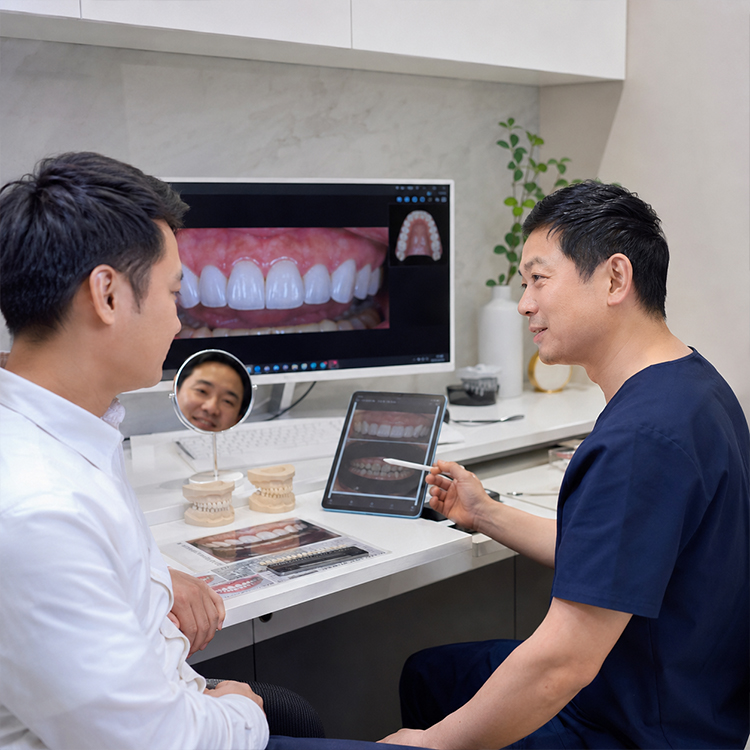
The smile zone makes people psychological. A posterior crown can be readjusted and forgotten if the patient is forgiving. A former veneer that feels “off” becomes a mirror trouble, a speech issue, a photo issue, and sometimes a count on trouble. That is why costs anterior esthetics need to never ever be divided from occlusal technique. Musician Dental Lab’s very own former assistance content makes the exact same point indirectly: material selection, shade discipline, documents, and practical risk all have to be controlled prior to the instance comes to be ceramic.
Here is the hard fact. An attractive veneer made from a bad bite enrollment is still a negative repair putting on pricey make-up.
Table of Contents
Where Insufficient Bite Records Beginning Breaking the Instance
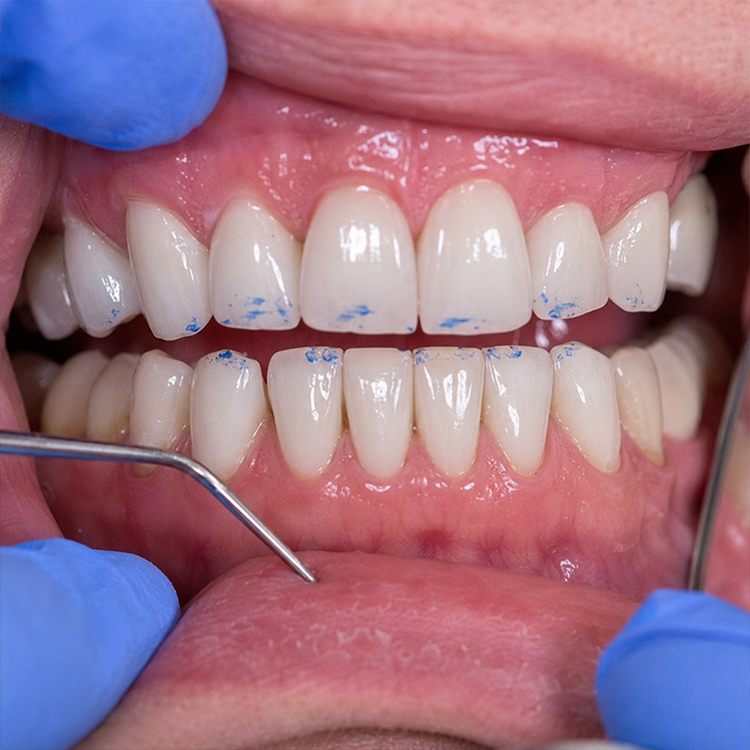
Incomplete bite documents in anterior situations create wrong occlusal mounting, incorrect incisal edge placement, unpredictable former advice, incorrect call intensity, phonetic troubles, veneer crack risk, remakes, extreme chairside change, and patient frustration. The failing is not constantly dramatic on the first day. Often it sneaks in as “this tooth feels high,” “my speech altered,” or “my bite does not feel like mine.”
That last phrase matters: “my bite.”
Anterior situations are personal. Clients do not chat like prosthodontists. They do not state, “I presume an interocclusal record mistake has changed my protrusive path.” They claim the tooth feels bulky, sharp, long, tight, hefty, or fake. And often, hidden under that issue, there is a bite registration issue.
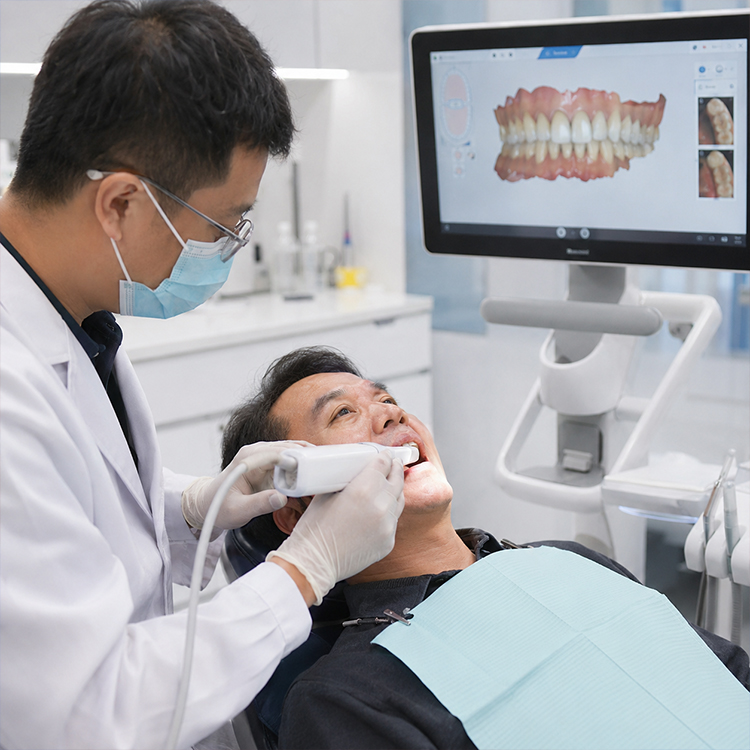
A 2024 methodical evaluation provided on PubMed reported that electronic interocclusal documents were more accurate than conventional interocclusal records in the examined studies, which ought to not read as “electronic always conserves you.” It implies clean data matters. Digital trash is still garbage. The PubMed-indexed evaluation on electronic versus standard interocclusal documents sustains the larger point: attack registration is a technological step with measurable accuracy consequences, not a ceremonial scan at the end of the visit.
And if we move from bite documents to occlusal design, the proof gets even less forgiving. A clinical relative research study using 15 individuals found that patient-specific movement minimized occlusal mistake in out-of-tolerance locations compared with static occlusion layout, with RMS values of 202.3 ± 39.8 μm versus 257.0 ± 73.9 μm. That remained in posterior zirconia crowns, yes, but the lesson travels well: static assumptions miss out on practical movement. The MDPI clinical research study on occlusal errors is a beneficial warning for any anterior process pretending that MIP alone informs the whole story.
The Damage Map: What Actually Fails
Insufficient or absent record
What the laboratory is required to infer
Likely anterior-case issue
Clinical danger
Unclear MIP/MI record
Just how the arcs close
High driven call on veneers or crowns
Discomfort, repeated change, remake
No protrusive document
Where incisors overview motion
Flat or aggressive anterior support
Cracking, fremitus, muscle pain
No canine guidance notes
Whether side motion ought to load dogs or incisors
Lateral interference on veneers
Ceramic crack or debonding
No overbite/overjet context
How much straight and vertical overlap exists
Bulky lingual contours or weak incisal layout
Speech adjustments, “thick” feeling
No provisional reference
Whether the examined bite operated in the mouth
Lab copies makeup without tried and tested function
Esthetic success, practical failure
Poor scan stitching or weak buccal bite
Distorted electronic expression
Crown/veneer contacts created in the incorrect upright relationship
Chairside grinding, remount, remake
No parafunction warning
Whether the individual lots anterior teeth greatly
Breakable incisal side style
Cracks, wear, debonding
But the worst component is not the remake.
The worst component is that incomplete bite documents can make the dental professional and laboratory argue concerning the incorrect point. The dentist says the reconstruction is too high. The laboratory claims the documents was complied with. The person claims the bite feels wrong. Every person is partly right, and nobody possesses the missing information.
The Industry’s Uneasy Practice: We Exaggerate Materials and Underrate Records
I have extremely little patience for material-first explanations of former failing.
Yes, lithium disilicate matters. Yes, feldspathic porcelain has a narrow high-end lane. Yes, layered zirconia can be beneficial when toughness and esthetics both issue. However when a bite registration is insufficient, worldly option comes to be the scapegoat. The laboratory obtains charged of poor anatomy. The clinician changes the reconstruction until the ceramic looks tired. The patient sheds self-confidence.
This is why Split E.max veneer cases require more than shade pictures and a smile style note. Musician Dental Lab’s item web page clearly asks for STL scans, shade and stump shade, retracted and smile pictures, wax-up or mock-up recommendations, midline and smile-line notes, surface appearance preferences, and practical limitations such as parafunction and support. That is not ornamental documents. That is the case style.
The very same pattern shows up on the Complete E.max veneer operations, where the called for handoff includes STL scans, margin notes, shade and stump shade, client pictures, and wax-up or reference photos. For E.max crowns in anterior zones, the site calls out occlusal and get in touch with assistance as part of what dental practitioners must send.
So below is my point of view: if a technique sends an anterior case without a trustworthy bite registration and after that grumbles about the lab’s “esthetic interpretation,” the method is evading obligation.
Ceramics do not take care of missing occlusion.
The Legal and Financial Threat Is Not Academic
Oral documents are not simply clinical memory. They are obligation documents.
The American Dental Association summed up a JADA malpractice analysis of more than 15,000 legal problems, reporting that claimed treatment or surgery failings accounted for concerning 45% of instances, while inaccurate or delayed diagnoses, medicine errors, and interaction breakdowns followed at about 28%, 18%, and 9%. The ADA negligence approach recap likewise highlights precise, in-depth, timely individual documents as risk control, which need to make every incomplete bite document feel much less like documentation and more like direct exposure.
The United State National Specialist Data Bank is not an oral blog or a marketing survey. It is a federal coverage system. Its Information Analysis Device covers medical malpractice settlement reports and unfavorable activity records from 1990 via December 31, 2025, and the NPDB manual states specific clinical negligence settlements and negative actions are reportable under government law. The NPDB Information Analysis Tool and NPDB reporting introduction deserve analysis before anyone deals with inadequate documents as safe.
There is additionally a prosthodontic signal in worldwide litigation information. A 2025 BMC Oral Health and wellness research study of twenty years of dental negligence lawsuits in Türkiye found prosthodontics represented 31% of cases, in advance of dental surgery at 24% and oral medical diagnosis at 14%. Various nation, different system, yes. But prosthetic disagreements maintain appearing because clients can see, feel, picture, and rate the failing. The BMC Oral Wellness litigation study is not about bite registration especially, however it is very much about the legal gravity of prosthetic outcomes.
The Anterior Bite Document List I Would Really Count on
For anterior repair bite document issues, I do not desire a heroic specialist. I want a boringly total handoff.
Send the laboratory:
Upper and reduced STL documents or exact physical impacts
Verified MIP/MI bite enrollment
Protrusive document when former assistance is being changed
Side activity notes, specifically canine assistance versus team feature
Stump color for slim lithium disilicate or feldspathic instances
Provisionary check or authorized mock-up when shape and function were checked
Parafunction background: bruxism, edge-to-edge bite, nail attacking, anterior wear elements
Occlusal target: light get in touch with, holding contact, no call, or functional guidance
Placing directions if CR, deprogramming, or a certain articulator protocol was used
Short list. Big difference.
For smile-zone porcelains, the record needs to inform the laboratory not just where the teeth are, but exactly how the individual utilizes them. That is especially real for split zirconia crowns in the smile area, where the laboratory is balancing core strength, porcelain layering, call, occlusion, and aesthetic symmetry. Musician Dental Laboratory’s page specifically asks for margin notes, color and stump shade, photos, occlusal system assistance, and aesthetic referral goals.
Why Digital Workflows Still Fail When the Bite Is Insufficient
Digital dentistry made bite registration quicker. It did not make biology less complex.
The scanner can capture a buccal bite. It can line up arches. It can feed CAD software application. It can produce a beautiful color map. But if the bite capture is shallow, unpredictable, scanned in the wrong mandibular setting, or missing sufficient stable tooth call for appropriate alignment, the documents can look clean while the relationship is wrong.
That is the trap.
An electronic bite document is not automatically premium because it is digital. It transcends just when the capture is secure, repeatable, and checked against the individual’s actual function. In anterior situations, that suggests the dental expert needs to think past closure. What occurs in projection? What takes place when the patient speaks? What happens when the centrals take load throughout edge-to-edge motion? What occurs when the client’s envelope of function is not the same as the static scan?
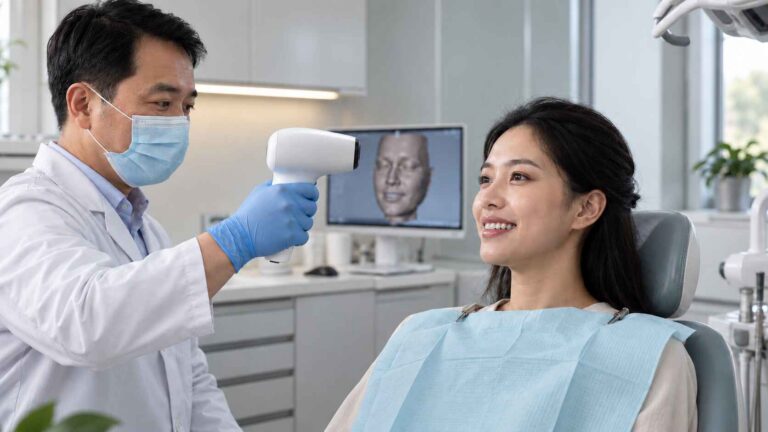
This is where I believe lots of techniques are overconfident. They acquired the scanner, so they rely on the scan. Yet a scanner can not detect a bad upright measurement, can not understand whether the provisional felt comfy, and can not presume the dental practitioner’s desired anterior assistance from silence.
Frequently asked questions
What problems are triggered by insufficient bite documents in anterior situations?
Incomplete bite records in former situations create imprecise bite registration, incorrect occlusal mounting, unsteady anterior support, too much chairside modification, speech changes, ceramic damaging, veneer debonding, remake threat, and patient frustration because the laboratory does not have sufficient information to duplicate the patient’s genuine jaw relationship and functional activity.
One of the most usual visible failing is a reconstruction that looks appropriate on the model however feels wrong in the mouth. That mismatch usually indicates a space between static design and practical reality.
Why is anterior bite enrollment more delicate than posterior bite registration?
Anterior attack enrollment is more sensitive because former teeth regulate incisal advice, phonetics, esthetic length, envelope of function, and lateral or protrusive motion, so also a small mistake in upright or straight jaw connection can change just how veneers, crowns, and incisal edges feel, look, and survive.
Back bite errors can usually be readjusted locally. Anterior bite errors can affect the smile line, speech, ceramic thickness, side position, and client confidence simultaneously.
Can a digital check change a conventional bite enrollment?
An electronic check can replace a standard bite enrollment just when the digital interocclusal document is recorded accurately, confirmed clinically, and supported by sufficient steady composition and functional notes; or else, it becomes a fast means to transfer an unstable or incomplete jaw connection right into CAD software program.
Digital workflows are outstanding when the input is disciplined. They threaten when speed replaces verification.
What should dentists send out the laboratory for anterior bite registration?
Dental professionals should send verified upper and reduced scans or impressions, MIP or CR documents as appropriate, protrusive and side guidance notes, overbite and overjet info, provisional or mock-up referrals, color and stump shade information, high-grade pictures, parafunction warnings, and clear instructions on wanted former contact.
The factor is not to hide the lab in data. The factor is to prevent the laboratory from designing the bite.
How do insufficient bite documents raise remake danger?
Incomplete bite documents boost remake danger forcibly the technician to make former get in touches with, incisal contours, support, and ceramic density from partial details, which can create reconstructions that call for heavy modification, stop working esthetically after grinding, really feel awkward, conflict in feature, or crack under unintended tons.
The remake normally appears like a product failure. Typically, it began as an interaction failure.
Send a Situation Packet the Lab Can Actually Use
If you are sending former cases, quit treating bite enrollment as a checkbox. Send out the bite, the movement, the photos, the provisionary proof, and the practical indication prior to the ceramic is made.
For clinics, labs, DSOs, and suppliers handling anterior esthetic instances, send a complete test situation package and ask for a workflow evaluation via Artist Dental Laboratory’s B2B assessment page. Consist of the bite document. Consist of the doubt. Consist of the important things you believe the service technician will certainly “determine.”