Richiedi informazioni sui prezzi e assistenza per i campioni
Per laboratori odontotecnici, cliniche, distributori e team di approvvigionamento che desiderano confrontare corone in zirconia, corone in disilicato di litio, faccette, servizi OEM o ordini all’ingrosso di restauri.
Indicaci il tipo di prodotto, il materiale, il volume mensile, il paese di destinazione e la richiesta di campioni, in modo che il nostro team commerciale possa prepararti la soluzione più adatta.
Quando è opportuno utilizzare il primer MDP per la cementazione delle corone in zirconia?
Il primer MDP deve essere utilizzato quando un restauro in zirconia richiede una ritenzione adesiva e il cemento scelto non fornisce già una fonte efficace e convalidata dal produttore di 10-MDP all’interfaccia con la zirconia.
Ecco la risposta.
Tuttavia, la decisione presa alla poltrona risulta spesso più complessa del necessario, poiché l’indicazione “utilizzare un primer per zirconia” è diventata uno slogan da imparare a memoria, mentre la geometria della preparazione, la contaminazione, l’abrasione ad aria, la composizione del cemento e la compatibilità dei prodotti vengono considerate dettagli secondari.
Non sono cose da poco.
Quindi, ogni corona in zirconia richiede un flacone separato di primer MDP?
No.
Una corona posteriore a ritenzione, fissata con un cemento convenzionale approvato, non è paragonabile a una preparazione corta ed eccessivamente conica che si basa sull’adesione della resina. Inoltre, un cemento resinoso autoadesivo contenente MDP non è chimicamente equivalente a un cemento resinoso privo di MDP abbinato a un primer specifico per ceramica.
Credo che il settore abbia dato troppa importanza alla bottiglia e troppo poca al sistema. L’MDP è importante. Un primer separato non è sempre fondamentale.
Il vero scopo dell'MDP nella cementazione delle corone in zirconia
La zirconia è il biossido di zirconio, ZrO₂. Si tratta di una ceramica a base di ossido policristallino, non di una vetroceramica a base di silice.
È proprio questa distinzione a determinare il protocollo di collegamento.
L'acido fluoridrico può creare una superficie retentiva nelle ceramiche contenenti silice, come il disilicato di litio, poiché attacca la fase vetrosa. La zirconia non contiene quella stessa rete vetrosa suscettibile all'incisione. Applicare alla zirconia un protocollo comunemente utilizzato per le vetroceramiche non è una semplificazione, ma un errore di categoria.
Il 10-MDP, ovvero il 10-metacrililossidecil diidrogeno fosfato, è un monomero adesivo con gruppo fosfato. Il suo gruppo terminale fosfato interagisce con la superficie di ossido di zirconio, mentre il suo gruppo terminale metacrilato partecipa alla polimerizzazione con la resina.
Quel legame chimico è prezioso. Tuttavia, offre prestazioni ottimali solo nell'ambito di un protocollo di incollaggio con zirconia controllato che tenga conto anche della superficie, della contaminazione, dell'evaporazione del solvente, della compatibilità della resina e dell'invecchiamento.
Il primer non può porre rimedio al caos.
Indice dei contenuti
Quando conviene utilizzare una guida introduttiva dedicata all’MDP
La preparazione non garantisce una ritenzione meccanica affidabile
Adottare una strategia adesiva nei casi in cui, in assenza di essa, sia prevedibile una perdita di ritenzione.
Tra gli esempi figurano:
Altezza clinica ridotta della corona
Convergenza occlusale totale eccessiva
Superficie assiale della parete limitata
Restauri in zirconia a copertura parziale
Protesi in zirconia con legante in resina
Faccette in zirconia o altre soluzioni con ritenzione minima
Preparazioni compromesse da problemi di accesso, trattamenti precedenti o perdita strutturale
In questi casi, sarebbe auspicabile che il 10-MDP fosse presente sull’interfaccia tra la zirconia trattata e la resina. La provenienza del 10-MDP — da un primer separato, da un adesivo universale o dal cemento resinoso — dovrebbe essere determinata in base alle istruzioni per l’uso del sistema scelto.
Questa distinzione è particolarmente rilevante per corone e ponti in zirconia multistrato a contorno completo, poiché tali restauri possono essere cementati in modo convenzionale su una preparazione e fissati adesivamente su un’altra. Il nome della ceramica di per sé non determina la tecnica di cementazione.
Il cemento resinoso non contiene un monomero efficace per l'adesione alla zirconia
È opportuno utilizzare un primer specifico per l’MDP quando il cemento resinoso stesso non contiene 10-MDP e il produttore prescrive il pretrattamento con primer.
Panavia V5 è un esempio calzante del motivo per cui i dentisti dovrebbero verificare l'intero sistema anziché basarsi su supposizioni relative alla siringa di cemento. Il cemento è progettato per funzionare con i primer corrispondenti. Altri prodotti incorporano l'MDP direttamente nel cemento e potrebbero non richiedere un primer separato per la zirconia.
Un numero maggiore di passaggi non garantisce automaticamente una maggiore adesione.
A volte causano incompatibilità.
Lo richiede il flusso di lavoro convalidato dal produttore
Utilizzare il primer quando il sistema di prodotti lo richiede, seguendo la sequenza indicata.
Potrebbe sembrare ovvio, eppure i medici mescolano abitualmente un primer di un produttore con un cemento di un altro solo perché entrambe le etichette riportano la sigla “MDP”. La chimica non funziona in base alla corrispondenza delle sigle.
I solventi variano. La concentrazione di MDP varia. I sistemi di iniziatori variano. L'acidità varia. Il contenuto di silano varia. Anche il tempo di applicazione, la pressione di essiccazione, la fotopolimerizzazione e la compatibilità con la doppia polimerizzazione possono variare.
Un sistema può indicare all’operatore di applicare il primer per 20 secondi e di diluirlo con aria per 5 secondi. Un altro può specificare un tempo di reazione di 60 secondi. Un terzo può prevedere l’aggiunta di MDP nel cemento autoadesivo, omettendo del tutto l’uso di un primer separato per il restauro.
Ecco perché sostengo un approccio caso per caso Guide per l'affiliazione destinate alle cliniche partner. Il laboratorio deve documentare la famiglia di zirconia e le condizioni dell'intaglio. Il medico deve selezionare e verificare il sistema di cementazione clinica.
Quello è un passaggio di consegne. Non una prescrizione.
Quando il MDP Primer è superfluo, ridondante o viene utilizzato in modo improprio
Una corona a incastro viene cementata con il metodo convenzionale
Una corona in zirconia a copertura totale, dotata di un’adeguata altezza della parete assiale, di una conicità controllata, di una forma resistente alle sollecitazioni e di un design marginale appropriato, può essere idonea alla cementazione convenzionale, nel rispetto delle istruzioni fornite dai produttori di zirconia e di cemento.
In tale scenario, la tenuta del restauro dipende principalmente dalla geometria della preparazione e dallo strato di cemento, non dall’interfaccia adesiva tra resina e zirconia. L’aggiunta di un primer MDP che non rientri nel protocollo convenzionale con cemento selezionato potrebbe non apportare alcun beneficio significativo.
Questo fenomeno è comune nella regione posteriore flussi di lavoro per zirconia monolitica multistrato, dove la resistenza e la geometria convenzionale della corona spesso consentono più di un metodo di cementazione valido.
Si potrebbe comunque optare per il cemento resinoso?
Certamente. Ma “possibile” e “necessario” sono due concetti diversi.
Il cemento contiene già 10-MDP
Un primer MDP separato può risultare superfluo quando un cemento resinoso autoadesivo contenente MDP è approvato per l’adesione diretta alla zirconia opportunamente preparata.
Lo studio Ramos del 2024 non ha rilevato alcun miglioramento significativo legato all’uso del primer per alcuni sistemi cementizi contenenti MDP, sebbene altri sistemi abbiano dato risultati migliori con il corrispondente primer o adesivo. È proprio questa variabilità il punto fondamentale: la combinazione di prodotti conta più della denominazione generica della categoria. (Quintessence Publishing)
Non aggiungerei un primer “per maggiore sicurezza” a meno che le istruzioni non lo prevedano.
La sicurezza non si misura in base al numero di liquidi presenti nel vassoio.
La Restaurazione è contaminata
Il primer MDP è un promotore di adesione. Non è un prodotto affidabile per la rimozione della saliva.
Dopo la prova di adattamento, i fosfati presenti nella saliva possono occupare i siti reattivi sulla superficie della zirconia e interferire con il successivo incollaggio. Prima di applicare il primer, è necessario pulire il restauro seguendo le istruzioni relative alla zirconia e al sistema di cementazione.
Il risciacquo con acqua da solo potrebbe non ripristinare completamente la superficie. Inoltre, l’acido fosforico non è una soluzione detergente universale per la zirconia ed è espressamente sconsigliato in alcuni protocolli di cementazione, poiché i residui di fosfato possono entrare in competizione con i monomeri fosfatici.
La procedura pratica è semplice:
Prima pulisci.
Quindi la condizione.
Le previsioni di Ivoclar per il 2024 relative a pretrattamento prima della cementazione adesiva Allo stesso modo, suddivide in fasi distinte la pulizia della zirconia, la sabbiatura delicata dove indicato e l’applicazione del primer. (Ivoclar)
Sulla zirconia viene utilizzato solo silano
Il silano riveste grande importanza nelle vetroceramiche contenenti silice. Non costituisce il principale agente di accoppiamento per la zirconia non trattata.
Alcuni primer universali contengono sia silano che 10-MDP, in modo che un unico flacone possa essere utilizzato su più substrati. Ciò non significa però che sia il silano a svolgere il ruolo principale nel legame con la zirconia.
La cruda verità?
“Il termine ”universale” indica la gamma di applicazione prevista per il prodotto. Non significa che tutti i substrati diventino chimicamente identici.
I dati alla base di Air Abrasion Plus 10-MDP
L'abrasione con particelle sospese nell'aria e l'MDP vengono spesso considerate come opzioni intercambiabili.
Non lo sono.
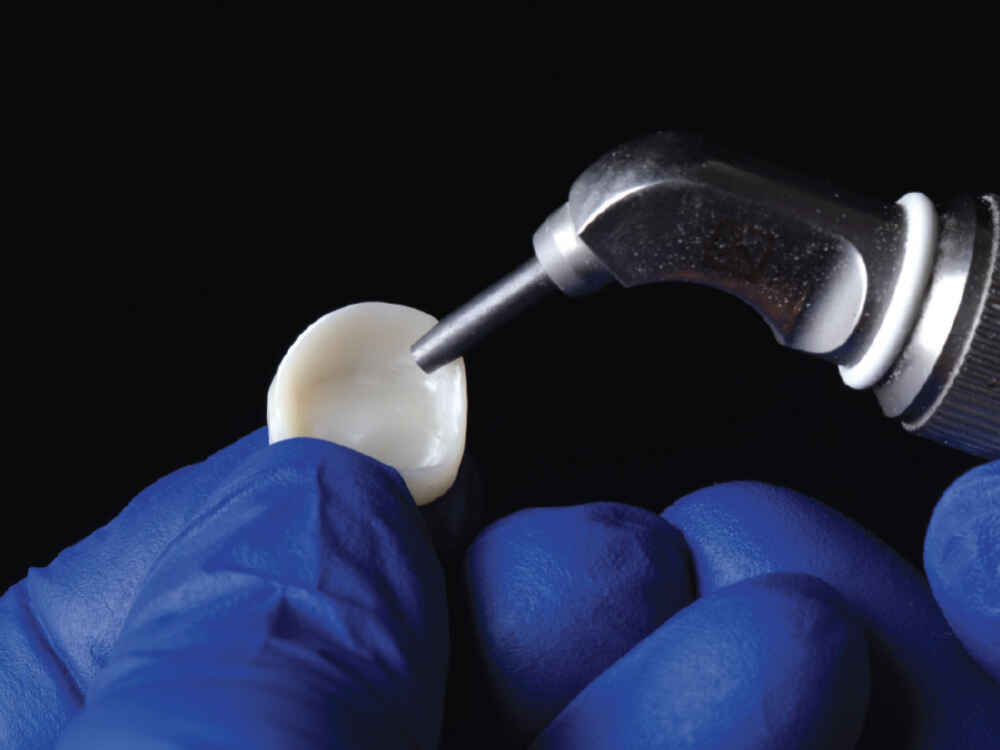
L'abrasione ad aria favorisce la ritenzione micromeccanica e l'attivazione superficiale. L'MDP favorisce l'interazione chimica. Nella cementazione adesiva della zirconia, i protocolli più efficaci combinano spesso il condizionamento meccanico e quello chimico, controllando al contempo l'intensità del trattamento della ceramica.
A 2024 revisione sistematica e meta-analisi di rete di 77 studi ha riportato che gli adesivi contenenti 10-MDP hanno ottenuto prestazioni migliori rispetto ad altri monomeri acidi. È emerso inoltre che il 91,21% dei legami valutati si è indebolito dopo l’invecchiamento, sebbene il deterioramento fosse meno pronunciato in caso di utilizzo dell’abrasione ad aria o del rivestimento in silice. Le particelle fini di allumina nell’intervallo 25–53 µm hanno prodotto risultati immediati migliori rispetto alle particelle da 110–150 µm, senza differenze significative nella dimensione delle particelle dopo l’invecchiamento. (ScienceDirect)
Rileggilo.
Novantuno virgola due per cento.
Le prime immagini che mostrano la resistenza dei legami sono facili da vendere. È con il passare del tempo che le affermazioni diventano discutibili.
Uno studio del 2025 pubblicato su BMC Oral Health ha fornito un avvertimento altrettanto utile riguardo all’uso del primer come soluzione a sé stante. Su zirconia sinterizzata allo stato grezzo, Panavia V5 con Scotchbond Universal ha prodotto una resistenza al taglio di 9,66 ± 2,00 MPa. Dopo un'abrasione ad aria con ossido di alluminio da 50 µm a 2,8 bar, il gruppo trattato con Tooth Primer/Panavia V5 ha raggiunto i 29,26 ± 3,26 MPa. L'esperimento è stato condotto in vitro, quindi i risultati non dovrebbero essere tradotti direttamente in percentuali di sopravvivenza clinica, ma l'orientamento del risultato è difficile da ignorare. (Springer)
La preparazione meccanica era di fondamentale importanza.
Situazione clinica
Un primer MDP separato?
Ragionamento pratico
Corona a copertura totale con fissaggio per ritenzione, realizzata con cemento convenzionale approvato
Di solito no
La tenuta dipende principalmente dalla geometria della preparazione; attenersi alle istruzioni per l’uso del cemento e della zirconia selezionati
Corona a ritenzione con cemento resinoso autoadesivo contenente MDP
Spesso superfluo
Il cemento potrebbe già fornire il monomero fosfatico necessario
Preparazione corta o eccessivamente conica con l’uso di un cemento resinoso privo di MDP
Di solito sì
È necessaria una ritenzione adesiva, ma il cemento non possiede le proprietà chimiche necessarie per reagire con la zirconia
Sistema adesivo con primer ceramico MDP specifico
Sì
Il primer è un componente appositamente progettato di quel sistema cementizio
Corona contaminata durante la prova
Solo dopo averlo pulito
Il primer non deve essere applicato su saliva, sangue, pasta o residui di cemento provvisorio
Zirconia già sottoposta a sabbiatura ad aria dal laboratorio
Verifica prima
Ripetere l'abrasione alla cieca può danneggiare le zone più sottili o alterare la superficie desiderata
Zirconia trattata esclusivamente con silano
In generale, inadeguato
Il silano è indicato per substrati ricchi di silice; la zirconia richiede l’uso di composti a base di fosfato quando si intende effettuare un incollaggio adesivo
Cemento contenente MDP più un primer di terze parti non approvato
Discutibile
Altri prodotti potrebbero risultare superflui o chimicamente incompatibili
Un protocollo di incollaggio con zirconia verificabile
Non esiste una ricetta universale valida per tutte le marche di zirconia che preveda un’unica granulometria, un’unica pressione, un unico tempo di primerizzazione e un unico programma di polimerizzazione.
Ciononostante, il percorso decisionale dovrebbe essere coerente.
1. Identificare il restauro
Verificare se il restauro sia:
3Y-TZP, 4Y-PSZ, 5Y-PSZ o un’altra formulazione a base di zirconia
Monolitico o a strati
Copertura totale o parziale
Supportato dai denti o supportato da impianti
Trattato in fabbrica, sabbiato in laboratorio o non trattato internamente
A Corona in zirconia stratificata e, sebbene una corona posteriore monolitica possa condividere lo stesso intaglio in zirconia, il loro design, lo spessore, la storia degli aggiustamenti e i rischi di frattura non sono automaticamente identici.
2. Valutare se il caso richieda una ritenzione adesiva
Si considerino l’altezza della parete assiale, la conicità, la superficie, le forze occlusali, il controllo dell’umidità, la posizione dei margini e le conseguenze del distacco.
Non iniziare dal marchio del cemento.
Cominciamo dal caso.
3. Ispezionare e pulire la superficie dell'intaglio
Verificare il lavoro già svolto dal laboratorio. Dopo la prova clinica, rimuovere saliva, sangue, materiale indicatore in silicone, pasta per prove e altri residui utilizzando il metodo di pulizia specificato per il sistema scelto.
Non utilizzare il primer MDP come sapone.
4. Ricorrere all’abrasione ad aria solo quando indicato
Quando i produttori di zirconia e di cemento raccomandano l’abrasione con particelle sospese nell’aria, attenersi ai limiti da essi indicati per quanto riguarda la granulometria delle particelle di Al₂O₃, la pressione, la distanza, l’angolo e la durata.
I protocolli moderati prevedono spesso uno spessore di allumina compreso tra 30 e 50 µm e una pressione di circa 1–2,8 bar, ma questi valori non costituiscono un’autorizzazione generale a eseguire la sabbiatura di ogni restauro con le stesse modalità. Margini sottili, formulazioni ad alta traslucenza e intagli precedentemente trattati richiedono una maggiore cautela.
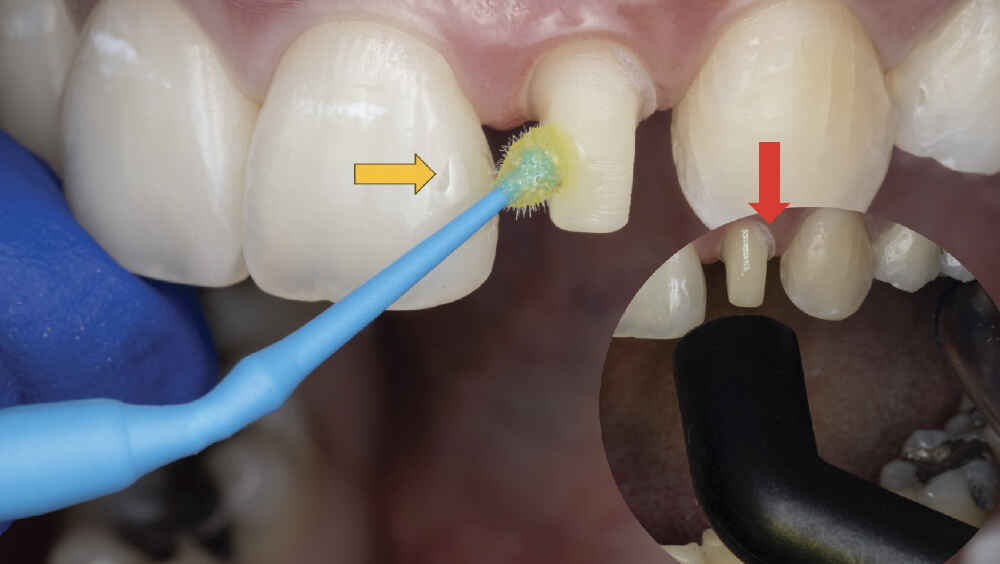
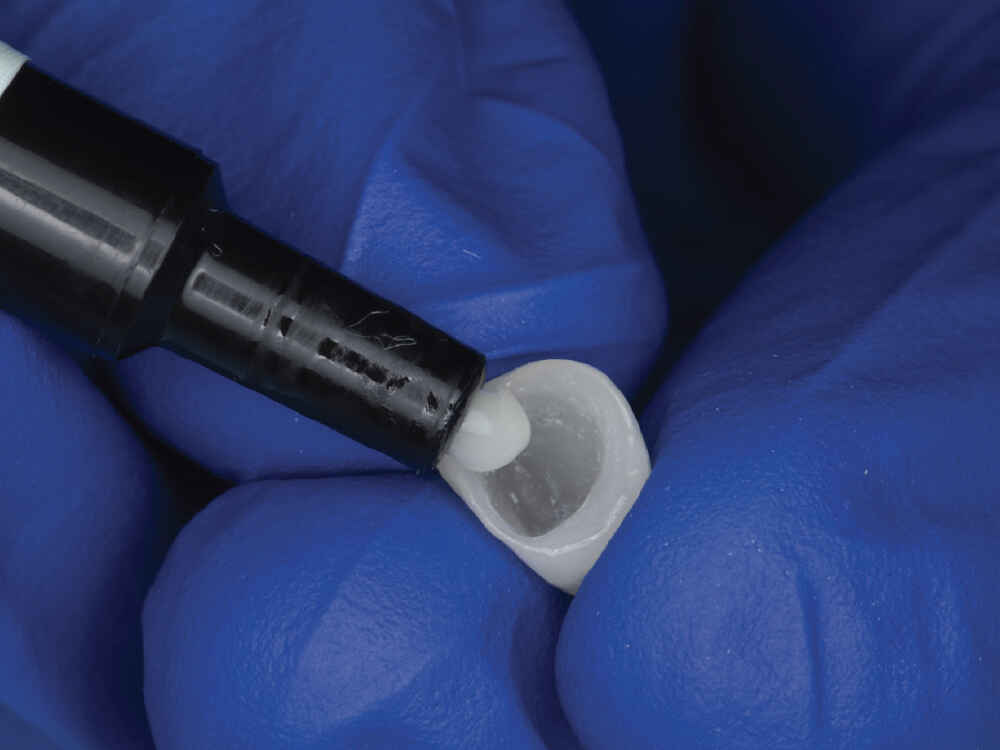
5. Posizionare il 10-MDP nel punto corretto
Scegli un percorso convalidato:
Primer a base di zirconia contenente MDP più cemento resinoso compatibile
Adesivo universale contenente MDP più cemento resinoso compatibile
Cemento resinoso autoadesivo contenente MDP approvato senza bisogno di un primer separato
La fonte 10-MDP dovrebbe essere intenzionale, non accidentale.
6. Seguire separatamente il protocollo “Tooth-Side”
Il lato del restauro e il lato del dente sono substrati diversi.
Lo smalto, la dentina, il materiale di rinforzo, il metallo, il composito e gli abutment implantari possono richiedere un trattamento preliminare diverso. Non si deve dare per scontato che, poiché un cemento aderisce alla zirconia, garantisca automaticamente il miglior legame possibile su ogni superficie di preparazione senza un trattamento aggiuntivo.
E non confondete la scelta del materiale con quella del sistema di adesione. Nei casi di restauri misti, la nostra guida a Piani di restauro combinati con E.max e zirconia spiega perché le protesi in disilicato di litio e quelle in zirconia possano richiedere protocolli di intaglio completamente diversi.
Stesso paziente.
Una chimica diversa.
Gli errori che verificherei per primi
Quando una corona in zirconia si stacca, la marca del primer non è la prima cosa che mi viene in mente.
Vorrei approfondire:
Altezza di preparazione e convergenza
Se l'intaglio sia stato realizzato mediante sabbiatura ad aria e da chi
Contaminazione da saliva dopo la prova
Metodo di pulizia
Se l'MDP fosse presente nel primer, nell'adesivo o nel cemento
Se tali prodotti fossero stati approvati per l'uso combinato
Tempo di permanenza del primer ed evaporazione del solvente
Contaminazione della superficie dentale
Tempo di lavorabilità del cemento e tempo di presa
Carico occlusale e parafunzioni
Il malfunzionamento potrebbe essere iniziato prima ancora che il flacone di primer venisse aperto.
Ecco perché un laboratorio odontotecnico dovrebbe registrare, insieme al caso, l’identificazione del materiale, il trattamento di intaglio e lo stato della superficie. Ed è per questo che lo studio dovrebbe registrare i prodotti di cementazione effettivamente utilizzati, anziché limitarsi a scrivere “cemento resinoso” nella cartella clinica.
Dati generici portano a conclusioni generiche.
Domande frequenti
Quando è opportuno utilizzare il primer MDP per la cementazione delle corone in zirconia?
Il primer MDP deve essere utilizzato quando una corona in zirconia richiede un fissaggio adesivo con resina, l’intaglio è stato adeguatamente pulito e condizionato meccanicamente ove indicato, e il cemento resinoso selezionato non fornisce già una concentrazione di 10-MDP all’interfaccia con la zirconia convalidata dal produttore.
È particolarmente indicato per preparazioni corte, eccessivamente affusolate, con ritenzione minima, a copertura parziale e incollate con resina.
È necessario utilizzare un primer a base di MDP quando il cemento resinoso contiene già MDP?
Non è necessariamente richiesto l’uso di un primer MDP separato quando il cemento resinoso autoadesivo o adesivo selezionato contiene già una quantità efficace di 10-MDP e il suo produttore ne approva l’uso diretto su zirconia trattata; l’aggiunta di un altro primer potrebbe risultare superflua, dipendere dal sistema utilizzato o essere incompatibile, anziché rappresentare automaticamente un vantaggio.
Controlla le istruzioni specifiche del cemento, invece di affidarti alle diciture “universale” o “autoadesivo”.”
La zirconia può essere incisa con acido fosforico o fluoridrico?
La zirconia non può essere preparata in modo prevedibile con i tradizionali trattamenti a base di acido fluoridrico e silano, poiché si tratta di una ceramica ossidica policristallina priva della fase vetrosa ricca di silice presente nel disilicato di litio; inoltre, l’acido fosforico non è un detergente universale per la zirconia e può lasciare tracce di fosfati che interferiscono con l’adesione dell’MDP.
Utilizzare il metodo di pulizia e condizionamento approvato dai produttori di zirconia e cemento.
La zirconia deve essere sempre sottoposta a sabbiatura prima della cementazione?
La zirconia deve essere sottoposta a sabbiatura ad aria prima della cementazione adesiva solo se specificato dai produttori del restauro e del cemento, utilizzando le dimensioni delle particelle di ossido di alluminio, la pressione, la distanza e la durata da loro indicate; la cementazione convenzionale, le superfici precedentemente trattate, i restauri sottili o i margini delicati potrebbero richiedere un approccio diverso.
Ripetere ciecamente i test di abrasione in laboratorio non costituisce un sistema di controllo della qualità.
Qual è il miglior primer per le corone in zirconia?
Il miglior primer per zirconia è un prodotto contenente MDP che sia stato validato con il cemento resinoso, il materiale da restauro, l’adesivo dentale e il metodo di polimerizzazione scelti; la compatibilità del prodotto e la corretta preparazione della superficie sono più importanti della scelta di un primer solo perché pubblicizzato come avente un’elevata concentrazione di MDP.
Un sistema completo supportato dal produttore è solitamente più facile da proteggere rispetto a un insieme di contenitori non correlati tra loro.
Cosa bisogna fare quando la saliva entra in contatto con una corona in zirconia?
Una corona in zirconia contaminata dalla saliva deve essere pulita con il detergente per restauri o secondo la procedura di decontaminazione specificata dai produttori della zirconia e del cemento, risciacquata accuratamente e asciugata, e solo successivamente trattata con il primer MDP o con un sistema di adesione contenente MDP, qualora il protocollo lo richieda.
L'applicazione del primer direttamente sulla superficie contaminata non garantisce il ripristino dell'interfaccia prevista.
Preparare il piano di cementazione prima dell'arrivo della corona
Non prendere la decisione relativa all’MDP mentre il paziente è sotto anestesia e la corona è a contatto con la saliva su un vassoio di prova.
Prima dell’appuntamento, documentare l’altezza della preparazione, la conicità, il materiale da restauro, la formulazione della zirconia, il trattamento dell’intaglio, la famiglia di cementi prevista, il metodo di pulizia e la provenienza del 10-MDP. Successivamente, abbinare tali variabili alle istruzioni attuali relative ai prodotti specifici che verranno utilizzati.
Nel caso di una protesi in zirconia che richieda una documentazione più dettagliata sui materiali, un resoconto sulle condizioni della superficie o il coordinamento con il laboratorio, Contatta Artist Dental Lab e inviare, insieme alla prescrizione, le scansioni digitali, i dettagli relativi alla preparazione, le note occlusali, le informazioni sul colore e la strategia di cementazione prevista.
Potrebbe essere necessario un manuale introduttivo a parte.