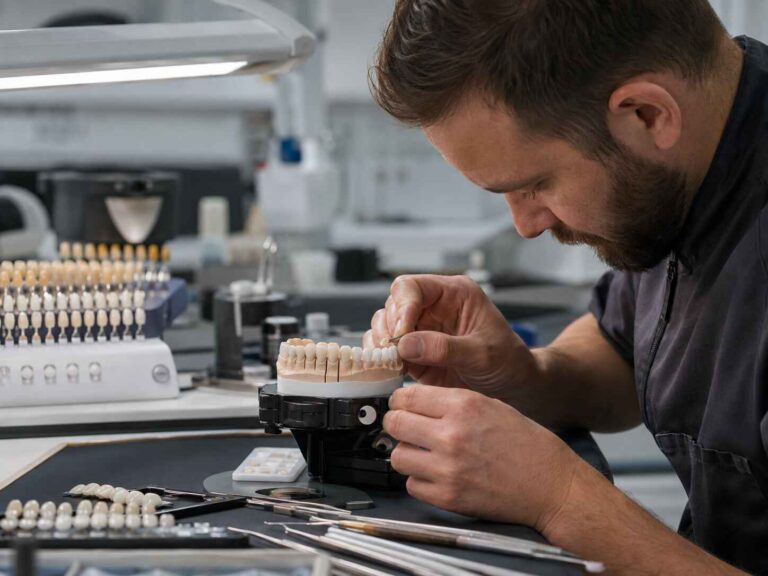
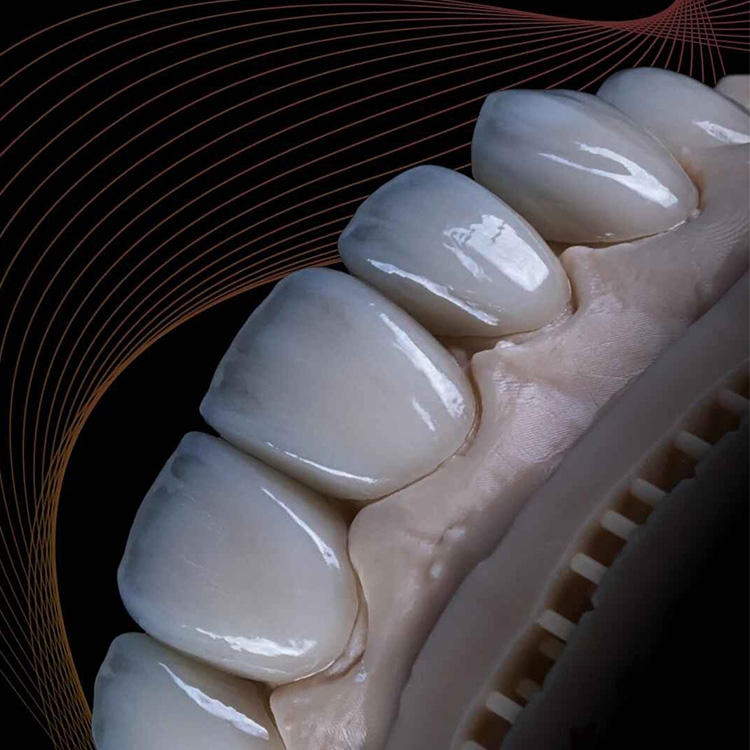
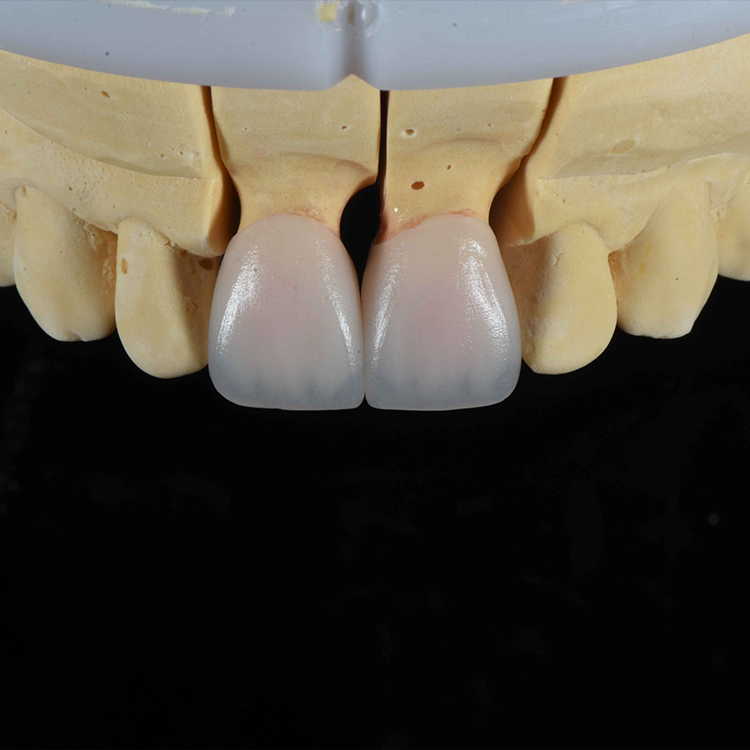
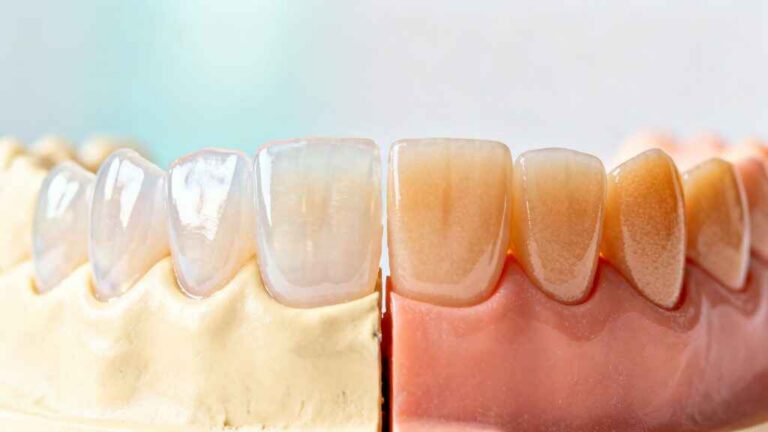
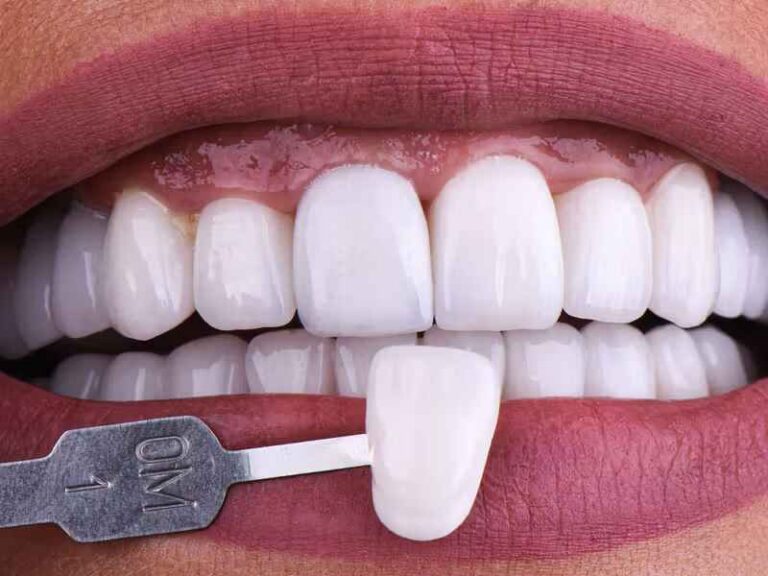
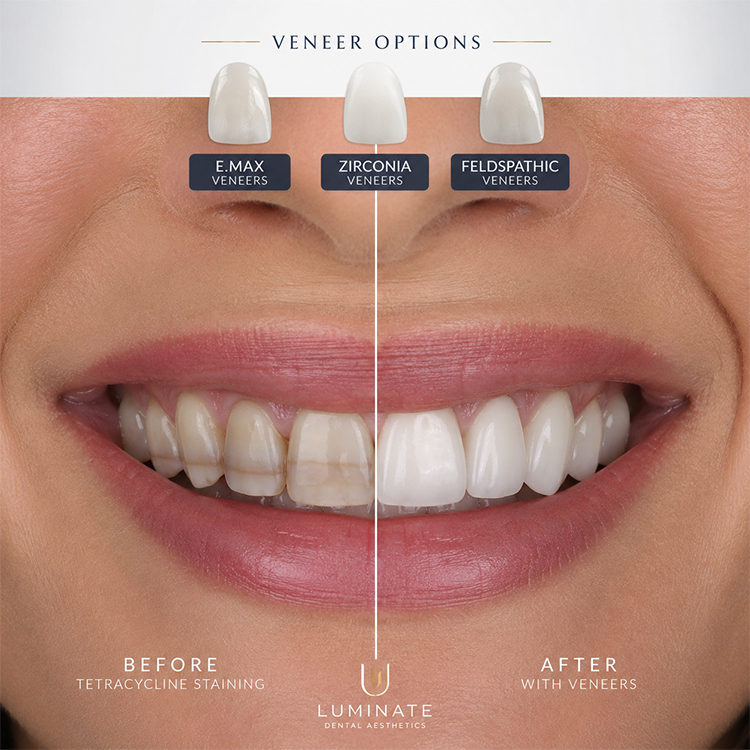
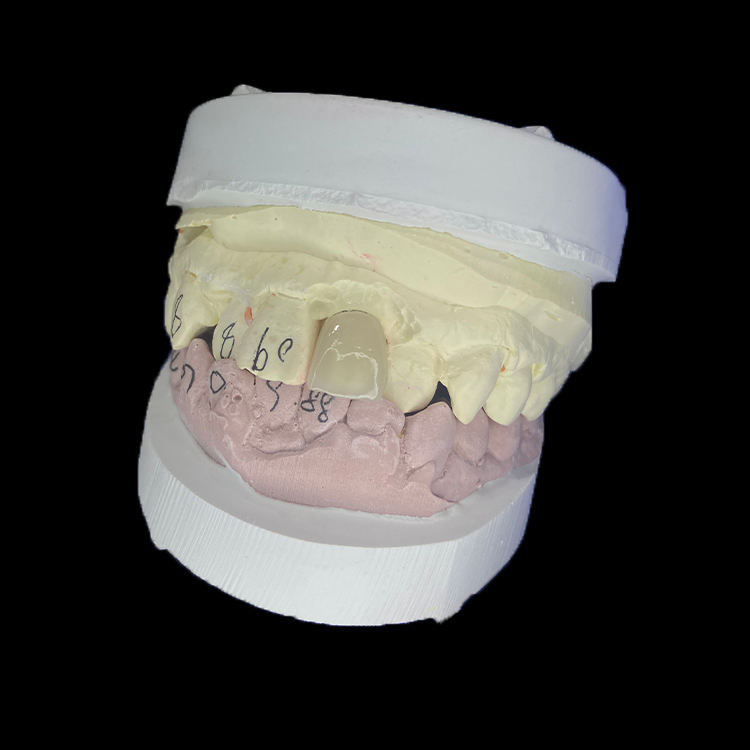
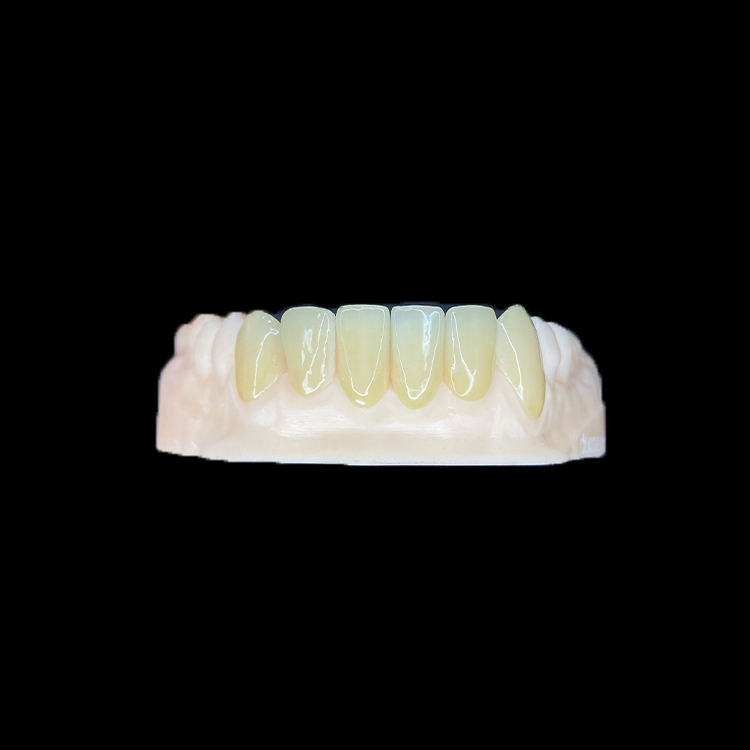
Tetracycline-stained teeth veneers are not a simple beauty purchase. The real decision sits at the intersection of masking power, enamel bonding, stump shade, ceramic thickness, cement value, occlusion, and whether the lab can control the final result under ugly clinical conditions.

The best veneer material for minimally prepared anterior cases is not the strongest ceramic. It is the material that protects enamel, controls value, bonds predictably, and does not force the dentist or lab to lie about thickness.

Multi veneer cases do not fail because the dentist “missed beauty.” They fail because the midline was not owned early, the symmetry was judged too late, and the lab received poetry instead of usable data.

E.max, zirconia, and feldspathic veneers are not interchangeable “premium” options. They are different risk profiles. This guide explains when each anterior veneer material makes sense, when it fails, and why case selection matters more than brand loyalty.

Most clinics talk about E.max veneers like a status symbol. I don’t. Full E.max veneers are a consistency-first treatment built for clinics that can control prep, shade, photography, bonding, and multi-unit workflow. Here’s my hard take on which practices should own the category, which ones should not, and what Artist Dental Lab’s own site structure quietly reveals.

Layered E.max veneers can deliver elite anterior optics, but the premium only pays off when prep design, stump shade, photography, and lab communication are all under control. Here is the blunt version most sales pages avoid.

Most dentists hear “E.max” and think material. I think workflow. Full E.max and layered E.max can both look excellent, but they fail in different ways, reward different habits, and belong in different cases.