Which Veneer Material Is Best for Minimally Prepared Anterior Cases?
The Ugly Truth: “Best Veneer Material” Is Usually the Wrong Question
I’ll say the quiet part first: most veneer material debates are marketing with a handpiece attached.
Enamel buys time.
When I look at minimally prepared anterior cases, I am not asking which dental veneer material has the flashiest brand name, the highest flexural-strength number, or the prettiest Instagram try-in; I am asking how much enamel remains, whether the stump shade is friendly or hostile, how thin the restoration must be, and whether the lab has enough clinical information to stop guessing. Why pretend this is only about ceramic?
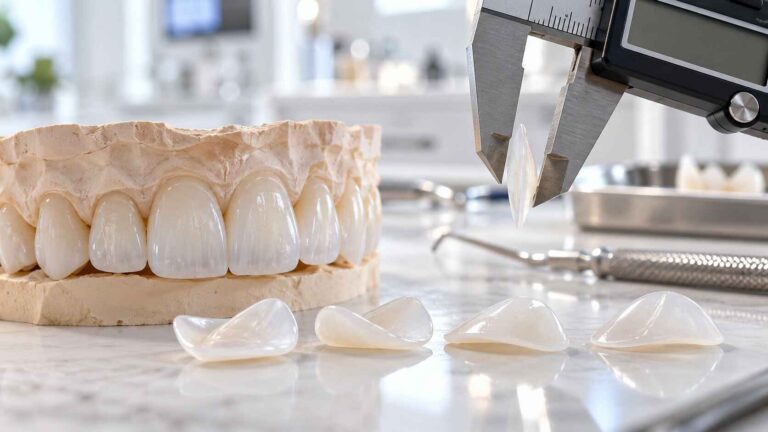
For minimally prepared veneers, feldspathic porcelain often gives the most natural enamel-like result when the case is thin, bright, and enamel-rich. Lithium disilicate veneers, especially E.max-type restorations, are the safer everyday workhorse when strength, fit consistency, and shade control matter. Zirconia? Useful, but not my first call for conservative anterior veneers unless function starts threatening the case.
That is the hard truth.
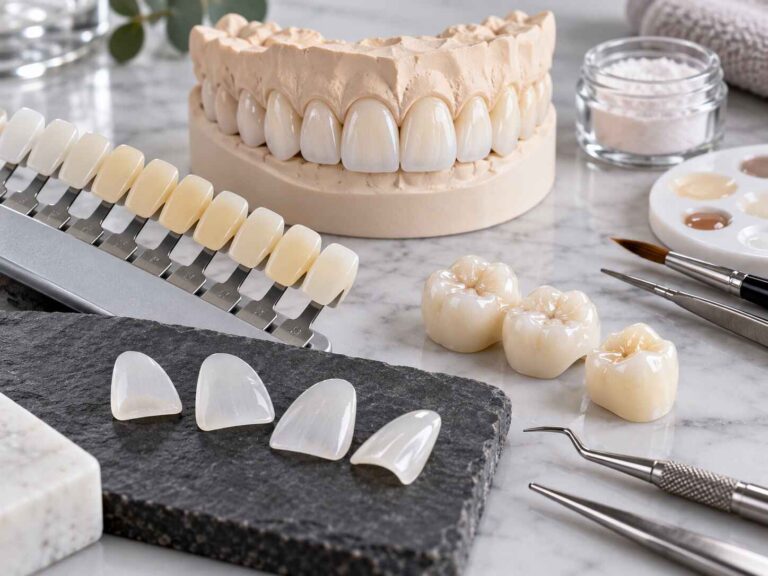
The best veneer material for minimally prepared anterior cases is usually feldspathic porcelain for elite enamel-mimicking esthetics or lithium disilicate for more forgiving strength and workflow control. The winner depends on preparation depth, enamel bonding, stump shade, occlusion, and the number of units.
Table of Contents
The Evidence Dentists Should Stop Ignoring
The strongest data point in minimally prepared veneers is not “E.max vs feldspathic.” It is enamel versus dentin.
A 2021 clinical study in the Journal of Prosthodontic Research followed minimally invasive ceramic restorations, including 137 veneers and 46 no-preparation veneers made from lithium disilicate, and reported a 94% success level after 360 days; the authors tied early failures to noncompliance with clinical protocol rather than operator experience alone. That matters because it attacks a myth: skill helps, but protocol sloppiness still wins if you let it.
A PubMed-indexed 10-year retrospective study of 364 lithium disilicate laminate veneers placed in 41 patients reported a 97.4% survival rate after 10 years, with complications in 1.64% of restorations. That is why I do not sneer at lithium disilicate. It is not always the most beautiful ceramic, but it is a reliable adult in the room. See the PubMed record on lithium disilicate veneer survival.
And the enamel issue? A 2024 review on ceramic veneers reported that enamel-bonded veneers had survival around 99%, while severe dentin exposure lowered survival and success rates. I do not need a sales rep to explain that. Bonding substrate is the case.
So when someone says, “What is the best veneer material for anterior teeth?” my answer is blunt: show me the prep first.
Feldspathic Porcelain: Still the Beauty King, But Not for Lazy Cases
Feldspathic porcelain is the material I trust when the case is conservative, enamel-supported, and visually unforgiving.
Thin matters.
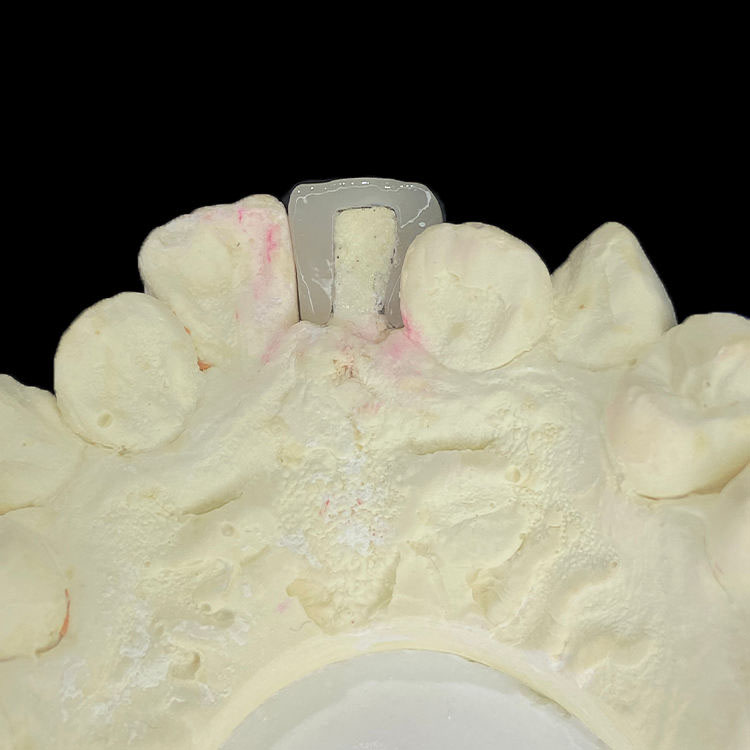
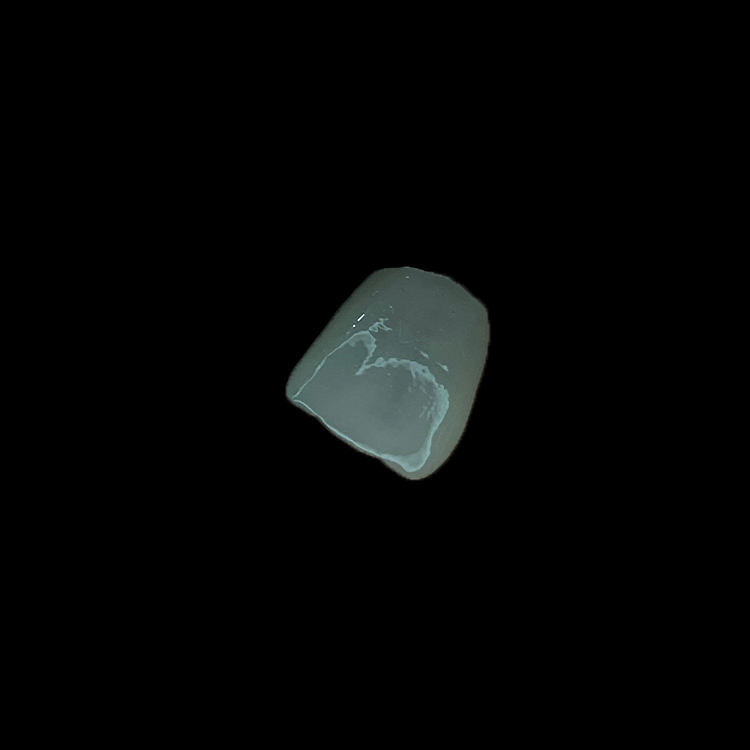
A well-made feldspathic veneer can live in that delicate 0.3–0.5 mm conversation where value, translucency, halo, internal character, and surface texture are not “extras” but the whole point of the restoration. This is why Artist Dental Lab positions its feldspathic veneer service around enamel-like translucency, micro-texture, minimal-prep cosmetic cases, complex shade blending, and delicate incisal effects.
But feldspathic is not magic dust.
It is technique-sensitive. It asks for clean margins, enamel support, excellent photos, controlled reduction, and a dentist who understands that “minimal prep” is not the same thing as “no planning.” If the tooth is dark, the prep is uneven, or the occlusion is ugly, feldspathic can become a fragile little sculpture pretending to be a restoration.
My opinion: feldspathic porcelain is the best veneer material for minimally prepared anterior cases only when the case deserves it.
That means:
High enamel preservation
Friendly stump shade
Low functional risk
High smile-line demand
Single-unit blending or refined anterior esthetics
Dentist and lab communicating with photos, stump shade, reduction map, and clear value target
If any of those are missing, the “best” material can become the fastest remake.
Lithium Disilicate Veneers: The Workhorse That Wins More Cases Than It Should
Lithium disilicate veneers are not romantic. Good.
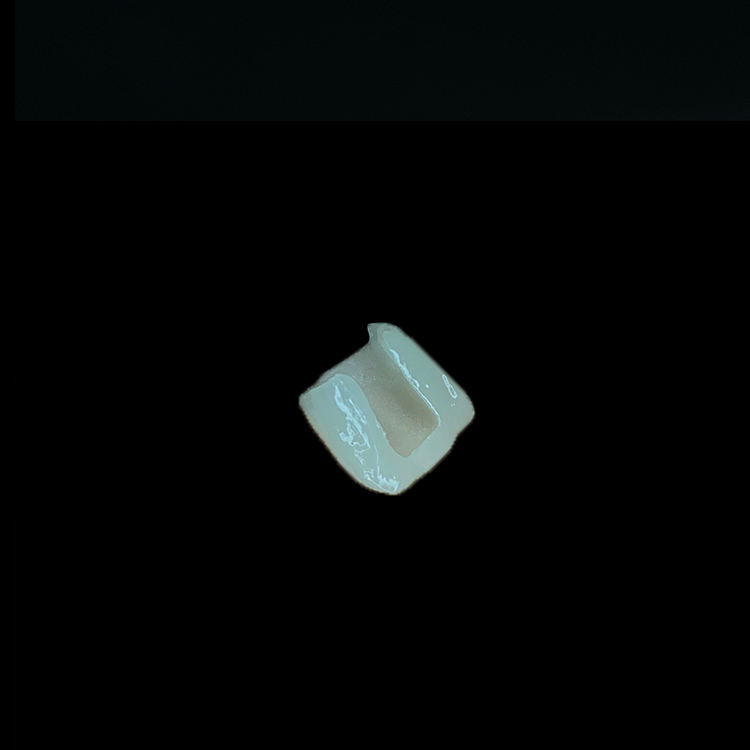
For many minimally prepared anterior cases, lithium disilicate is the rational default because it gives the clinician a better mix of strength, translucency, bonding predictability, and repeatable CAD/CAM or press workflow. Artist Dental Lab’s E.max veneer workflow is built around lithium disilicate ceramic, conservative veneer cases, single-to-multi-unit smile enhancement, shade photos, stump shade, margin notes, and predictable fit.
That is exactly how it should be sold.
IPS e.max CAD, one common lithium disilicate reference point, is listed by Ivoclar with 530 MPa flexural strength and 2.11 MPa·m¹/² fracture toughness, while also offering multiple translucency levels for shade control. Those numbers do not excuse bad bonding. They simply explain why lithium disilicate became the safe middle ground between fragile beauty and overbuilt strength. Check Ivoclar’s IPS e.max CAD material data.
For multi-unit anterior veneers, I often prefer full-contour or carefully cut-back lithium disilicate over feldspathic if the case needs consistency from canine to canine. The Full E.max Veneer page frames monolithic lithium disilicate around predictable fit, consistent strength, and streamlined cosmetic workflows, which is not glamorous language, but it is clinically useful language.
And when the case needs more vitality, the layered E.max veneer option adds porcelain layering over a lithium disilicate core for depth, halo, internal characterization, and refined incisal effects. That can look outstanding. It can also introduce more human variability.
There is the trade.
Zirconia Veneers: Strong, Useful, and Over-Prescribed in Anterior Esthetics
Zirconia has a place. But I get suspicious when it is pitched as the universal answer for anterior veneers.
Strength sells.
In minimally prepared anterior cases, the problem is that strength alone does not solve translucency, bonding protocol, margin thickness, stump shade, or enamel-like light behavior. Zirconia veneers can be smart when functional risk is real, fracture resistance is a priority, or masking demand is stronger than the need for delicate glass-ceramic optics.
Artist Dental Lab’s zirconia veneer workflow describes zirconia veneers as high-strength, monolithic, durability-focused restorations for demanding functional cosmetic cases. That framing is honest. It does not pretend zirconia is feldspathic porcelain with bigger muscles.
For minimally prepared anterior veneers, I would not reach for zirconia first in a thin, enamel-rich, high-translucency case. I would consider it when the patient has stronger functional demand, limited restorative space with risk, or an esthetic target that can tolerate a different optical behavior.
But calling zirconia the best veneer material for minimally prepared anterior cases? Too broad. Too easy. Too sales-friendly.
The Material Selection Table I Would Actually Use
Case Factor
Feldspathic Porcelain Veneers
Lithium Disilicate / E.max Veneers
Layered E.max Veneers
Zirconia Veneers
Best use
Minimal-prep, enamel-rich anterior cases with high esthetic demand
Routine-to-premium anterior veneers needing strength and repeatability
Premium anterior cases needing depth, halo, and refined incisal effects
Overconfidence; still fails with bad bonding or prep
Shade drift, layering variability, space demands
Overuse in cases needing enamel-like translucency
My blunt verdict
Best beauty material for the right minimal-prep case
Best everyday material for many anterior veneer cases
Best premium compromise when records are excellent
Best when function threatens the case
My Practical Rule: Match the Risk, Not the Brand
Here is how I would call it in a real case meeting.
Pick Feldspathic When the Tooth Still Looks Like a Tooth
Use feldspathic porcelain when the anterior tooth is lightly prepared, the enamel is abundant, the stump shade is not fighting you, and the patient wants invisible esthetics rather than just a whiter smile. This is the material for subtle shape correction, diastema closure, edge refinement, and premium single-unit blending.
But do not use feldspathic to hide poor prep planning.
Pick E.max When the Case Needs Strength Without Looking Industrial
Use lithium disilicate veneers when the case spans several anterior teeth, when consistency matters, when the patient wants a durable cosmetic result, or when the dentist wants a more forgiving ceramic system. In my view, E.max-type veneers often win because they are less dependent on heroic artistry.
That sounds unromantic. It is also why they survive.
Pick Layered E.max When the Photos Are Excellent and the Budget Allows Precision
Layered E.max can be beautiful in the right hands. A lithium disilicate core plus porcelain layering gives the technician more room to build depth, incisal translucency, halo effects, and surface vitality.
But weak records kill layered cases.
If the lab receives poor photos, vague shade notes, no stump shade, and no smile-line context, layering becomes guesswork with a premium label.
Pick Zirconia When Function Starts Making Threats
Zirconia veneers belong in the conversation when functional risk is not theoretical: parafunction, edge loading, limited space, or durability demands that make glass ceramics feel exposed.
I would still document the compromise. Zirconia may win the mechanical argument while losing some of the optical softness that anterior veneers often need.
The Records Matter More Than the Ceramic
Want fewer remakes? Send better information.
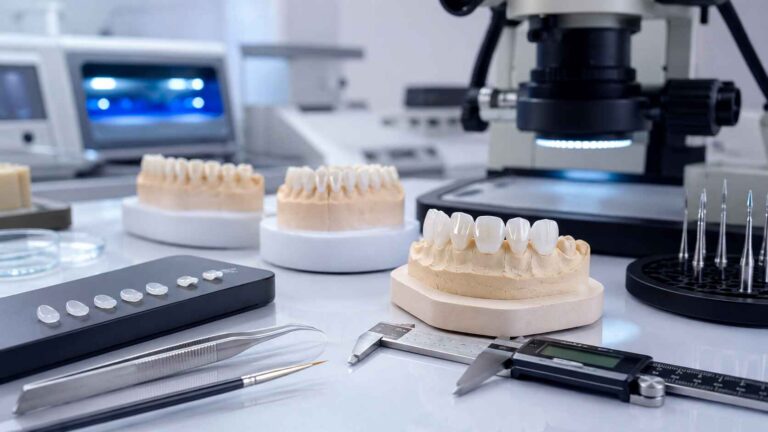
For B2B workflows, the boring case data is where money gets saved: STL scans, opposing arch, bite, stump shade, retracted photos, full-face smile photos, margin notes, desired value, translucency target, texture reference, and occlusion notes. Artist Dental Lab’s product pages repeatedly ask for these inputs across E.max, feldspathic, layered E.max, and zirconia workflows, which tells me the site understands a basic lab truth: material selection without records is theater.
For clinics, DSOs, and distributors building repeatable workflows, the OEM/ODM dental restoration service is also relevant because it lets partners define case acceptance rules, margin preferences, contact standards, shade strategy, QC checkpoints, packaging, and documentation rules. That matters if veneer cases are not one-off boutique work but part of a repeatable production system.
Small detail?
No. That is the difference between “pretty sample case” and “scalable anterior program.”
FAQs
What is the best veneer material for minimally prepared anterior cases?
The best veneer material for minimally prepared anterior cases is usually feldspathic porcelain when enamel is abundant and esthetics are the top priority, while lithium disilicate is often the safer all-around choice when the case needs more strength, shade control, and repeatable lab workflow.
In plain language: feldspathic wins the beauty contest in selective cases; E.max-type lithium disilicate wins more everyday cases because it gives clinicians a wider safety margin.
Are lithium disilicate veneers better than feldspathic porcelain veneers?
Lithium disilicate veneers are better than feldspathic porcelain veneers when the case needs higher strength, multi-unit consistency, and more forgiving production control, but feldspathic porcelain can look more natural in ultra-conservative anterior cases with excellent enamel support and friendly stump shade.
I would not call either one universally better. I would call lithium disilicate more practical and feldspathic more demanding.
Are feldspathic veneers good for minimal-prep cases?
Feldspathic veneers are excellent for minimal-prep cases because they can be fabricated very thin while preserving enamel-like translucency, surface texture, incisal effects, and natural light behavior, but they require strong enamel bonding, careful case selection, precise preparation, and high-quality lab communication.
The danger is not feldspathic porcelain itself. The danger is using it as a luxury label on a poorly controlled case.
When should zirconia veneers be used on anterior teeth?
Zirconia veneers should be used on anterior teeth when durability, fracture resistance, or functional risk outweighs the need for maximum glass-ceramic translucency, especially in cases involving stronger bite forces, parafunction, limited space, or masking demands that make feldspathic or thin lithium disilicate riskier.
For conservative anterior esthetics, zirconia is not my first instinct. It is my escalation material.
Do no-prep veneers last as long as minimally prepared veneers?
No-prep veneers can last well in carefully selected enamel-rich cases, but they are not automatically safer or better than minimally prepared veneers because overcontour, poor emergence profile, shade mismatch, and bonding limitations can still compromise the result if the tooth position and case design are wrong.
“No prep” sounds conservative. Sometimes it is. Sometimes it is just under-planned dentistry with a nicer name.
What records should a dentist send before choosing veneer material?
A dentist should send STL or IOS scans, opposing arch, bite record, stump shade, final shade target, retracted photos, full-face smile photos, margin notes, preparation design, occlusion notes, and patient esthetic expectations before the lab recommends feldspathic, E.max, layered E.max, or zirconia veneers.
Without those records, the material recommendation is a guess wearing a lab coat.
Final Thoughts: Choose the Veneer Material After the Case Tells the Truth
Here is my strong opinion: for minimally prepared anterior cases, feldspathic porcelain is the best esthetic material, but lithium disilicate is the best practical material for more clinicians, more often.
Your next step is simple: send the lab a real case file, not a vague prescription. Include STL scans, stump shade, smile photos, margin notes, occlusion details, and the exact esthetic target. Then ask for a material recommendation based on the case, not a brand preference.