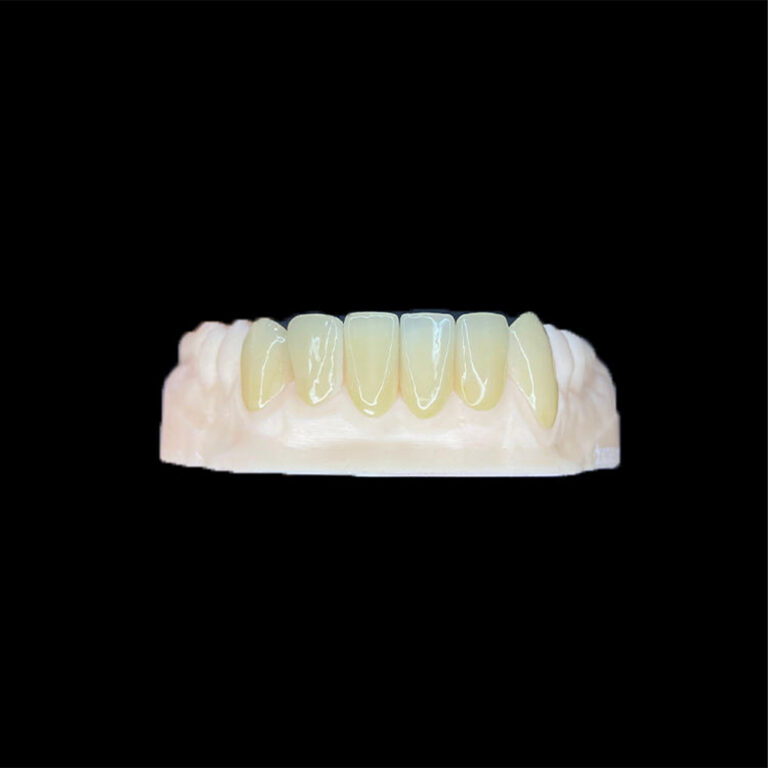
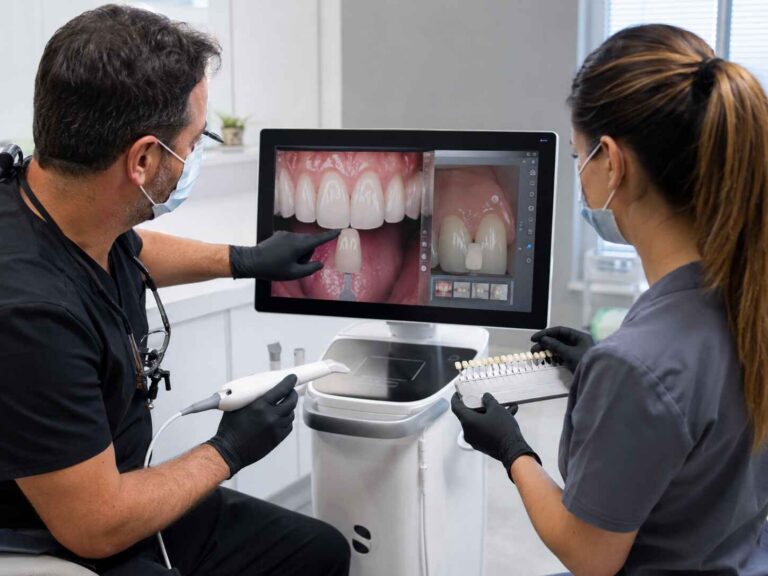
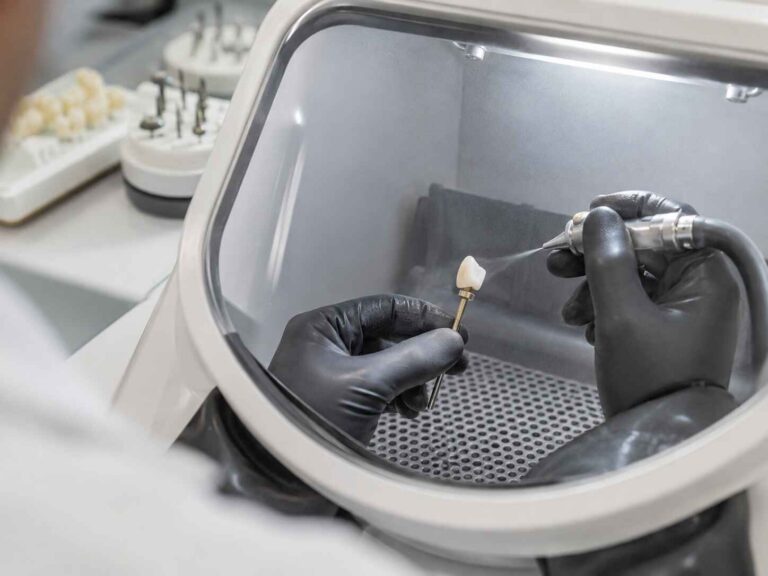
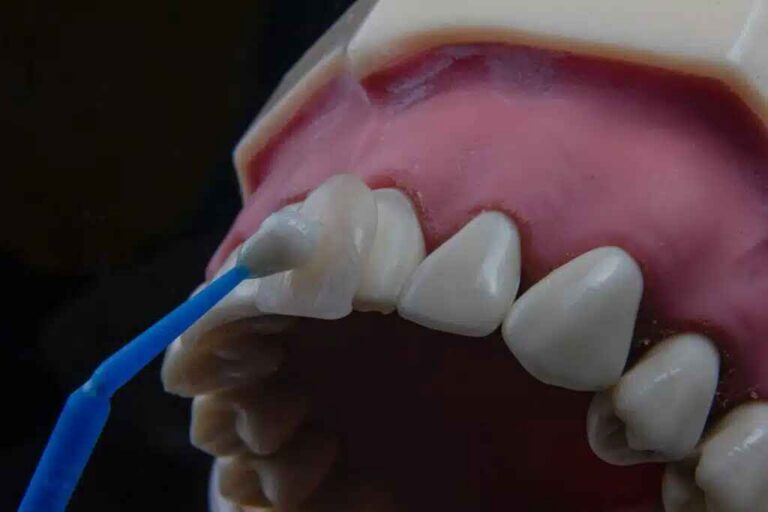
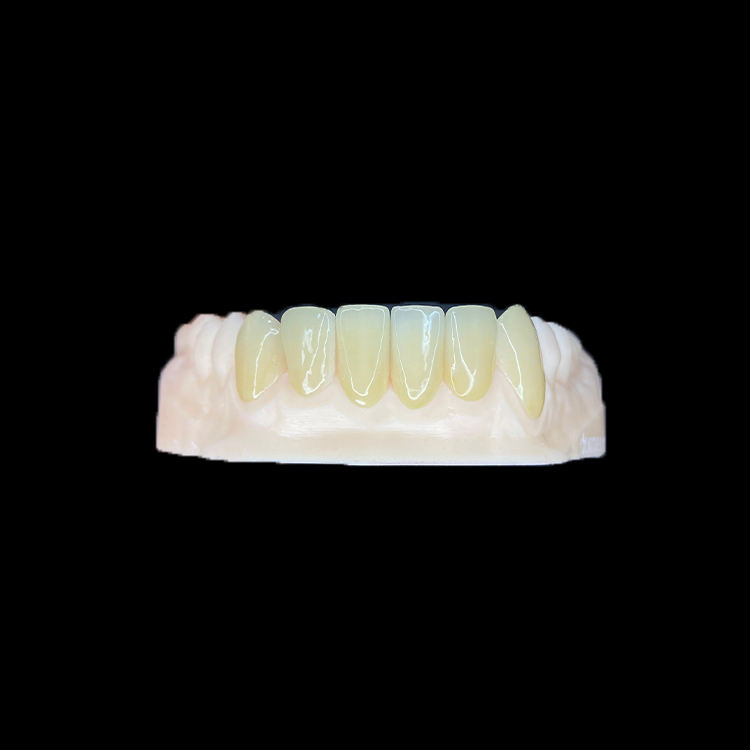
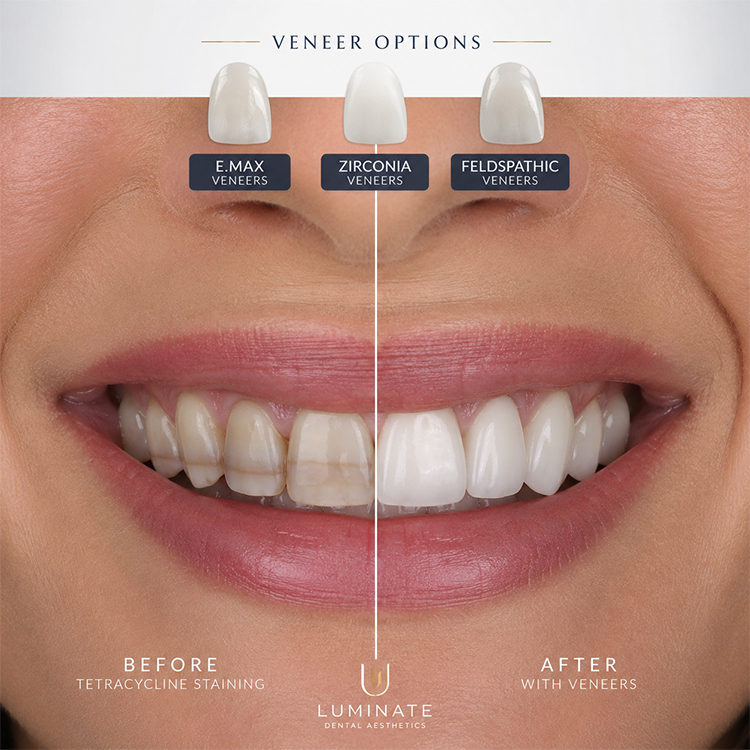
Tetracycline-stained teeth veneers are not a simple beauty purchase. The real decision sits at the intersection of masking power, enamel bonding, stump shade, ceramic thickness, cement value, occlusion, and whether the lab can control the final result under ugly clinical conditions.

The best veneer material for minimally prepared anterior cases is not the strongest ceramic. It is the material that protects enamel, controls value, bonds predictably, and does not force the dentist or lab to lie about thickness.

E.max, zirconia, and feldspathic veneers are not interchangeable “premium” options. They are different risk profiles. This guide explains when each anterior veneer material makes sense, when it fails, and why case selection matters more than brand loyalty.