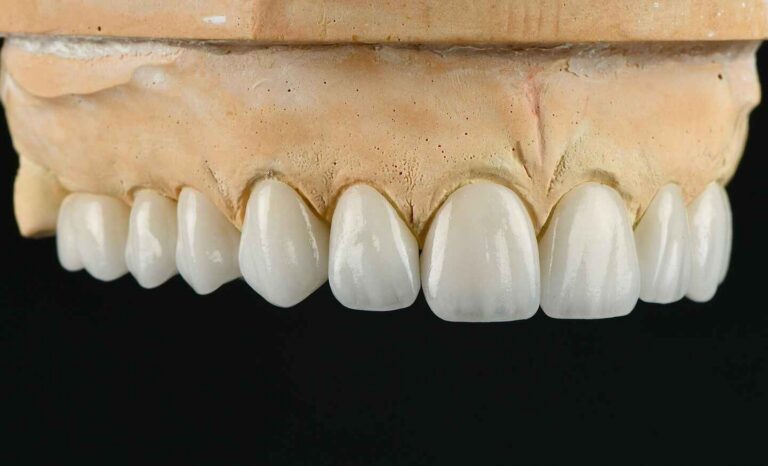
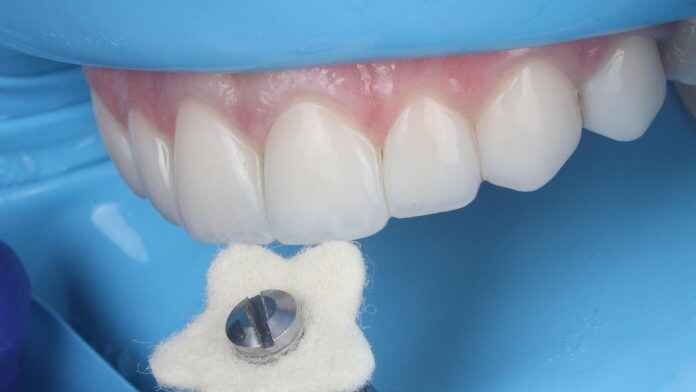
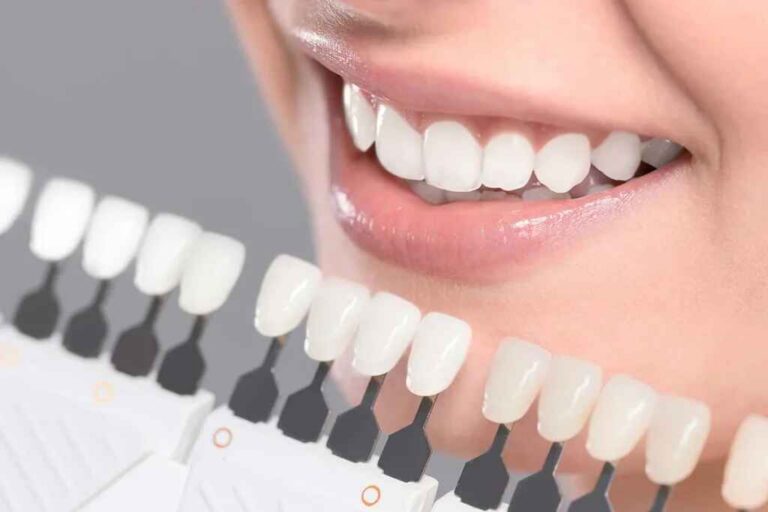
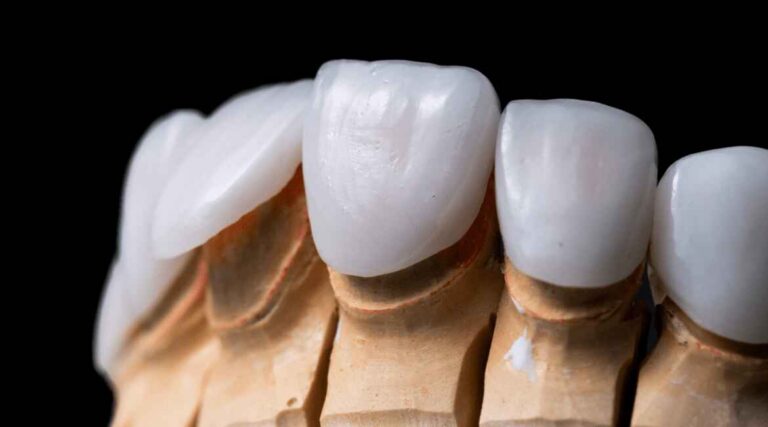
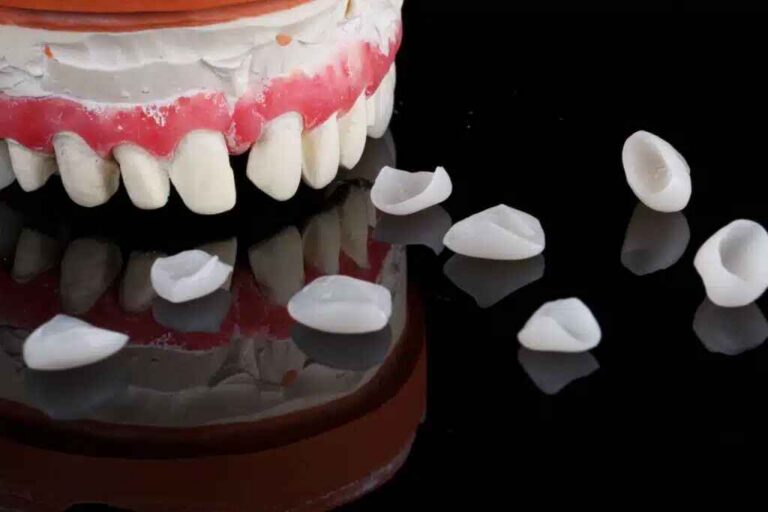
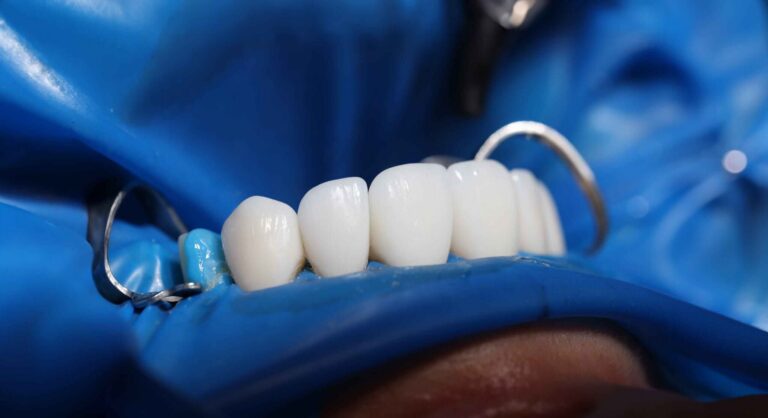
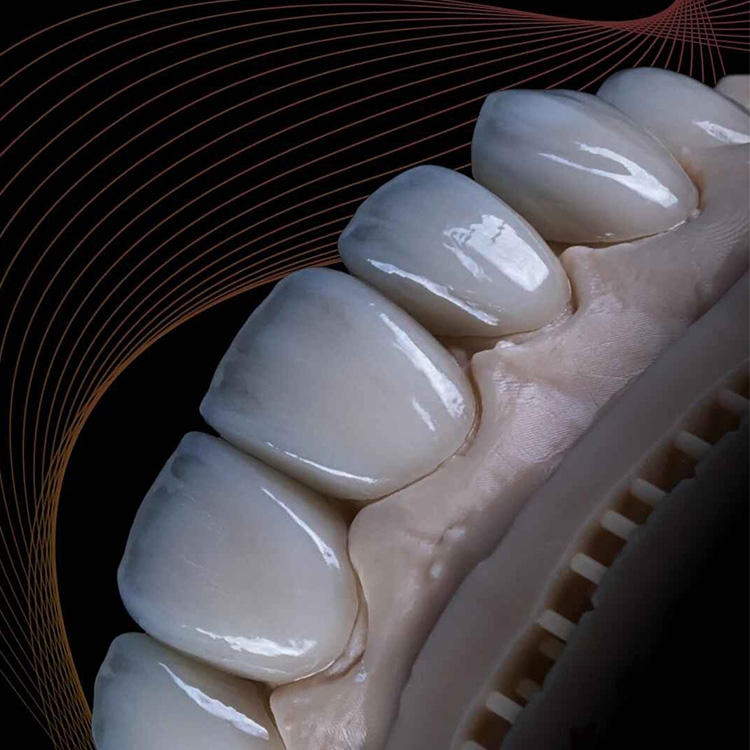
E.max, zirconia, and feldspathic veneers are not interchangeable “premium” options. They are different risk profiles. This guide explains when each anterior veneer material makes sense, when it fails, and why case selection matters more than brand loyalty.

Most E.max veneer failures are not material failures. They are protocol failures. Here is the standard bonding sequence for lithium disilicate veneers, the evidence behind it, and the hard truths many clinics still avoid.

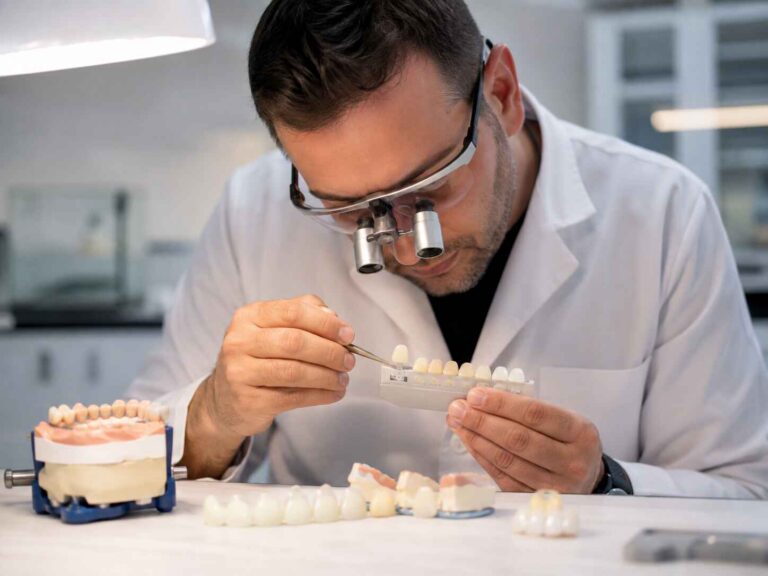
Premium anterior esthetics is not about pretty photos. It is about material judgment, shade discipline, documentation, remake control, and whether a lab can prove it knows when to use feldspathic porcelain, layered E.max, monolithic E.max, or layered zirconia.

Most clinics talk about E.max veneers like a status symbol. I don’t. Full E.max veneers are a consistency-first treatment built for clinics that can control prep, shade, photography, bonding, and multi-unit workflow. Here’s my hard take on which practices should own the category, which ones should not, and what Artist Dental Lab’s own site structure quietly reveals.

I have seen too many “beautiful” E.max crowns turn ugly the second they reach the mouth. Not because lithium disilicate failed. Because the case data did. Here is the blunt workflow I trust when I want less grinding, fewer remakes, and a crown that seats like it was supposed to from the start.

Most dentists talk about zirconia crowns vs e.max crowns like it is a simple strength-versus-esthetics argument. I do not. The real split shows up at the finish line, where preparation geometry, ceramic thickness, marginal adaptation, cementation logic, and remake risk all collide.

Most E.max sales copy still hides behind “minimal prep.” I would not. Buyers need a number, a condition, and a warning label: 1.0 mm is not the default story, and pretending it is can turn a pretty lithium disilicate case into an expensive remake.

Eight is not a magic number. In many cases, 6 veneers create a more believable result because the visible smile zone ends at the canines, not the first premolars. I’ll show you where the industry keeps overselling 8, what the literature says about smile display and veneer survival, and how material choice changes everything.

Layered E.max veneers can deliver elite anterior optics, but the premium only pays off when prep design, stump shade, photography, and lab communication are all under control. Here is the blunt version most sales pages avoid.

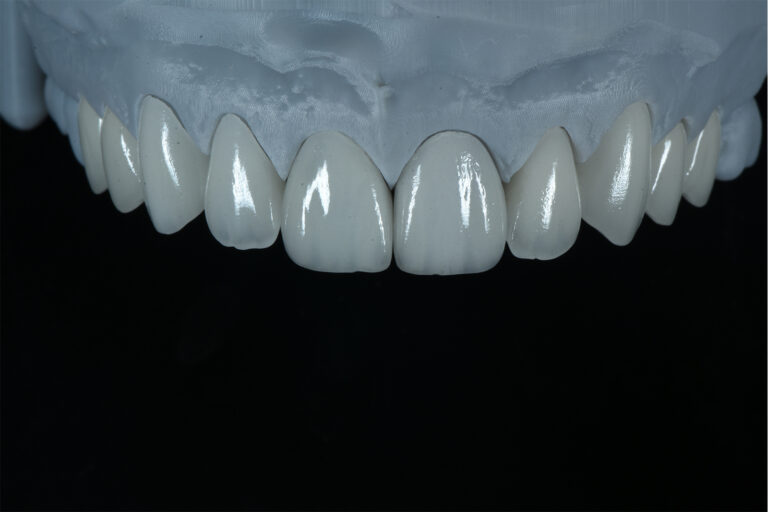
Layered E.max is not the universal successor to feldspathic porcelain. It is a smarter compromise in many cases, but feldspathic still owns a narrow, real optical edge that high-end anterior work can expose fast.

Most clinicians frame this as an esthetics question. I don’t. The real line between E.max veneers and E.max crowns is biological first, mechanical second, and only then cosmetic.

Most veneer articles dodge the ugly question: what happens when the stump is so dark that translucency becomes a liability? I don’t dodge it. For most dark stump cases, monolithic or low-translucency lithium disilicate is the best overall answer, while feldspathic becomes selective and zirconia stays a niche tool.